What Documents Do You Need for a 5 Hour Class in NY?
Picture this: you’re scrolling through your phone at 2 AM (we’ve all been there), and suddenly you remember – *that thing* your friend mentioned about the 5 hour class. You know, the one you need for your driver’s license? Your stomach does that familiar flip because tomorrow’s Saturday, you’ve got plans with your cousin who’s visiting from Buffalo, and you were hoping to maybe… possibly… squeeze in that class before the DMV closes on Monday.
But wait. What exactly do you need to bring?
Your mind starts racing through the usual suspects – birth certificate, social security card, that crumpled piece of mail you’ve been using as proof of address for the past three years. Actually, is that even valid anymore? And where *is* your social security card, anyway? Last time you saw it was… was it when you opened that bank account? Or maybe when you got your passport two summers ago?
Sound familiar? You’re definitely not alone.
Here’s the thing about New York’s 5 hour pre-licensing course – it’s one of those bureaucratic necessities that somehow manages to be both straightforward and confusing at the same time. The class itself? Pretty manageable. You’ll learn about defensive driving, road signs, and probably hear some stories about parallel parking disasters that’ll make you feel better about your own attempts.
But the paperwork… well, that’s where things get interesting.
See, New York doesn’t mess around when it comes to proving you are who you say you are. And honestly? Good for them. But it means you can’t just waltz into your driving school with a gym membership and a Starbucks card and expect to get your certificate. The state wants the real deal – legitimate documents that prove your identity, age, and that you actually live where you claim to live.
The frustrating part is that the requirements aren’t exactly mysterious or hidden away in some dusty government vault. They’re right there on the DMV website. But let’s be real – government websites aren’t exactly known for their user-friendly explanations. You end up clicking through seventeen different pages, each one referencing another form or document you’ve never heard of, until you’re convinced you need to provide your grandmother’s maiden name and a DNA sample just to learn about turn signals.
That’s where the stress kicks in. Because this isn’t just about having the right papers – it’s about your life moving forward. Maybe you’re 17 and desperately want that freedom that comes with your own set of wheels. Or you’re an adult who’s been putting this off for way too long (no judgment here), and you finally need to make it happen for that new job, or because public transportation is… well, let’s just say it’s not always reliable.
The good news? It’s actually much more straightforward than you think. Once you know what you’re looking for, gathering the documents is usually just a matter of digging through that drawer where important papers go to hibernate. You know the one – it’s probably in your kitchen, stuffed with old phone bills, warranty information for appliances you no longer own, and at least three different versions of your car insurance card.
In just a few minutes, you’ll know exactly what documents you need, where to find them if they’ve gone into hiding, and – here’s the part that’ll save you a headache later – what to do if some of your paperwork isn’t quite up to DMV standards. Because yes, that water-damaged birth certificate might be a problem. And no, a screenshot of your utility bill probably won’t cut it.
We’ll walk through the must-haves versus the nice-to-haves, talk about what happens if you’re missing something crucial, and cover those special situations that always seem to come up at the worst possible moment. Plus, we’ll share some insider tips from people who’ve been through this process – because sometimes the best advice comes from someone who’s already made the mistakes you’re trying to avoid.
Ready to get this sorted out once and for all?
Why New York Takes Driver Education So Seriously
You know how some states treat driver’s ed like a quick formality? New York… well, that’s not New York. The Empire State has what you might call a “thorough” approach to making sure new drivers actually know what they’re doing behind the wheel.
The 5-hour pre-licensing course isn’t just some bureaucratic hoop to jump through – though I’ll admit, it can feel that way when you’re gathering paperwork at 8 AM on a Saturday. Think of it more like… well, like learning to use a chainsaw. Sure, you *could* figure it out by trial and error, but wouldn’t you rather have someone show you the safety features first?
This requirement has been around since the 1980s, and honestly? The data backs it up. States with mandatory driver education see fewer accidents among new drivers. It’s not magic – it’s just that spending five hours learning about defensive driving, road signs, and what to do when some guy cuts you off on the FDR actually helps.
The Course That’s Not Really About Driving
Here’s something that confuses a lot of people (and their parents, who are usually the ones scrambling for documents): the 5-hour course doesn’t involve any actual driving. None. Zero time behind the wheel.
I know, I know – it seems backwards. You’d think a driving course would involve… driving. But this is more like ground school for pilots. Before you get to touch the controls, you need to understand how everything works.
The five hours cover things like traffic laws, road signs, defensive driving techniques, and – this is the big one – how to handle all the crazy situations other drivers will throw at you. Because let’s be honest, knowing how to parallel park is great, but knowing what to do when someone’s texting while merging? That’s what keeps you alive.
Who Actually Needs This Thing
The rules around who needs the 5-hour course can be… let’s call them “nuanced.” If you’re under 18 and getting your first license, it’s mandatory. No exceptions, no shortcuts, no “but my dad taught me everything I need to know.”
Things get more interesting for adults. If you’re 18 or older and have never held a license from any state or country, you’ll need the course. But if you had a license in, say, Florida, and you’re just transferring to New York? Different story entirely.
Military personnel get some special considerations – which makes sense, considering they’ve probably dealt with more high-stress situations than your average DMV instructor. International license holders… well, that’s where things get complicated fast, and honestly, the rules seem to change depending on which DMV office you visit.
The Documentation Dance
Here’s where most people start pulling their hair out – and where having the right papers becomes absolutely critical. The DMV doesn’t operate on the honor system. You can’t just show up and say, “Trust me, I took the course.”
Every driving school that offers the 5-hour course is required to issue a specific certificate when you complete it. This isn’t just any piece of paper – it’s got security features, official seals, the works. Think of it like a diploma, but for not crashing into things.
But – and this is important – you can’t just walk into any random driving school and demand they give you the course. New York is pretty strict about which schools can offer it, and they all have to be licensed by the state. The good news? There are plenty of options, from traditional brick-and-mortar schools to online programs.
Where the Real Confusion Sets In
The tricky part isn’t really the course itself – sitting through five hours of instruction is straightforward enough. It’s figuring out what documentation you need to prove you’re eligible to take it, and then what you need to bring when you actually go to get your license.
Some documents prove who you are. Others prove you live in New York. Still others prove you’re legally allowed to drive. And yes, you need all of them, in the right formats, with the right signatures… it’s like assembling IKEA furniture, but with higher stakes and less helpful pictures.
The DMV has gotten better about explaining what they want, but there’s still plenty of room for confusion – especially when your situation doesn’t fit neatly into their standard categories.
Getting Your Paperwork in Order (Before You Even Leave the House)
Here’s the thing about NY’s 5-hour pre-licensing course – you don’t want to show up empty-handed. Trust me, I’ve seen too many people get turned away at the door because they forgot one crucial document. It’s like showing up to a dinner party without the wine you promised to bring… awkward and avoidable.
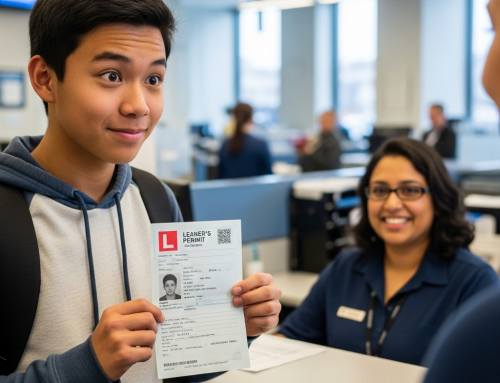
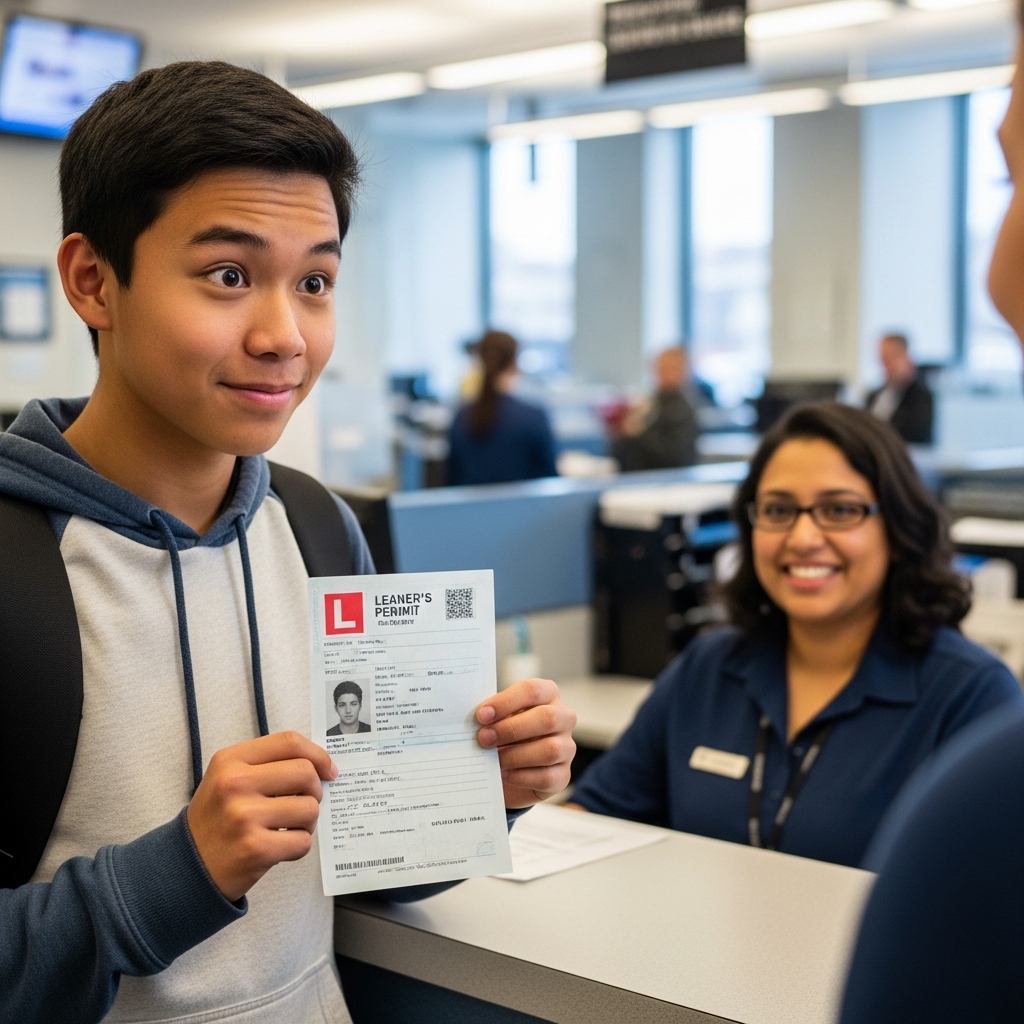
The absolute must-have is your learner’s permit. Not a photocopy, not a picture on your phone – the actual physical permit. The instructor needs to verify those details match what’s in the system, and they’re pretty strict about it. If you’ve misplaced it (happens to the best of us), you’ll need to get a duplicate from the DMV before scheduling your class.
Pro tip from someone who’s been there: check the expiration date on your permit the night before. New York permits are valid for five years, but if yours is about to expire, you might want to handle that renewal first. Nothing worse than completing your course only to discover your permit expired last week.
The ID Game – Double-Check Everything
Most driving schools will ask for a second form of identification beyond your learner’s permit. Think of it as backup verification – they want to make absolutely sure you are who you say you are. A valid passport, state ID, or even a school ID with your photo usually works fine.
Here’s what catches people off guard: make sure the name on ALL your documents matches exactly. If your learner’s permit says “Michael” but your school ID says “Mike,” that could create unnecessary complications. It sounds nitpicky (and honestly, it kind of is), but driving schools have to follow strict guidelines.
Actually, that reminds me – if you’ve recently gotten married or changed your name for any reason, this is something to sort out beforehand. The DMV needs to know about name changes before you can proceed with licensing requirements.
Payment Methods That Actually Work
Cash is still king at many driving schools, especially the smaller, family-run operations. But here’s where it gets tricky – some places are moving toward card-only payments (thanks, pandemic), while others stubbornly stick to cash or check only.
Call ahead. Seriously. Don’t assume they take your preferred payment method. I know it seems like everyone takes cards these days, but you’d be surprised how many driving schools are still operating like it’s 1995. Some will take Venmo or other digital payments, but that’s definitely not universal.
The course fee typically runs between $40-80, depending on where you take it. Budget for the higher end just in case – better to have extra cash than to scramble for an ATM.
Scheduling Smart – Timing Is Everything
Here’s something most people don’t think about: book your course strategically based on when you plan to take your road test. The 5-hour course certificate is valid for one year, but why put unnecessary pressure on yourself?
If you’re planning to take your road test in the spring, don’t do the course the previous winter. Life happens – maybe you need more practice time, or road test appointments get backed up (which they often do). Give yourself a comfortable buffer.
Also, consider your schedule realistically. Yes, it’s called a “5-hour” course, but with breaks and administrative stuff, you’re looking at closer to 6 hours total. Some schools split this across multiple days, others do it all at once. Pick what works for your attention span and schedule.
The Fine Print Nobody Mentions
Bring a pen. Sounds obvious, but you’d be amazed how many people forget this basic item. You’ll be filling out paperwork and taking notes – don’t be the person asking to borrow a pen every five minutes.
Wear comfortable clothes and bring a water bottle. Five hours is a long time to sit in a classroom, and some driving schools keep their rooms either too hot or too cold. Layers are your friend.
If you wear glasses or contacts, bring them. The instructor might ask you to read signs or materials, and you want to be prepared. Also, if your learner’s permit has a vision restriction, make sure you’re wearing your corrective lenses.
One last thing – some schools provide a certificate immediately after completion, while others mail it to you. Ask about this when you register. If you’re eager to schedule your road test, you’ll want to know when you’ll actually have that certificate in hand.
The bottom line? A little preparation goes a long way in making this required step as painless as possible.
When Life Gets in the Way of Getting Your License Back
Let’s be real here – gathering these documents isn’t just about paperwork. It’s about navigating a system that seems designed to make you jump through hoops while you’re already dealing with the stress of having lost your license in the first place.
The most common problem? You can’t find half the stuff you need. Your Social Security card disappeared into that black hole where important documents go to die (probably the same place as single socks). Your birth certificate is… somewhere? Maybe in that box from your last move three years ago.
Here’s what actually works: Start with what you definitely have access to. Can you get online? Order a certified copy of your birth certificate through your state’s vital records office. It’ll cost you around $15-25, but it’s faster than tearing apart your apartment. For your Social Security card, you can replace it for free – but here’s the catch, you can only do this three times per year and ten times in your lifetime. So don’t lose this one again.
The Proof of Address Nightmare
This one trips up more people than you’d think. You need proof of address, but not just any proof will do. Your Netflix bill? Nope. That Amazon delivery confirmation? Nice try.
The DMV wants official mail – think bank statements, utility bills, insurance documents. But what if you live with family and your name isn’t on the bills? What if you just moved and everything’s still being forwarded?
Here’s a workaround that actually works: Get a letter from your bank. Most banks will print you an official statement showing your current address on demand. If you’re staying with relatives, have them add you as an authorized user on a utility account – even temporarily. It sounds like a hassle, but it’s better than getting turned away at the DMV.
Actually, that reminds me… if you’re in transitional housing or a temporary living situation, call the DMV ahead of time. They sometimes accept letters from shelters or halfway houses – but you need to confirm this beforehand, not find out when you’re already there with all your other paperwork.
The Money Problem Nobody Talks About
Let’s talk about what this really costs. The 5-hour class itself runs about $40-50. But then there’s the fee for getting copies of your documents, potential parking at the DMV, time off work… it adds up fast when you’re probably already financially stressed.
Some driving schools offer payment plans for the class – they don’t advertise this, but if you ask, many will work with you. Community organizations sometimes have funds to help with DMV-related expenses too. Don’t be too proud to ask – getting your license back is an investment in your future earning potential.
When Your Record Is Complicated
Here’s where things get tricky. If you’ve had multiple violations, moved between states, or there are discrepancies in your records, the standard document list might not be enough. The DMV might want additional proof of identity or documentation of your driving history from other states.
If your situation is complex – and you’ll know if it is – don’t wing it. Call the DMV’s customer service line (yes, you’ll be on hold forever) and explain your specific situation. Get the representative’s name and ask them to email you the exact requirements. This saves you from making multiple trips.
The Waiting Game
Even when you have everything perfect, sometimes the system just… doesn’t cooperate. Their computers are down. The person ahead of you brought a filing cabinet worth of unnecessary documents and is arguing about each one. You’ve been there for three hours and they’re about to close.
Build buffer time into your plans. Don’t schedule your 5-hour class for the same day you plan to get your documents processed. Give yourself at least a week between getting your paperwork sorted and taking the class – because something always goes sideways.
The truth is, this process tests your patience more than your driving knowledge. But remember why you’re doing this. Getting your license back isn’t just about convenience – it’s about independence, job opportunities, and getting your life back on track. These document headaches are temporary. The freedom of having your license back? That’s permanent.
Setting Realistic Expectations for Your 5-Hour Class Experience
Here’s the thing about taking your 5-hour pre-licensing course – it’s not exactly a quick coffee break, but it’s also not climbing Mount Everest. Most people finish feeling pretty accomplished, though maybe a bit drained. Think of it like a long movie… except instead of popcorn, you’re getting knowledge that could literally save lives.
The classroom time flies by faster than you’d expect, honestly. You’ll cover defensive driving techniques, New York traffic laws, and some sobering statistics about accidents. Don’t worry if you feel a bit overwhelmed – that’s completely normal. Your instructor has seen hundreds of students with that same “am I really ready for this?” expression.
One reality check though – you won’t walk out feeling like a driving expert. This course gives you the foundation, but real confidence comes from practice behind the wheel. It’s like learning to cook by reading recipes… you still need to actually make some meals (and probably burn a few) before you’re comfortable in the kitchen.
What Happens After You Complete the Course
Once you’ve sat through those five hours and passed the final quiz (yes, there’s usually a short test – nothing too scary), you’ll receive a completion certificate. Guard this thing with your life. Seriously. I’ve heard stories of people losing it and having to retake the entire course because they couldn’t prove they’d completed it.
Your certificate is typically valid for one year, which gives you plenty of time to schedule your road test. But here’s where things get interesting – you can’t just show up at the DMV tomorrow expecting to take your test. Road test appointments in New York can book up weeks, sometimes months in advance. Especially in areas like NYC and Long Island, you might be looking at a 6-8 week wait. Maybe longer during busy seasons.
This is why I always tell people… don’t wait until you feel “perfectly ready” to schedule your road test. Book it as soon as you get your certificate. You can always reschedule if you need more practice time (though there might be a fee), but at least you’ll have a spot locked in.
Preparing for Your Road Test – The Real Talk
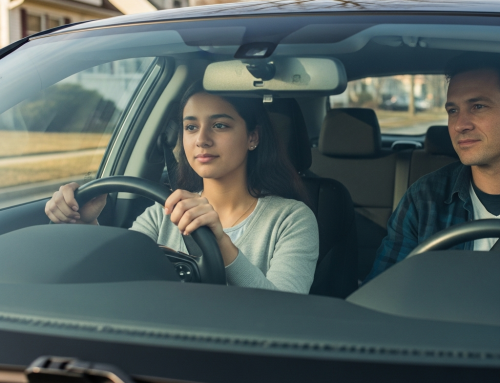
Between completing your 5-hour class and taking your actual road test, you’ve got work to do. This is when you’ll want to log serious practice hours with a licensed driver over 21. Some people think they need just a few weeks… but honestly? Most people benefit from 2-3 months of regular practice.
You’ll need to master parallel parking (the nemesis of many New Yorkers), three-point turns, and highway merging. Plus all the little things that become second nature eventually – checking blind spots, proper following distance, smooth stops that don’t give your passengers whiplash.
Here’s something they don’t always tell you – practice in the area where you’ll take your road test. Each DMV location has its quirks. Some have tricky intersections, others have parallel parking spots that seem impossibly small. Getting familiar with the local roads can make a huge difference in your confidence level.
Common Hiccups and How to Handle Them
Sometimes life gets in the way. Maybe you lose your certificate (it happens more than you’d think), or you realize you need more practice time than expected. Don’t panic. The DMV has procedures for everything, though they’re not always… speedy.
If you fail your first road test – and plenty of people do – you’ll need to wait at least two weeks before retesting. Use this time wisely. Many driving schools offer refresher lessons specifically for people who need to retake their test. It’s not a failure; it’s just more practice.
And here’s something that might surprise you – some people find the 5-hour class so helpful that they wish they’d taken it sooner in their learning process. It really does tie together a lot of concepts that might have seemed random during your practice sessions.
The whole process from 5-hour class to license typically takes 2-4 months for most people. That might seem long, but remember – you’re learning a skill you’ll use for decades. Better to take your time and do it right than rush and develop bad habits that are hard to break later.
Getting Ready to Take That Next Step
Look, I know gathering all these documents can feel like you’re preparing for some kind of bureaucratic obstacle course. One minute you’re looking for your Social Security card (which, let’s be honest, we all lose at least twice a year), and the next you’re trying to remember where you put that utility bill from last month. It’s… a lot.
But here’s the thing – and I really want you to hear this – you’re not just collecting paperwork. You’re taking control. Every document you gather, every form you fill out, every step you take toward completing that 5-hour course? That’s you choosing to move forward. And that takes courage, especially if you’re dealing with this because of a challenging time in your life.
I’ve seen people stress themselves into knots over missing one piece of ID or worrying they don’t have the “right” documents. Sometimes they’ll put off the whole thing for weeks, even months, because they’re overwhelmed by the process. Don’t let that be you. The truth is, most driving schools and DMV offices deal with these situations every single day. They know people lose things, move apartments, change names… life happens.
If you’re missing something – maybe your birth certificate got lost in a move, or your Social Security card is somewhere in your ex’s apartment (we’ve all been there) – don’t panic. Most documents can be replaced, usually faster than you think. And honestly? The people at these offices have seen it all. They’re not going to judge you for needing a replacement document or asking questions about what you need.
The 5-hour course itself? It’s actually not as intimidating as it sounds. Think of it more like a really thorough driver’s ed refresher. You’ll learn things that might genuinely help you become a safer driver – defensive driving techniques, how to handle different road conditions, what to do in emergencies. Some of it you probably already know, but there might be a few “oh, I never thought of that” moments too.
And once you’re done? You’ll have that certificate in hand, ready to move forward with whatever comes next. Whether you’re getting your license for the first time, dealing with a suspension, or just need to brush up on your skills – you’ll have taken that step.
We’re Here When You Need Us
You know, sometimes the hardest part isn’t the paperwork or even the class itself – it’s just figuring out where to start. If you’re feeling stuck or overwhelmed by any part of this process, don’t struggle through it alone.
Our team has helped hundreds of people navigate these requirements, and honestly? We kind of love helping people get unstuck. Whether you need help tracking down a missing document, finding the right driving school, or just want someone to walk you through what to expect… we’re here.
Give us a call or shoot us a message. No pressure, no sales pitch – just real people who understand that sometimes you need someone in your corner. Because the truth is, you’ve got this. You just might need a little support along the way, and that’s perfectly okay.