6 Benefits of Choosing an Online DMV 5 Hour Driving Class

Picture this: you’re sitting in a stuffy classroom on a Saturday morning, surrounded by teenagers who look like they’d rather be literally anywhere else. The instructor’s voice drones on about right-of-way rules while someone in the back row is clearly playing games on their phone. You glance at your watch – only two hours down, three more to go. Your coffee’s gone cold, your back’s aching from those plastic chairs, and you’re wondering why on earth you have to be here when you’ve been driving for twenty years.
Sound familiar?
Here’s the thing – that scenario doesn’t have to be your reality anymore. And honestly? It shouldn’t be.
The traditional 5-hour driving course has been around forever, sure, but just because something’s been done one way doesn’t mean it’s the best way. I mean, we used to think the earth was flat and that bloodletting cured diseases, right? Sometimes progress means questioning why we do things the way we’ve always done them.
If you’re required to take a 5-hour driving course – whether you’re a new driver, getting your license back after a suspension, or dealing with a court requirement – you’ve probably assumed you’d have to block out an entire day, find childcare, arrange time off work, and sit through hours of material that… let’s be honest… might not exactly be riveting.
But what if I told you there’s a better way?
Online DMV 5-hour driving classes have completely changed the game. And I’m not talking about some sketchy, corner-cutting solution that’ll leave you unprepared. I’m talking about legitimate, state-approved courses that meet all the same requirements as those classroom sessions – but without the hassle, the rigid schedule, or that weird smell that seems to permeate every DMV building.
The best part? You’re not sacrificing quality for convenience. Actually, you might be getting something better.
Think about how you learn best. Maybe you’re the type who needs to rewind and replay a section when your mind wanders (and whose mind doesn’t wander during a five-hour lecture?). Or perhaps you retain information better when you can take notes on your laptop, pause for a coffee break, or – crazy thought – learn in your pajamas without judgment.
Some people learn better at 6 AM when their brain is fresh. Others are night owls who absorb information like a sponge at 11 PM. The traditional classroom model assumes everyone learns exactly the same way at exactly the same time. Spoiler alert: we don’t.
Now, I know what you might be thinking. “Online courses sound great, but are they actually… legitimate?” It’s a fair question – there’s definitely some questionable stuff out there. But when you choose a proper, state-approved online program, you’re getting the same curriculum, the same certification, and the same legal compliance as the in-person version.
The difference is how it’s delivered.
Instead of being trapped in a room with fluorescent lighting that makes everyone look vaguely ill, you can learn from your kitchen table. Instead of rushing through traffic to make it to a 9 AM start time, you can begin whenever works for your schedule. Instead of hoping the person next to you doesn’t have a persistent cough… well, you get the idea.
Throughout this article, we’re going to explore six specific benefits that make online 5-hour driving courses not just convenient, but actually superior to the traditional classroom experience. We’ll talk about flexibility (obviously), but also some advantages you might not have considered – like better retention rates, cost savings, and the ability to truly customize your learning experience.
You’ll discover how these courses work, what to look for in a quality program, and why many people find they actually learn more effectively online than they ever did in a classroom setting. Plus, we’ll address those lingering concerns you might have about legitimacy and effectiveness.
Because here’s the truth: your time is valuable, your learning style is unique, and your driving education should work for you – not against you.
What Exactly Is This 5-Hour Thing Anyway?
Okay, let’s back up for a second. If you’re scratching your head wondering what a “5-hour driving class” even is – you’re not alone. It’s one of those requirements that sounds made-up until you actually need it.
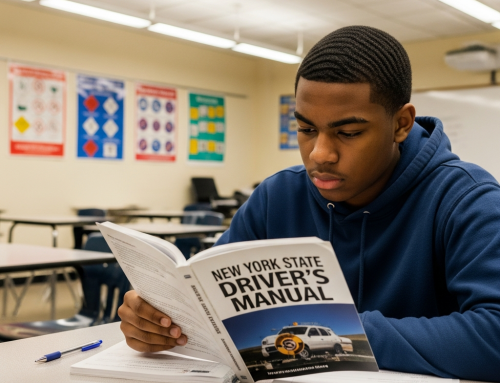
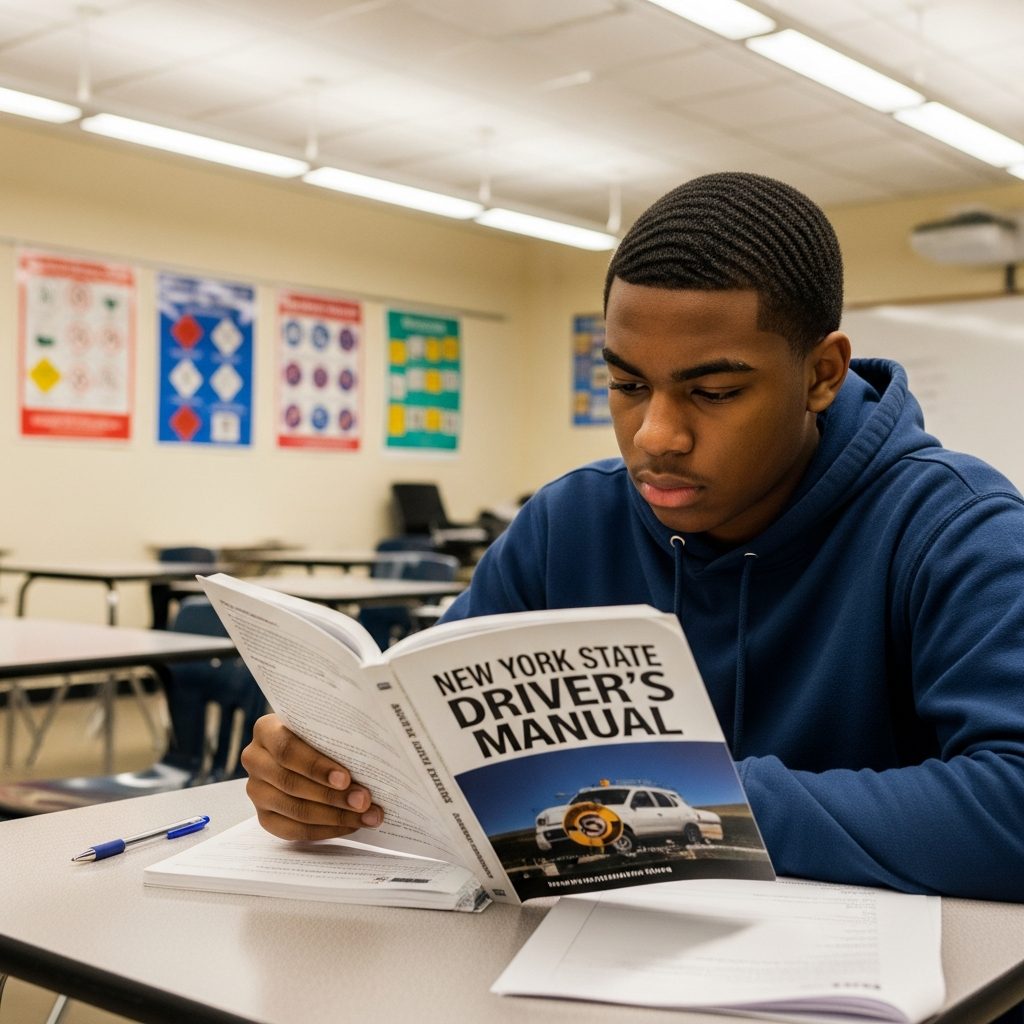
The 5-hour pre-licensing course is basically New York State’s way of saying “hold on there, speed racer” before you take your road test. Think of it as the appetizer before the main course… except this appetizer is mandatory and involves a lot more PowerPoint slides about defensive driving than you’d expect.
Here’s the deal: you can’t schedule your road test without completing this course first. It’s like trying to get into a movie theater without a ticket – the system just won’t let you through. The course covers everything from basic vehicle operation to sharing the road with other drivers (who, let’s be honest, sometimes act like they got their licenses from a cereal box).
The Traditional Classroom Experience (Or: Why Your Back Hurts)
Picture this: you’re sitting in a fluorescent-lit room that somehow manages to be both too hot and too cold at the same time. The chairs? Probably designed by someone who’s never actually sat in one. You’re there for five straight hours – and I mean *straight* hours, with maybe a 10-minute break if you’re lucky.
The instructor clicks through slides at what feels like the pace of continental drift, and there’s always that one person who asks seventeen follow-up questions about every single topic. You know the type. Meanwhile, you’re checking your phone (discreetly, of course) and wondering if time has somehow started moving backward.
And don’t even get me started on the scheduling nightmare. Most driving schools offer these classes maybe once or twice a week, usually at times that seem specifically designed to conflict with your work schedule, your kid’s soccer practice, and basic human circadian rhythms.
Enter the Digital Age (Finally!)
This is where online classes swoop in like a superhero in a really practical, time-saving cape. The same content, the same state approval, but delivered in a way that doesn’t make you question your life choices.
Online DMV classes use the same curriculum that’s been approved by the New York State Department of Motor Vehicles. They’re not some sketchy shortcut or watered-down version – they’re the real deal, just packaged differently. It’s like getting your favorite restaurant meal delivered instead of eating in their cramped dining room with questionable ventilation.
How the Online Format Actually Works
Here’s something that might surprise you: online doesn’t necessarily mean “do it all in one sitting.” Most platforms break the content into digestible chunks – maybe 30-45 minute segments that you can tackle whenever your brain is actually functioning.
You’ll still cover all the essential topics: vehicle operation, traffic laws, defensive driving techniques, and how to share the road without losing your mind (though that last part might require additional life coaching). The difference is you can pause when your attention starts wandering, rewind if you missed something important, and actually absorb the information instead of just enduring it.
Some courses even include interactive elements – quizzes, scenarios, even videos that don’t look like they were filmed in 1987. Novel concept, right?
The Technology Factor (Don’t Worry, It’s Not Rocket Science)
I know what some of you might be thinking: “But I’m not great with technology…” Listen, if you can order food on your phone or argue with strangers on social media, you can handle an online driving class. These platforms are designed to be user-friendly because – surprise – driving schools want you to actually complete the course, not get frustrated and give up.
Most online courses work on any device with internet access. Your laptop, tablet, even your phone (though I’d recommend something with a bigger screen for your sanity). You don’t need to download special software or become a computer whiz overnight.
The real beauty is in the flexibility. You can start the course on your lunch break, continue it after dinner, and finish it this weekend while your coffee’s still hot. It’s education that actually fits into real life instead of demanding you rearrange everything around it.
Smart Scheduling Strategies That Actually Work
Look, I get it – you’re juggling work, family, maybe school, and now you need to squeeze in this driving class. Here’s what most people don’t realize: the best times to book are Tuesday through Thursday, between 10 AM and 2 PM. That’s when you’ll find the most availability and – here’s the kicker – you’re less likely to deal with technical glitches because server traffic is lighter.
Pro tip? Book your class for a day when you naturally have lower energy. I know that sounds backwards, but hear me out. These classes require focus, not physical energy, and you’ll actually retain information better when you’re in a calm, settled state rather than when you’re amped up from three cups of coffee.
The Tech Setup Nobody Tells You About
Your laptop battery is going to die. It always does, right when you’re 3 hours into the class. Have your charger ready – and I mean plugged in and within arm’s reach, not somewhere across the room where you’ll have to pause and fumble around.
Clear your browser cache before starting. This isn’t just tech-nerd advice… it’s the difference between smooth sailing and watching that spinning wheel of death for 20 minutes. Close every other browser tab too. Yes, even the one with your Amazon cart. The course platform needs all the bandwidth it can get.
Actually, that reminds me – test your internet speed beforehand. You need at least 5 Mbps for streaming video content without buffering issues. If your WiFi is spotty, consider using your phone’s hotspot as backup. Nothing’s worse than getting kicked out of the class and having to explain to the DMV why you need to restart.
Note-Taking Hacks for Better Retention
Don’t just sit there passively clicking through slides. Your brain isn’t designed to absorb information that way. Grab a notebook – yes, an actual paper one – and jot down key points as you go. Something magical happens when you write by hand… it forces your brain to process the information differently.
Here’s my favorite technique: the “explain it to a 10-year-old” method. After each module, write a one-sentence summary in the simplest terms possible. If you can’t do that, you probably need to review that section again.
Keep a running list of questions as they pop up. Most platforms have discussion forums or chat features where instructors actually respond – but only if you ask specific questions, not vague stuff like “I don’t get it.”
Maximizing Your Break Time
Those mandatory breaks aren’t just legal requirements – they’re cognitive necessities. But here’s what you shouldn’t do: scroll social media or check work emails. Your brain needs to actually rest, not switch to a different type of stimulation.
Stand up. Stretch. Look out a window at something far away (your eyes need a break from screen focus). Drink water – not more coffee, water. Dehydration kills concentration faster than anything else.
Use the 20-20-20 rule during breaks: every 20 minutes, look at something 20 feet away for 20 seconds. It prevents eye strain and keeps you alert for the long haul.
Documentation and Proof Strategies
Screenshot everything. Your completion certificate, your login confirmation, the timestamp when you finished each module. I’ve seen too many people have to retake classes because of technical glitches that wiped their progress.
Print your certificate immediately – don’t wait until later when you might forget. And email it to yourself from two different email accounts. Sounds paranoid? Maybe. But it takes 30 seconds and could save you weeks of hassle if something goes wrong with the DMV’s records.
Keep your confirmation emails too. The DMV might ask for them when you go in for your road test, and trust me, you don’t want to be digging through deleted emails at 7 AM before your appointment.
Setting Yourself Up for Success Beyond the Class
This class isn’t just about checking a box – it’s actually preparing you to be a safer driver. Weird concept, right? Take notes on the defensive driving techniques they cover. You’ll use them in real life more than you think.
Pay special attention to the sections about road rage and distracted driving. Not because you’re planning to be a road rager (I hope), but because you’ll encounter plenty of them out there. Understanding the psychology helps you stay calm and make better decisions when someone cuts you off or tailgates you.
The material on weather driving conditions? Pure gold. Most driving schools barely touch this stuff, but online courses often go deeper into hydroplaning, black ice, and visibility issues. File this information away – you’ll need it.
The Tech Hurdle – When Your Computer Becomes Your Enemy
Let’s be real for a second – not everyone’s a digital native. You might be the type who still prints emails (no judgment here), and suddenly you’re supposed to navigate an online driving course? The good news is that most platforms are designed with your tech-challenged uncle in mind.
Here’s what actually works: before you start the real course, spend 15 minutes just clicking around. Find the volume controls, figure out how to pause and restart, locate the progress tracker. It’s like learning where the bathroom is in a new office – awkward at first, but essential knowledge.
If you’re worried about your internet cutting out mid-lesson… well, that’s a legitimate concern. Most courses automatically save your progress every few minutes, but here’s a pro tip: take screenshots of your completion certificates as you go. Your phone’s camera works fine for this. Think of it as digital insurance.
The Attention Span Reality Check
Five hours is a long time to stare at a screen, especially when someone’s droning on about right-of-way rules. Your brain wasn’t designed for this marathon of focus – and honestly? The course creators know this.
The secret sauce is breaking it up strategically. Don’t try to power through all five hours on a Sunday afternoon while Netflix is calling your name. Instead, treat it like a prescription: take one hour with breakfast, maybe another during lunch break. Your retention will actually be better this way, even though it feels like you’re being lazy.
And here’s something nobody tells you – it’s perfectly fine to rewind sections. Lost in thought about what you’re making for dinner while they explained intersection protocols? Hit that back button. The course isn’t judging your wandering mind.
The Distraction Dilemma (AKA Life Keeps Happening)
Your phone buzzes. The dog needs out. Someone’s at the door. Kids are asking for snacks. This is why people sometimes prefer the in-person classes – at least there, you’re trapped in a room with nowhere else to go.
But here’s the thing about online courses that’s actually brilliant: you can control your environment. Pick your battles. Don’t try to do this while babysitting your neighbor’s toddler or during your lunch break at a noisy office.
Create what I call a “fake classroom” at home. Same chair, same time of day, phone in another room. Your brain starts to associate that setup with learning mode. It sounds silly, but it works.
The Motivation Vacuum
In a physical classroom, there’s social pressure to pay attention. Online? You could be shopping for shoes in another tab and nobody would know. This freedom is liberating… until you realize you’ve retained absolutely nothing from the past 30 minutes.
The trick is artificial accountability. Set small rewards for yourself – finish module two, get a good coffee. Complete the whole thing, treat yourself to something you’ve been wanting. Or go old school: tell a friend your timeline and ask them to check in on you.
Some people find it helpful to take notes by hand while watching. Not because you’ll reference them later (let’s be honest), but because writing engages a different part of your brain. It’s like having a conversation with the material instead of just letting it wash over you.
The Technical Meltdown Moments
Nothing’s more frustrating than being 80% through a section when your browser crashes. Or when the video keeps buffering right at the important parts. These aren’t just minor annoyances – they can completely derail your progress and motivation.
Before you start, close every other program and browser tab. Yes, even that article you’ve been meaning to read for three weeks. Your computer needs all its energy focused on this one task. If you’re on an older device, maybe clear some storage space first.
Keep the course support number handy – not because you’ll definitely need it, but because knowing it’s there removes one layer of anxiety. Most platforms have surprisingly helpful human beings who can walk you through technical issues without making you feel like you should know better.
Making Peace with Imperfection
Here’s the reality check nobody wants to give you: you don’t need to absorb every single detail perfectly. This isn’t medical school. You need to understand the main concepts and pass the final quiz.
If you space out during the section about commercial vehicle regulations (and you’re not driving a semi-truck), that’s… probably fine. Focus your energy on the stuff that actually applies to your daily driving life.
What to Expect on Day One
Let’s be honest – starting an online driving class feels a bit weird at first. You’re probably sitting there thinking, “How exactly does this work?” and maybe wondering if you’ll actually learn anything without someone physically next to you pointing at road signs.
Here’s the thing: most people feel a little awkward during their first online session. That’s completely normal. You’ll spend the first 10-15 minutes just figuring out the platform – where to click, how the videos work, whether your internet connection is going to cooperate. Don’t stress about it.
The typical setup is pretty straightforward. You’ll log in (write down your password somewhere, trust me), watch video segments that are usually 10-20 minutes each, and then answer some questions to prove you were paying attention. Think of it like Netflix, but with more stop signs and fewer cliffhangers.
The Real Timeline – No Sugar-Coating
So about those five hours… they’re actual hours. Not “we’ll pretend it’s five hours but really it’s three.” The state requirements are pretty firm on this, and reputable programs track your time carefully.
Most people spread it out over 2-3 days, doing maybe 1.5-2 hours at a stretch. Your brain starts to tune out after that anyway – there’s only so much you can absorb about right-of-way rules before your eyes glaze over. Some ambitious folks try to knock it all out in one marathon session, but honestly? That’s like trying to eat an entire pizza in one sitting. Technically possible, but you’re not going to feel great about it afterward.
The platforms usually have built-in timers, and you can’t fast-forward through videos. I know, I know – you probably tried. We all did.
When Things Don’t Go According to Plan
Your internet will probably cut out at least once. It always does. The good news is that most programs save your progress automatically, so you won’t lose everything and have to start over from the beginning (which would be… frustrating, to put it mildly).
If you’re using an older computer or tablet, some videos might load slowly. This isn’t necessarily a reflection of the program quality – it’s just technology being technology. Have a backup plan, maybe your phone as a hotspot or a different device.
And yes, you might fall asleep during one of the segments. Especially if you’re doing this after work or late at night. The drowsy driving section is particularly ironic for this… Most programs will log you out after a period of inactivity, so you’ll need to log back in and figure out where you left off.
After You Finish – The Certificate Dance
Once you complete all five hours and pass the final quiz (which isn’t exactly brain surgery, but you do need to pay attention), you’ll get a certificate. This usually happens immediately, but sometimes takes up to 24 hours. Don’t panic if it’s not instant – the system might just be processing things.
You’ll probably get both a digital copy and the option to print a physical one. Print it immediately. Seriously. Don’t tell yourself you’ll do it later. We both know how that story ends, and it usually involves frantically trying to access your account at 9 PM the night before you need to show the certificate somewhere.
Making the Most of What You’ve Learned
Here’s something they don’t really tell you: finishing the class is just the beginning. I mean, you’ll have checked the box for whatever requirement brought you here in the first place, but the real test is applying what you learned when you’re actually driving.
Those defensive driving techniques? They’re genuinely useful, even if they seemed obvious during the videos. That stuff about following distance and scanning for hazards – it actually works when you remember to do it. The key word being “remember.”
Consider keeping some notes from the class in your car for the first few weeks. Not to study like it’s finals week, but as gentle reminders of the habits you want to build. Because let’s face it, we all have room for improvement behind the wheel, even those of us who think we’re pretty decent drivers already.
The certificate might be the official end of your online class, but the learning part? That continues every time you get behind the wheel.
Making the Right Choice for Your Driving Future
You know what? Taking that first step toward getting your license – or getting it back – can feel pretty overwhelming. Between work schedules, family commitments, and everything else life throws at you, the last thing you need is another complicated process to navigate. That’s exactly why online driving classes have become such a game-changer for so many people.
Think about it… you’re already juggling enough. Traditional classroom settings with rigid schedules and commute times? They’re asking you to add even more stress to your plate. But with online options, you’re essentially getting the same valuable education – sometimes even better – on your own terms.
What really strikes me about online driving education is how it levels the playing field. Maybe you’re working two jobs and can only study at 11 PM. Maybe you learn better when you can pause, rewind, and really absorb the material at your own pace. Or perhaps (and this is more common than you’d think) sitting in a classroom full of strangers makes you anxious about asking questions. Online learning removes all those barriers.
The convenience factor alone is huge, but there’s something deeper here too. When you can learn from your own space – whether that’s your kitchen table, your favorite coffee shop, or even during lunch breaks – you’re more relaxed. And when you’re relaxed? You actually retain information better. It’s not just about checking a box; you’re genuinely preparing yourself to be a safer, more confident driver.
I’ve noticed that people who take online classes often feel more empowered by the whole experience. There’s no rushing through material because the instructor needs to stick to a timeline, no feeling lost because you missed a crucial explanation while someone else was asking a question. You’re in control, and that confidence carries over into your actual driving.
The flexibility extends beyond just timing, too. Life happens – maybe your internet cuts out, maybe you need to take an unexpected call, maybe you’re just having one of those days where information isn’t sticking. With online classes, you can hit pause on your education without falling behind or missing critical information.
And here’s something that might surprise you – many people find the online format actually helps them engage more with the material. Without the distractions and social pressures of a classroom, they can focus entirely on learning what they need to know to be safe on the road.
Ready to Take the Next Step?
If you’re considering an online driving class but still have questions or concerns, don’t hesitate to reach out. Whether you’re wondering about specific requirements, need help choosing the right program, or just want someone to walk you through what to expect – we’re here to help.
Sometimes it helps just to talk through your situation with someone who understands the process inside and out. Every person’s needs are different, and what works for your neighbor might not be the perfect fit for you. That’s totally normal, and it’s exactly why we’re here.
You don’t have to figure this out alone. Give us a call or send a message – we’d love to help you find the path that works best for your schedule, your learning style, and your life.