Where to Find a 5 Hour Course Near Me in New York

Picture this: you’re scrolling through job listings on a Tuesday night, coffee getting cold beside your laptop, when you spot the perfect position. Great salary, amazing benefits, decent commute… but there it is in the requirements section, staring back at you like that one ingredient you forgot at the grocery store. “Valid New York State 5 Hour Pre-Licensing Course completion required.”
Or maybe you’ve been putting it off for months – that nagging reminder from your insurance company about taking a defensive driving course to snag that discount you desperately need. Your friend Maria keeps talking about how she saved $400 a year on her premiums, and honestly? Right now, $400 could cover groceries for weeks.
Here’s the thing about New York’s 5-hour course requirement – it feels like one of those bureaucratic hoops that exists just to make your life more complicated. And finding a course that actually fits into your already-packed schedule? That’s where things get really fun. You know the drill: you finally carve out time to research, only to discover the nearest location is an hour away, or the only available slot is at 6 AM on a Saturday (because apparently that’s when normal people want to learn about defensive driving techniques).
I get it. You’re probably wondering why New York even requires this course in the first place, and more importantly, how to check this box off your to-do list without it becoming a major production. Maybe you’re a new driver feeling overwhelmed by all the requirements, or perhaps you’re someone who’s been driving for years but never got around to taking the course. Either way, you’re here because you need answers – practical ones that don’t involve calling fifteen different driving schools only to be put on hold for twenty minutes.
The truth is, New York’s 5-hour course isn’t going anywhere. It’s been a requirement since 2003, and whether you’re getting your first license, transferring from another state, or need it for work, you’ll eventually need to sit through those five hours of instruction. But here’s what nobody tells you upfront – not all courses are created equal, and where you take it can make the difference between a painful experience and… well, a slightly less painful one.
Some places treat it like a box-checking exercise, rushing through material while you count down the minutes. Others actually make it useful – teaching you things about New York traffic laws and defensive driving that might save you from that fender-bender on the Cross Bronx Expressway. And then there’s the whole question of convenience. Do you want to spend your Saturday in a cramped classroom in Queens, or would you prefer an online option you can knock out during your lunch breaks?
The scheduling piece is huge, too. If you’re juggling work, family, or school, finding a course that fits your life – not the other way around – becomes crucial. Weekend warriors, night owls, and busy parents all need different solutions. And don’t even get me started on the cost variations… let’s just say some places charge premium prices for the same state-mandated curriculum.
That’s exactly why I put together this guide – because you shouldn’t have to spend hours researching something that’s already going to take five hours of your time. We’ll walk through your options across all five boroughs (plus Long Island and Westchester, because commuting is a fact of life here), what to expect from different providers, and those little details that can make or break your experience.
You’ll learn about the online vs. in-person debate, how to spot the warning signs of a sketchy course provider, and yes – how to find options that won’t completely wreck your schedule or your budget. Because at the end of the day, this course is just one step toward whatever brought you here in the first place. Whether that’s landing your dream job, saving money on insurance, or finally getting that license you’ve been putting off, let’s figure out the fastest way to get you there.
Ready? Let’s make this as painless as possible.
What Exactly Is a 5 Hour Course Anyway?
You know, the term “5 hour course” is one of those things that sounds straightforward until you actually think about it. It’s like saying “drive to the store” – seems simple enough until someone asks which store, what route, and wait… do you even have gas?
The 5 hour pre-licensing course is New York’s way of making sure new drivers understand the basics before they get behind the wheel. Think of it as driver education’s appetizer – not the full meal, but enough to whet your appetite and keep you from making any catastrophic mistakes right off the bat.
Here’s what might surprise you: it’s not actually about driving. Not really. You won’t touch a steering wheel during these five hours. Instead, you’re learning about road signs, traffic laws, and – this is the big one – how not to get yourself or anyone else killed on New York’s notoriously aggressive roads.
The Pre-Licensing Course vs. Everything Else
Now here’s where things get a bit… well, confusing. New York has this whole alphabet soup of driver education requirements, and the 5 hour course is just one piece of the puzzle.
If you’re under 18, you’ve got the full driver education course (that’s 24 hours of classroom time plus 24 hours behind the wheel). But if you’re 18 or older? You get to skip the big kahuna and just do this 5 hour version. It’s like getting the CliffsNotes version of a novel – you get the gist without having to slog through every single chapter.
The course covers the essentials: traffic laws, defensive driving techniques, and what all those signs actually mean. You know that yellow diamond with the squiggly line? Yeah, that one actually matters.
Why New York Requires This (And Why It’s Actually Smart)
Here’s the thing about New York roads – they’re not exactly forgiving. You’ve got everything from Manhattan’s grid system (which seems logical until you encounter Broadway cutting through everything at weird angles) to the Bronx’s highway maze to Long Island’s suburban sprawl.
The state figured out – probably after one too many fender benders involving confused new drivers – that throwing people onto these roads without any preparation was like… well, like throwing someone into a shark tank with a life preserver made of tissue paper.
So they created this mandatory crash course. Pun intended, unfortunately.
Different Types of Providers (And Yes, They’re Different)
Not all 5 hour courses are created equal. It’s kind of like pizza – they’re all technically pizza, but the experience can vary wildly depending on where you go.
Traditional driving schools are your classic option. These are the places that have been around forever, with actual storefronts and instructors who’ve probably seen every type of nervous new driver imaginable. They tend to be thorough but… let’s be honest… sometimes a bit dry.
Online providers have become huge, especially after 2020 changed how we think about remote learning. You can literally complete your course in your pajamas while your cat judges your life choices. The state approves certain online courses, so they’re legit – just different.
Community colleges often offer these courses too, usually bundled with other adult education programs. They’re typically affordable and well-structured, though you might find yourself in a classroom with people taking everything from computer basics to pottery.
What Actually Happens During Those Five Hours
Let’s paint a picture here. You walk into a room (or log into a website), and for the next five hours, you’re going to learn about things like right-of-way rules, stopping distances, and what to do when you encounter a school bus with its stop sign out.
It sounds mind-numbing, and honestly? Sometimes it is. But here’s what I’ve noticed – the good instructors make it stick by using real examples. They’ll talk about that intersection in Queens where three people ran red lights last week, or why you really don’t want to tailgate on the FDR Drive during rush hour.
The course has to be taken in one sitting – you can’t spread it out over multiple days. It’s like ripping off a band-aid, I suppose. Get it done, get your certificate, move on to the next step in your driving journey.
Actually, that reminds me – keep that certificate safe. You’ll need it for your road test, and replacing it is about as fun as a root canal.
Start with the NYS DMV Course Locator Tool
Here’s what most people don’t realize – the NYS DMV website has a surprisingly decent course finder that actually works. You’ll want to search by your ZIP code rather than just “New York” because… well, New York’s a big place, right?
The trick is to search during different times of day. I’ve noticed that new courses get added to the system around 9 AM and 5 PM – probably when administrators are updating their schedules. So if you search at 2 PM and find nothing, try again after dinner.
Pro tip: Don’t just look at your immediate area. Sometimes driving 20 minutes further gets you into a class this week instead of waiting three weeks for something closer.
Check Community Colleges First (They’re Usually Your Best Bet)
Community colleges are honestly the sweet spot for these courses. They’re legitimate, affordable, and – here’s the thing nobody tells you – they often have better scheduling flexibility than the fly-by-night online operations.
SUNY schools across New York offer these courses regularly. Nassau Community College, Westchester Community College, Erie Community College… they’ve got solid programs that insurance companies actually recognize without hassle. Plus, if you have questions later, you can actually reach a human being who remembers you took the course there.
The community college websites can be… let’s say “challenging” to navigate. Your best bet? Call the continuing education department directly. Those folks know exactly when the next sessions start, and they’ll often hold a spot for you over the phone.
Don’t Overlook Local Driving Schools
This might sound obvious, but you’d be surprised how many people skip right over the driving schools in their neighborhood. These places live and breathe traffic safety – it’s literally their business model.
The advantage here is scheduling flexibility. While colleges might run courses monthly, driving schools often have rolling enrollment or can set up a class if they have enough interest. I’ve seen driving schools in Queens and Brooklyn that’ll run evening classes specifically for working adults.
Ask about package deals, too. Some driving schools offer discounts if you’re also helping a family member get their license or need other services. Never hurts to ask – the worst they can say is no.
Online vs. In-Person: The Real Story
Look, I get it – online courses seem convenient. And yes, New York accepts online defensive driving courses for insurance discounts. But here’s what they don’t advertise: not all insurance companies make the discount process equally smooth for online vs. in-person courses.
Some insurers want to see that official certificate from a brick-and-mortar location. Others are fine with digital completion certificates. Before you commit to online, call your insurance company and ask specifically what documentation they prefer. Takes five minutes and could save you weeks of back-and-forth later.
If you do go online, stick with the big names that have been around forever. The bargain-basement online courses? Sometimes they disappear before you finish, leaving you without a certificate and out your money.
Timing Your Search (This Actually Matters)
January and September are when everyone’s thinking about insurance discounts and fresh starts. Translation: courses fill up fast during these months. If you’re searching in late December or mid-August, you’re golden. Wait until January 15th? You might be looking at February availability.
Here’s something interesting – a lot of people don’t realize these courses count toward insurance discounts for three years. So that rush in January? Half those people don’t actually need to retake the course yet. Don’t let FOMO push you into an inconvenient time slot.
The Phone Call That Changes Everything
Once you’ve identified a few options, don’t just register online. Call them. Seriously.
When you call, ask about their next three available sessions, not just the next one. Ask about their makeup policy if you miss a session. Ask if they provide the certificate immediately or mail it later. Ask about parking – you’d be amazed how many people show up to find they’re circling the block for 20 minutes before class starts.
The person answering the phone has usually been there forever and knows which instructors are engaging versus which ones just read from slides. They might even mention that next Tuesday’s class typically runs 15 minutes short, or that the Thursday evening instructor brings coffee and makes the whole thing more bearable.
These little details? They make the difference between viewing your defensive driving course as a necessary evil versus actually learning something useful while you’re there.
When Life Gets in the Way
Look, finding the time for a 5-hour course in New York feels impossible some days. Between work deadlines, family obligations, and that never-ending laundry pile – who has five consecutive hours just sitting around?
The truth is, most people don’t. That’s why you’ll want to look for courses that break those five hours into manageable chunks. Some providers offer evening sessions spread across a week, or weekend morning blocks. I’ve seen folks successfully complete requirements by taking a Saturday morning session (2.5 hours) followed by a Tuesday evening wrap-up.
Your best bet? Call the provider directly and ask about flexible scheduling. Don’t just rely on what’s posted online – many places can accommodate different arrangements if you ask nicely.
The Overwhelm Factor (It’s Real)
Here’s what no one tells you: walking into a room full of strangers for mandatory education can feel… well, awful. Especially if you’re dealing with a health issue, legal requirement, or workplace mandate. You might feel singled out, embarrassed, or just plain frustrated that you’re there at all.
That uncomfortable feeling? Totally normal. Most people in that room are feeling the same way. The instructors know this too – the good ones, anyway. They’re usually pretty skilled at creating a relaxed atmosphere where you can just focus on getting through the material without judgment.
If social anxiety is your thing, try calling ahead to ask about class size. Smaller groups (under 15 people) tend to feel less intimidating. Some providers even offer semi-private sessions for a bit more money.
The Paperwork Nightmare
Oh, the certificates and documentation… This is where things get genuinely messy. You finish your course, feel accomplished, then realize you have no idea if your certificate actually counts for what you need it for.
Here’s the reality check: not all 5-hour courses are created equal. That cheap online option might not be accepted by your employer, court, or licensing board. Before you sign up anywhere, get specifics about accreditation. Ask these exact questions
– Is this course approved by [whatever agency you need it for]? – Will I receive a certificate immediately, or does it take processing time? – What happens if I miss part of the session – can I make it up?
Keep copies of everything. I mean everything. Email confirmations, certificates, even attendance sheets if they give you one. Bureaucracy has a way of “losing” records at the worst possible times.
When Technology Fights Back
If you’re going the online route (and honestly, it might be your only option with work schedules), technology will probably betray you at least once. Your internet will cut out during the final quiz, or the platform won’t recognize your completion, or your computer will decide to update itself mid-session.
Don’t panic. Most reputable online providers have technical support and makeup policies. But here’s a pro tip: test your setup beforehand. Log in early, check your audio, make sure you’ve got a backup internet option (your phone’s hotspot, maybe).
Some people find it helpful to take online courses from a library with reliable internet, especially if their home WiFi is spotty. Plus, the change of scenery might help you focus better.
The Cost Crunch
Let’s be honest about money. These courses aren’t usually cheap, and if you’re being required to take one, it probably wasn’t in your budget. Prices in New York can range from $50 for basic online courses to $200+ for in-person sessions with bells and whistles.
But here’s what you might not know: some employers reimburse course fees (you have to ask), and certain providers offer payment plans or sliding scale fees based on income. Community colleges often have the most affordable options, though they might not run courses as frequently.
If money’s tight, search for “state-approved” courses specifically – they’re usually cheaper because they stick to basic requirements without fancy extras. Skip the premium packages unless your employer is paying.
Making It Actually Useful
The biggest challenge? Walking away feeling like you actually learned something worthwhile instead of just checking a box. Five hours is a long time to spend on material that feels irrelevant or poorly presented.
This one’s tricky because you can’t always control the quality of instruction. But you can control your mindset. Bring a notebook, ask questions when something applies to your situation, and don’t be afraid to speak up if you need clarification.
Sometimes the most valuable part isn’t the formal curriculum – it’s talking to other people in similar situations during breaks. You’d be surprised what practical tips emerge from those conversations.
Setting Realistic Expectations
Look, I’m going to be straight with you – finding the right 5 hour course isn’t always as simple as clicking “book now” on the first website you find. And that’s actually a good thing.
Most reputable driving schools in New York are booked out anywhere from 2-6 weeks in advance, especially during peak times like summer months when everyone’s trying to get their license before school starts. If you’re seeing immediate availability everywhere you look… well, that might be a red flag worth investigating.
The course itself? It’s exactly what it says on the tin – five hours of instruction. But here’s what nobody tells you: those five hours don’t magically transform you into a confident driver overnight. Think of it more like learning to ride a bike with training wheels. You’ll get the basics down, sure, but real confidence comes with practice.
What Actually Happens During Those Five Hours
Your instructor will typically break things down into manageable chunks. The first hour or two usually covers the absolute basics – adjusting mirrors, understanding the controls, maybe some parking lot practice if you’re a complete beginner.
Then comes the real world stuff. You’ll spend time on residential streets first (thank goodness), gradually working up to busier roads. Parallel parking? Yeah, that’s happening whether you like it or not. Highway driving might come into play depending on your comfort level and the instructor’s assessment.
Here’s the thing though – every student is different. Some people take to driving like a duck to water. Others need every minute of those five hours just to feel comfortable making a right turn. Your instructor should adapt to your pace, not rush you through a checklist.
The Paperwork Dance
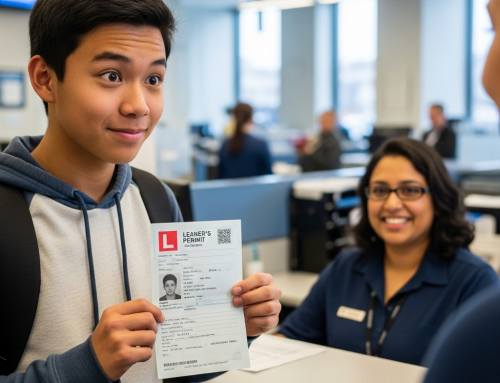
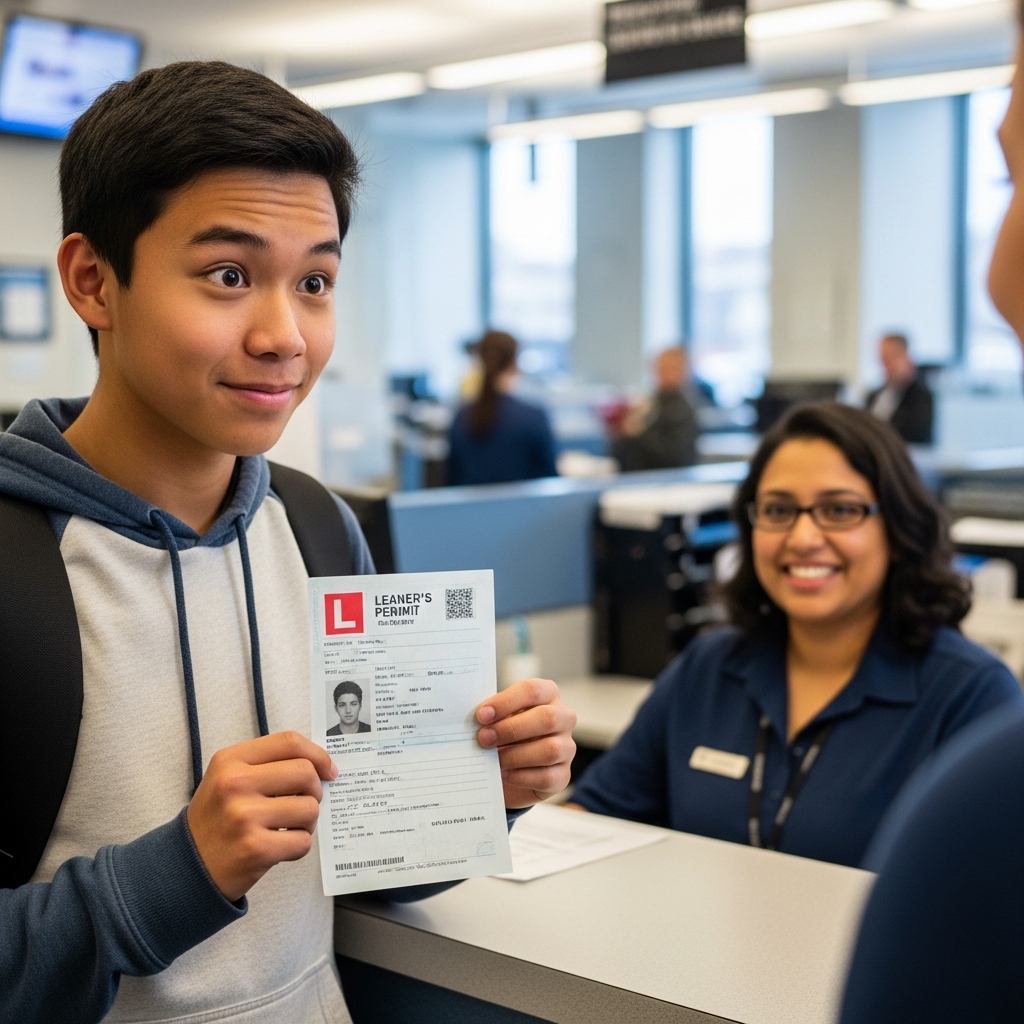
Before you even get behind the wheel, there’s documentation to sort out. You’ll need your learner’s permit (obviously), and most schools require you to bring it to every lesson – not just a photo on your phone, the actual permit.
Many schools also ask for proof of identity and residency. It sounds bureaucratic, but they’re covering their bases with insurance requirements. Some places are flexible about when you provide these documents, others want everything squared away during your first visit.
Scheduling Reality Check
Here’s where expectations often clash with reality. You might be thinking you’ll knock out all five hours in one marathon session and be done with it. Most schools won’t let you do this – and honestly, you wouldn’t want to anyway.
The typical setup? Sessions range from 90 minutes to 2 hours at a time. Your brain can only absorb so much, and fatigue becomes a real safety issue after a certain point. Plus, having a day or two between sessions lets you process what you’ve learned.
Some students spread their five hours over two weeks, others take a month. There’s no “right” timeline – it depends on your schedule, your learning pace, and frankly, how stressed out you get behind the wheel.
After the Course… Then What?
Completing your 5 hour course doesn’t automatically mean you’re ready for your road test. I know, I know – everyone wants that to be the case, but driving readiness isn’t based on hours logged, it’s based on actual skill and confidence.
Your instructor should give you honest feedback about whether you’re test-ready or need additional practice. Some students nail it and schedule their road test right away. Others realize they need a few more lessons to feel truly prepared. Neither scenario is wrong or embarrassing.
Managing the Emotional Roller Coaster
Let’s talk about something nobody mentions in the course descriptions – the emotional side of learning to drive as an adult. If you’re 18, 25, or 45, there’s often this underlying pressure to “get it” immediately.
You might feel frustrated during your second lesson when parallel parking still feels impossible. Or embarrassed when you stall at a red light (if you’re learning stick shift). This is completely normal. Your instructor has seen it all before, trust me.
The key is communicating with your instructor about your comfort level. Feeling overwhelmed? Speak up. Ready for more challenging scenarios? Say something. They can’t read your mind, but they can definitely adjust their approach based on your feedback.
Most students finish their 5 hour course feeling more confident than when they started, but still knowing they have more to learn. And honestly? That’s exactly where you should be.
You know what? Taking that defensive driving course doesn’t have to feel like punishment – even though it might’ve started that way. Whether you’re here because of a ticket, insurance savings, or just wanting to brush up on your skills, you’re making a smart move. And honestly? You’ve got more options than you probably realized when you started looking.
New York makes it surprisingly straightforward once you know where to look. The DMV’s approved provider list takes the guesswork out of finding legitimate courses, and with everything from weekend intensives in Queens to evening classes in Buffalo… there’s really something for everyone’s schedule. Even those online options – which, let’s be honest, many of us prefer these days – are totally valid and state-approved.
The best part? You’re not just checking a box here. Sure, maybe you’ll save some money on insurance (and who couldn’t use that right now?). But you might actually pick up a few things that make you a more confident driver. I’ve heard from people who discovered they’d been doing things wrong for years – not dangerous things, just… inefficient habits that were costing them gas money or causing unnecessary stress.
Here’s something worth remembering as you’re comparing options: the cheapest course isn’t always the best deal if it’s inconvenient enough that you keep putting it off. That $30 difference between providers? It’s nothing compared to late fees or having to restart because you missed the deadline. Pick the one that fits your life, not just your budget.
And if you’re feeling overwhelmed by all the choices – online versus in-person, weekend versus weekday, Manhattan versus driving out to Long Island – that’s completely normal. Sometimes having too many options feels harder than having none at all.
The thing is, you don’t have to figure this out alone. Whether you’re dealing with a specific ticket situation, trying to understand insurance requirements, or just want someone to walk through your options with you… we get these questions all the time. Not about defensive driving specifically, but about navigating health and wellness requirements, understanding complicated systems, finding the right fit for your lifestyle.
That same approach – looking at your whole situation, not just the immediate problem – applies here too. Maybe you need that course completed by next month. Maybe you’re planning ahead. Maybe you’re juggling work schedules, family obligations, or transportation challenges that make some options more realistic than others.
Whatever brought you here, you’re taking care of business. That matters. And if you want to talk through your options with someone who’s helped people navigate tricky requirements before… we’re here. Sometimes it helps to just bounce ideas off someone who’s seen it all before, you know?
Ready to tackle this course requirement without the stress? Give us a call – we’re pretty good at helping people figure out the path that actually works for their real life, not just the ideal version of it. Because honestly? Life’s complicated enough without making simple things harder than they need to be.