Why the 5 Hour Driving Course Is Required in New York

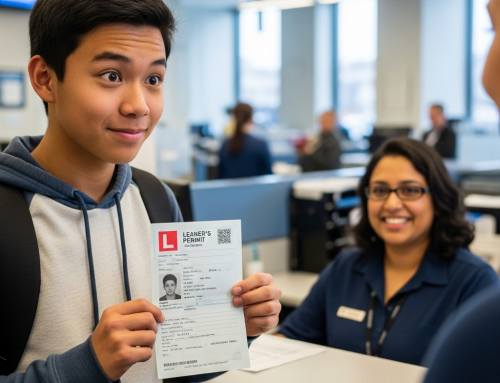
Picture this: you’re sixteen years old, clutching your learner’s permit like it’s made of gold, practically vibrating with excitement about finally getting behind the wheel. Your parents have agreed to let you drive to school – freedom is so close you can taste it. Then your mom drops the bomb: “Oh, by the way, you need to take some five-hour course before you can even think about taking your road test.”
Cue the dramatic teenage sigh.
But here’s the thing – whether you’re that eager sixteen-year-old, a parent trying to navigate the maze of requirements for your kid, or maybe an adult who never got their license and is finally taking the plunge… that five-hour course isn’t just some arbitrary hoop New York decided to make you jump through. (Though I’ll admit, it definitely feels that way sometimes.)
You’re probably wondering why New York requires this course when your cousin in Pennsylvania just waltzed into the DMV and took their test without any additional classes. Or maybe you’re sitting there thinking, “Five hours? What could they possibly talk about for five whole hours that I can’t learn from my driving instructor?”
Trust me, I get it. When you’re dealing with the already overwhelming process of getting your license – the forms, the fees, the parallel parking practice that makes you question your life choices – adding another requirement feels like salt in the wound.
But here’s what most people don’t realize: New York has some pretty compelling reasons for this requirement. And honestly? Once you understand what’s behind it, you might actually appreciate that the state is looking out for you (and everyone else sharing the road with new drivers).
See, driving isn’t just about knowing which pedal makes you go and which one makes you stop. It’s about understanding that split-second decision-making that happens when someone cuts you off on the FDR Drive… or knowing how to react when you hit a patch of ice on the Thruway in January. The mechanical stuff – turning the wheel, checking mirrors – that’s the easy part. The hard part is developing the judgment that keeps you alive out there.
New York figured this out the hard way. After looking at accident statistics and realizing that new drivers weren’t just making mistakes because they couldn’t parallel park properly, they decided something needed to change. Young drivers especially were getting into crashes not because they couldn’t physically operate a vehicle, but because they didn’t understand the mental game of driving.
So what exactly happens in these five hours that makes New York so insistent you sit through them? We’re going to break down everything – from the specific topics they cover (some of which might surprise you) to how this requirement came to exist in the first place. You’ll learn why New York takes a different approach than other states, what you can expect when you actually take the course, and honestly… whether it’s actually worth your time or just bureaucratic busy work.
We’ll also tackle the practical stuff you’re probably wondering about – like how much it’s going to cost you, where you can take it, and what happens if you try to skip it (spoiler alert: you can’t).
Look, I’m not going to pretend this course is the most thrilling way to spend five hours of your life. But understanding why it exists – and what you’re supposed to get out of it – might make those five hours feel a little less like punishment and a little more like… well, maybe not fun, but at least purposeful.
Because at the end of the day, whether you’re that excited teenager or the adult finally checking “get driver’s license” off your life list, you want to feel confident and safe when you’re out there navigating New York’s roads. And maybe – just maybe – this course actually helps with that more than you’d expect.
The DMV’s Logic (And Why It Actually Makes Sense)
Here’s the thing about New York’s driving requirements – they might seem like bureaucratic overkill at first glance, but there’s actually some solid reasoning behind the madness. Think of it like learning to cook… you wouldn’t hand someone a sharp knife and say “figure it out,” right?
The state figured out that throwing new drivers into traffic with just a basic road test was like tossing them into the deep end without swimming lessons. And honestly? The statistics backed that up. New drivers were crashing at alarming rates, especially teens who thought they knew everything after a few parking lot sessions with mom or dad.
What Actually Happens in Those 5 Hours
Now, you might be wondering – what exactly fills up five whole hours of classroom time? It’s not just someone droning on about stop signs (though there’s definitely some of that).
The course covers the heavy-hitting topics that somehow never come up during regular driver’s ed. We’re talking about things like how alcohol affects your reaction time – and not just the obvious “don’t drink and drive” stuff, but the sneaky ways even small amounts mess with your judgment. They dive into defensive driving techniques that go way beyond “keep your hands at 10 and 2.”
Actually, that reminds me… they don’t even teach 10 and 2 anymore. It’s 9 and 3 now because of airbags. See? There’s always something new to learn.
The course also tackles some pretty sobering statistics about crashes, injuries, and fatalities. It’s not meant to scare you (well, maybe a little), but to drive home – pun intended – that driving isn’t just about getting from point A to point B. You’re basically piloting a 3,000-pound missile down the highway.
The Insurance Angle (Because Money Talks)
Here’s where things get interesting from a practical standpoint. Completing this course often qualifies you for insurance discounts. And we’re not talking pocket change here – some insurers knock off 10% or more from your premium.
Think about it from the insurance company’s perspective… they’re essentially betting money on whether you’ll crash or not. If you’ve proven you’re willing to sit through extra safety training, you’re statistically less likely to cost them money. It’s like getting a discount for having a security system in your house – you’ve shown you’re serious about prevention.
The Confusing Part About Timing
Now, this is where New York’s system gets a bit… well, confusing. The timing requirements don’t always line up in the most logical way, and even DMV employees sometimes give conflicting information about when exactly you need to complete the course.
Some people think you have to finish it before you can even schedule your road test. Others believe you have until you get your actual license. The truth is somewhere in between, and it depends on your specific situation – whether you’re under 18, whether you took driver’s ed in school, whether you’re doing this through a driving school or on your own…
It’s honestly one of those things where calling ahead and double-checking never hurts. The last thing you want is to show up for your road test only to be turned away because of a timing technicality.
Why New York Specifically?
You might be wondering why New York has this requirement when plenty of other states don’t. Part of it comes down to population density and traffic complexity. Driving in Manhattan is nothing like driving in rural Montana – the sheer number of pedestrians, cyclists, delivery trucks, and aggressive cab drivers creates a completely different driving environment.
New York also has some unique traffic patterns and laws that don’t exist everywhere else. Things like how to handle bridge and tunnel traffic, understanding the right-of-way rules in busy intersections, dealing with double-parked cars (a New York specialty), and navigating around emergency vehicles in tight spaces.
The state basically realized that generic driving skills weren’t cutting it for their specific challenges. It’s like the difference between learning to swim in a calm pool versus learning to surf in the ocean – similar skills, completely different environments.
The Bottom Line on Requirements
Look, nobody loves jumping through extra hoops, especially when you’re eager to get your license and start driving. But the 5-hour course isn’t just arbitrary red tape – it’s designed to fill in gaps that traditional driver training often misses.
Getting Your Paperwork Game Strong
Here’s what nobody tells you upfront – the course certificate isn’t automatically sent to the DMV. You’ve got to handle that part yourself, and trust me, this is where people mess up the most.
Most approved providers will give you a completion certificate within 24-48 hours of finishing the course. But here’s the thing… some take up to 10 business days. If you’re planning to take your road test soon, factor this timing in. I’ve seen people panic when their certificate doesn’t show up immediately.
Keep that certificate like it’s gold. Make copies – physical and digital. The DMV has been known to “lose” paperwork (shocking, I know), and you don’t want to retake a 5-hour course because of their filing system.
Choosing the Right Course Provider – It Actually Matters
Not all driving schools are created equal, and this couldn’t be more true for the 5-hour course. Some places treat it like a glorified movie screening where you’ll zone out completely. Others… well, they actually make it useful.
Look for schools that break up the content into digestible chunks. If they’re showing you one continuous 5-hour video with a bathroom break in the middle, run. The good ones mix video segments with discussions, maybe throw in some interactive elements or real accident case studies from your area.
Pro tip: Call ahead and ask what their typical class size is. Smaller groups (10-15 people max) mean you can actually ask questions and get real answers. Those warehouse-style sessions with 50+ people? You’re basically paying to watch TV.
Timing Your Course Strategically
Most people take the course and then… wait months before getting their license. Don’t be most people. The information is freshest when you’ve just learned it, and honestly, you’ll feel more confident going into your road test.
If you’re under 18, you can take the course anytime after getting your learner’s permit – but I’d recommend waiting until you’ve got some actual driving experience under your belt. The scenarios they discuss will make way more sense when you’ve been behind the wheel yourself.
For adults, schedule it close to when you plan to take your road test. The course covers defensive driving techniques and hazard recognition that’ll actually help you pass – not just check a box.
What to Expect (So You Don’t Look Clueless)
The course covers five main areas, but don’t expect them to be labeled neatly like chapters in a textbook. They blend together: alcohol and drug awareness, accident prevention, vehicle safety checks, state laws, and defensive driving techniques.
The alcohol section isn’t just “don’t drink and drive” – they get into reaction times, how different medications affect your driving, even how fatigue impairs you similarly to alcohol. Actually pretty eye-opening stuff.
Vehicle safety checks? Yeah, you’ll need to know how to check your lights, tires, and basic systems. Not because you’ll become a mechanic overnight, but because these are things that can fail your road test if you don’t address them.
Making the Most of Those 5 Hours
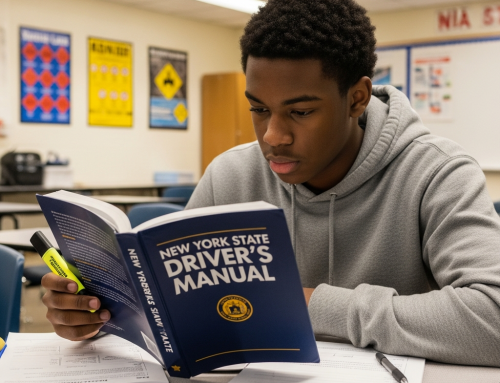
Bring a notebook – seriously. Not because there’s a test afterward (there isn’t), but because they’ll mention specific New York traffic laws that aren’t intuitive. Like how you can’t use your phone for GPS unless it’s hands-free mounted, or the exact rules about yielding to pedestrians in crosswalks.
Ask questions when something doesn’t make sense. The instructor has probably heard every possible scenario, and their real-world experience is often more valuable than what’s on the screen.
If you’re taking it online (yes, that’s an option now), don’t multitask. I know it’s tempting to have other tabs open, but you’ll miss important details. Plus, some online courses track your attention – clicking away might mean starting sections over.
After You’re Done – Don’t Just Forget Everything
Here’s something most people don’t realize: the defensive driving techniques they teach can actually lower your insurance premiums. Some insurance companies offer discounts for completing the course, even if you’re not a new driver. Call your insurance company – it’s worth asking about.
Keep practicing what they taught you about scanning for hazards and maintaining safe following distances. These aren’t just test-passing tips; they’re life-saving habits. The course might be required by law, but the skills? Those are required for staying safe on New York’s crazy roads.
And remember – completing this course doesn’t make you a perfect driver. It makes you a legal one. The real learning happens every time you get behind the wheel after this.
The Reality Check: What Actually Makes This Course Difficult
Let’s be honest – nobody’s excited about spending five hours learning defensive driving techniques when they’d rather be… well, doing literally anything else. But here’s the thing that catches most people off guard: it’s not the time commitment that trips them up. It’s everything else.
The biggest complaint I hear? “I’ve been driving for twenty years – why do I need someone to tell me how to check my blind spots?” That resistance is natural, but here’s where it gets tricky. You’re not just learning new information; you’re often having to unlearn habits that have become second nature. And that’s genuinely hard work for your brain.
The Attention Span Battle
Five hours feels manageable until you’re actually sitting there. Your mind starts wandering around hour two – especially if you’re taking the online version at home where Netflix is just one tab away. The course material isn’t exactly riveting (sorry, but it’s true), and instructors know this.
The fix? Break it up, even if you’re doing it all in one day. Take real breaks – not just bathroom breaks where you check your phone. Get up, move around, grab some fresh air. Your brain needs those resets. If you’re doing the online version, resist the urge to multitask. Close other tabs, put your phone in another room. I know it sounds dramatic, but divided attention means you’ll miss things and potentially have to retake sections.
The Technology Hurdles Nobody Warns You About
Here’s something that blindsides people: the tech requirements aren’t always straightforward. Sure, the course website says you need “internet access and a computer,” but what they don’t mention is that older browsers might glitch out, your connection needs to be stable for the entire session, and some sections require specific plugins or settings.
I’ve seen people get locked out of their progress because their browser crashed, or worse – complete the entire course only to find out their certificate didn’t generate properly. Always – and I mean always – test your setup beforehand. Log in, check that videos play smoothly, make sure your speakers work. It sounds paranoid, but spending ten minutes on a tech check can save you hours of frustration later.
The Scheduling Juggling Act
This is where life gets messy. You need five consecutive hours, but finding that block of time? That’s the real challenge. You’re juggling work schedules, family obligations, and trying to meet whatever deadline prompted you to take the course in the first place.
The classroom version seems straightforward – show up at 9, leave at 2 – but what happens when your kid gets sick that morning? Or your boss suddenly needs you for an “urgent” meeting? The online option gives you flexibility, but it also gives you the rope to hang yourself with. You think you can squeeze it in over several evenings after work, but then life happens, and suddenly you’re rushing through the last two hours at 11 PM, barely absorbing anything.
Here’s what works: Block out your time like it’s a medical appointment. Treat it as non-negotiable. If you’re doing it online, pick a day when you genuinely have minimal other commitments. Yes, that might mean using a vacation day or weekend time, but trying to multitask your way through this rarely ends well.
The Motivation Problem
Let’s address the elephant in the room – you probably don’t want to be here. Maybe you got a ticket, maybe it’s an insurance requirement, maybe work is making you do it. That lack of intrinsic motivation makes everything harder.
But here’s a reframe that actually helps: think of this as getting paid to learn. If you’re taking it for insurance discounts, you’re literally earning money by sitting there. If it’s for point reduction, you’re protecting your driving record – which protects your insurance rates, your job prospects if you drive for work, your ability to rent cars easily.
Making the Content Stick
The dirty secret of these courses? Most people forget half of what they learned within a week. You’re not trying to become a driving instructor; you’re trying to pass and move on with your life. That’s fine, but here’s the thing – some of this stuff might actually be useful.
Take notes, even if it feels silly. Not because you’ll study them later, but because the act of writing helps your brain process information. When they talk about stopping distances or reaction times, relate it to your actual daily drive. That abstract “3-second following distance” becomes more real when you think about your specific commute to work.
The course might be a requirement, but it doesn’t have to be torture. Work with the reality of what it is, prepare for the actual challenges, and you’ll get through it just fine.
What to Expect During Your 5-Hour Course
Look, I’ll be straight with you – sitting through five hours of driver education isn’t exactly what most people would call a thrilling Saturday. But here’s the thing… it’s actually designed to be more engaging than you might think.
Most driving schools break this up into manageable chunks. You’re not staring at a wall for five straight hours (thank goodness). Expect interactive discussions, video segments, and plenty of real-world scenarios that’ll actually stick with you. The instructors – at least the good ones – know that glazed-over students don’t retain much, so they keep things moving.
You’ll cover everything from basic traffic laws to defensive driving techniques. There’s usually a segment on road rage (more relevant than ever, honestly), weather-related driving challenges, and those tricky highway merging situations that stress everyone out. Some schools even throw in mock scenarios where you’ll discuss what you’d do in different situations.
The atmosphere? It varies by school, but most try to keep it relaxed. You’re there to learn, not to be tested on every single detail. Though… you will need to stay engaged. Instructors are required to make sure you’re actually participating, not just physically present while mentally planning your weekend.
Scheduling Your Course – The Reality Check
Here’s where things get interesting. In popular areas like Manhattan or Long Island, booking your 5-hour course isn’t always as simple as calling up and saying “I’m free next Tuesday.”
Many driving schools book out 2-3 weeks in advance, especially during busy periods like summer months when everyone’s trying to get their license. Holiday weekends? Good luck. You might be looking at a month wait.
But don’t panic – there are options. Some schools offer evening courses, weekend sessions, or even online hybrid formats (though New York requires the full five hours to be instructor-led, so fully online isn’t an option here). If you’re flexible with timing, you’ll have more choices.
Pro tip: call a few different schools in your area. Prices can vary by $50 or more, and availability differs significantly. That school across town might have an opening next week while your local spot is booked solid.
After You Complete the Course
Once you’ve survived those five hours, you’ll walk away with a completion certificate – and this little piece of paper is gold. You literally cannot take your road test without it.
The certificate doesn’t expire (thankfully), so if life gets in the way and you don’t take your road test for months, you’re still good. But here’s what happens next…
You’ll need to schedule your road test with the DMV. Fair warning – road test appointments can book up even further out than the 5-hour courses. We’re talking 6-8 weeks in some areas, sometimes longer if you’re picky about location or timing. The DMV isn’t exactly known for having surplus availability.
The Bigger Picture – Why This Actually Matters
I know, I know… it feels like jumping through hoops. Another requirement, another fee, another thing to schedule around work and life. But here’s what nobody really tells you – the statistics behind this requirement are pretty compelling.
States that implemented mandatory pre-licensing education saw significant drops in accidents among new drivers. We’re talking 20-30% reductions in crash rates during those crucial first few years of driving. That’s not just numbers on a page – that’s real people avoiding real accidents.
And honestly? Even experienced drivers who take these courses (sometimes for insurance discounts) often walk away having learned something new. Traffic laws change, driving patterns evolve, and bad habits creep in over time.
Setting Realistic Expectations
Will this course transform you into a perfect driver overnight? Absolutely not. Real driving skills come from practice, experience, and maybe a few close calls that teach you more than any classroom ever could.
What it will do is give you a solid foundation and help you think about driving more strategically. You’ll understand the “why” behind traffic laws, not just the “what.” And when you’re out there making split-second decisions at 55 mph, that deeper understanding actually matters more than you might think.
The investment – both time and money – is worth it. Not because some bureaucrat decided it should be required, but because it genuinely makes the roads safer for everyone. Including the people you care about most.
You know, when I first learned about this requirement, I’ll be honest – I thought it seemed like just another hoop to jump through. But the more I’ve dug into it, the more it makes sense. New York didn’t create this rule to make your life harder (though I know it might feel that way when you’re juggling everything else).
Think of it this way: you wouldn’t send someone into surgery without proper training, right? Driving might feel routine to most of us, but you’re basically operating a 3,000-pound machine at high speeds. The state wants to make sure new drivers – whether they’re 16 or 60 – have that solid foundation before they’re out there sharing the road with the rest of us.
And here’s something I find oddly comforting… this requirement means that everyone who got their license in New York after this rule went into effect has gone through the same process you’re about to tackle. That includes your neighbors, your coworkers, maybe even your kids. You’re not alone in this – it’s become a shared experience that connects New York drivers.
The five-hour course isn’t trying to trick you or make you fail. Actually, it’s quite the opposite. The instructors want you to succeed because, well, they want safe drivers on the roads too. They’ll cover everything from basic vehicle operation to defensive driving techniques, and honestly? Some of the stuff you’ll learn might surprise you. I’ve heard from plenty of people who thought they knew everything about driving, only to pick up genuinely useful tips they still use years later.
Sure, it means blocking out time in your schedule and spending some money you probably didn’t budget for. I get it – life’s expensive enough already. But when you break it down, you’re talking about five hours that could potentially save your life… or someone else’s. That’s not being dramatic – that’s just the reality of what proper driver education can do.
The paperwork, the scheduling, the sitting in a classroom when you’d rather be anywhere else – I know it all feels like a lot right now. But you’re closer to that license than you think. Once you’ve completed this course, you’ll have that certificate in hand, and you’ll be ready for the next step.
If you’re feeling overwhelmed by all the requirements or unsure about where to find an approved course, don’t stress about figuring it all out alone. Sometimes it helps to talk through your options with someone who knows the system inside and out. Whether you need help finding the right driving school, understanding what to expect from the course, or just want to double-check that you’ve got all your ducks in a row – we’re here for that.
You don’t have to navigate this process by yourself. Give us a call, send an email, or stop by when it’s convenient for you. We’ve helped countless New Yorkers work through these requirements, and we’d be happy to help you too. Because honestly? Getting your license should be exciting, not stressful.