Is the 5 Hour Course Mandatory for New York Drivers?
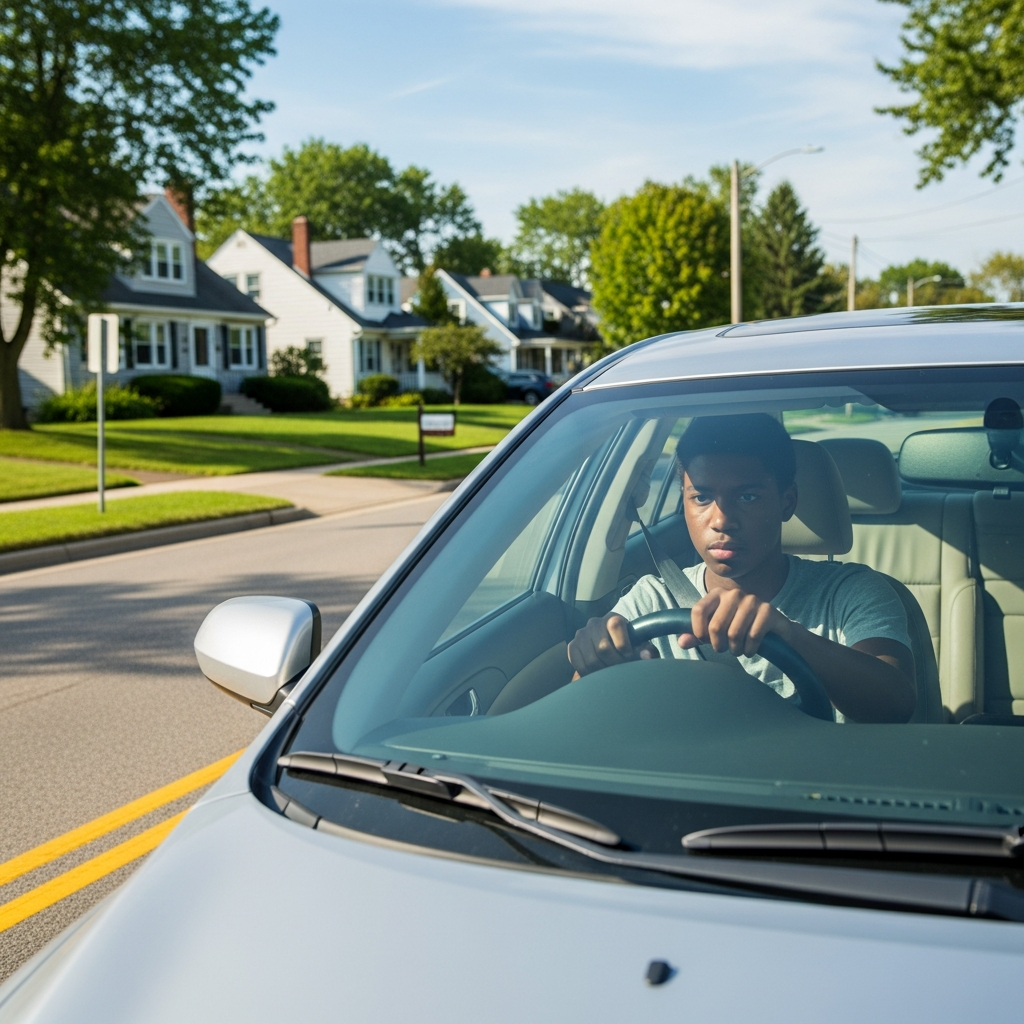
You’re sixteen, holding that crisp temporary permit, practically vibrating with excitement as you slide into the driver’s seat for the first time. Your parent’s knuckles are already white on the door handle, but you don’t care – you’re about to taste freedom. Fast forward a few months, and reality hits: there’s a mountain of requirements standing between you and that coveted New York driver’s license. And somewhere in that pile of paperwork and regulations, you keep hearing whispers about something called the “5 Hour Course.”
Maybe you’re not sixteen. Maybe you’re twenty-five and finally decided it’s time to stop relying on the subway and Uber (your bank account is screaming, isn’t it?). Or perhaps you’re a parent watching your teenager navigate this whole process, feeling just as confused as they are. Either way, you’ve probably found yourself staring at the DMV website at 2 AM, trying to decode what feels like legal hieroglyphics.
Here’s the thing about New York’s driving requirements – they’re about as straightforward as assembling IKEA furniture without the instruction manual. Everyone seems to have a different story about what they had to do, what they skipped, and what nearly derailed their plans to get behind the wheel legally.
“Oh, you definitely need that 5-hour thing,” your coworker mentions casually. But then your neighbor shrugs and says, “I don’t remember doing anything like that.” Your teenager’s friend claims they did it online in their pajamas, while another swears they had to sit in an actual classroom for what felt like an eternity. So… which is it?
The confusion is real, and honestly? It’s totally understandable. New York’s got layers of requirements that depend on your age, when you got your permit, whether you’ve taken driver’s ed, and probably what you had for breakfast (okay, maybe not that last one, but it feels that complicated sometimes).
And let’s be honest about why this matters beyond just checking boxes for the DMV. That little rectangle of plastic represents so much more than the right to drive. It’s independence. It’s not having to awkwardly ask for rides or calculate whether you can afford another rideshare trip. It’s being able to help out when your friend’s car breaks down, or spontaneously deciding to drive to that new taco place across town without consulting three different transit apps.
For parents, it’s watching your kid take another step toward adulthood – thrilling and terrifying in equal measure. You want them to be prepared, really prepared, not just technically legal. Because frankly, the difference between a new driver who truly understands the responsibility they’re taking on and one who’s just learned to parallel park well enough to pass a test… well, that difference could save lives.
The 5 Hour Course sits right in the middle of all this. It’s not driver’s ed – that’s something different entirely. It’s not the road test – though it might help you pass it. It’s this specific requirement that some people need and others don’t, and figuring out which category you fall into can feel like solving a puzzle designed by someone who really, really likes making things complicated.
But here’s what we’re going to do – we’re going to cut through all that confusion together. I’m going to walk you through exactly who needs this course (spoiler: it’s not everyone), what it actually involves (hint: it’s not as bad as you think), and how to get it done without losing your mind or your wallet.
We’ll talk about the real costs – both the dollars you’ll spend and the time you’ll invest. I’ll share what actually happens during these five hours, because knowing what to expect always makes things less intimidating. And yes, we’ll tackle those burning questions about online versus in-person options, because let’s face it – if you can do this from your couch, you probably want to know about it.
By the time we’re done here, you’ll know exactly where you stand with this requirement. No more midnight DMV website deep-dives, no more conflicting advice from well-meaning relatives. Just clear, straightforward answers that’ll get you one step closer to that license – and everything it represents.
What Actually Makes This Course Different
Here’s the thing about New York’s pre-licensing course – it’s not your typical driver’s ed situation. Think of it like the difference between reading a cookbook and actually cooking a meal. Most states let you study the manual, take the test, and call it good. New York? They want you in that kitchen, apron on, actually learning to cook.
The five-hour course isn’t about driving at all. I know, I know… that sounds completely backwards for something related to getting your license. But stick with me here. You won’t touch a steering wheel during these five hours. Instead, you’re getting the equivalent of a crash course (pun intended) in everything they wish they could tell you before you start making life-and-death decisions at 65 mph.
Breaking Down the “Why” Behind the Rule
New York implemented this requirement back in the day because – and this might surprise you – teenagers weren’t great at understanding consequences. Shocking, right? But seriously, the state noticed that new drivers, especially younger ones, were getting into trouble not because they couldn’t parallel park, but because they didn’t understand things like… oh, how alcohol actually affects your reaction time, or why that text message really can wait.
The course covers stuff that sounds boring but is actually pretty eye-opening. We’re talking about how your brain works when you’re stressed, why peer pressure in a car is different from peer pressure anywhere else, and what happens to your body during a collision. It’s like getting the director’s commentary on driving – all the behind-the-scenes stuff that makes the main feature make sense.
The Mandatory Question – Where It Gets Tricky
Now here’s where things get a bit… well, it depends on what you mean by “mandatory.” If you’re under 18 in New York, then yes – absolutely, no question, you need this course before you can even think about taking your road test. It’s as required as showing up with pants on.
But if you’re 18 or older? That’s where it gets interesting. You can technically skip the course and go straight to your road test. However – and this is a big however – many driving schools and instructors will still recommend it, especially if you’re a brand-new driver. Think of it like wearing a helmet while biking. Nobody’s going to arrest you for not wearing one as an adult, but…
What You Actually Learn (And Why It Matters)
The course breaks down into chunks that actually make sense when you think about it. There’s a section on alcohol and drugs that goes way beyond “don’t drink and drive.” They get into the science of impairment – like how you can feel totally fine but still have reaction times slower than your grandmother’s dial-up internet.
Then there’s defensive driving techniques, which sounds fancy but basically means “how not to be that person who causes accidents.” This isn’t about three-point turns or highway merging… it’s more like learning to read the room, except the room is full of two-ton metal objects moving at high speeds.
The attitude and behavior section is probably the most important, though it sounds the most touchy-feely. They talk about road rage (spoiler alert: it’s not worth it), how to handle peer pressure when your friends want you to drive faster, and – this one’s crucial – how to recognize when you shouldn’t be driving at all.
The Instructor Factor
One thing that makes this course different from just reading a manual is that you’ve got an actual human being there to answer your weird questions. You know, the ones you’re embarrassed to ask but really need to know. Like “What if I accidentally cut someone off?” or “Is it really illegal to drive barefoot?” (It’s not, by the way, but flip-flops can be dangerous.)
These instructors have usually seen it all. They’ve got stories that’ll make you think twice about certain decisions, and they can spot the gaps in your knowledge that you didn’t even know existed. It’s like having a knowledgeable older sibling walk you through all the stuff your parents forgot to mention.
The whole thing wraps up with a certificate that you’ll need to bring to your road test. Think of it as your golden ticket – except instead of getting into a chocolate factory, you’re getting permission to operate heavy machinery on public roads. Which, when you put it that way, seems like something worth spending five hours on, doesn’t it?
What Actually Happens If You Skip the Course
Here’s the thing nobody tells you upfront – if you don’t complete your 5-hour course, the DMV won’t even look at your road test application. It’s like showing up to a restaurant without a reservation… they’ll just send you home.
I’ve seen countless students think they can schedule their road test first and squeeze in the course later. Nope. The system literally won’t let you book that appointment without your course completion certificate in hand. And trust me, trying to explain to the DMV clerk that you’ll “definitely get it done next week” is about as effective as arguing with a parking meter.
Finding the Right Course Provider (Without Getting Scammed)
Not all driving schools are created equal – some are fantastic, others… well, let’s just say they’re more interested in your money than your education. Here’s how to spot the good ones
Look for schools that offer flexible scheduling options. Life happens, right? The best providers understand you might need to reschedule or can’t commit to a rigid 5-hour block. Some places even break it into smaller sessions – maybe two 2.5-hour chunks or even individual hours spread across different days.
Check their Google reviews, but here’s the insider tip: don’t just read the 5-star reviews. The 3-star reviews tell the real story. They usually mention specifics like “instructor was knowledgeable but the classroom was freezing” or “material was good but parking was terrible.” These details matter more than generic praise.
Also – and this might save you some serious frustration – call them directly. Don’t just rely on their website. Ask about their pass rates for the road test (good schools track this), whether they provide the certificate immediately after completion, and if they offer any road test prep beyond just the mandatory course.
Timing Your Course Strategically
Most people rush through this without thinking, but timing actually matters more than you’d expect. Here’s what I’ve learned from watching hundreds of students navigate this process
Don’t take the course too early. I know, I know – you want to get it out of the way. But here’s the catch: some of the material you’ll learn is actually helpful for your road test, and if you take the course months before your test, you’ll forget half of it. The sweet spot? About 2-4 weeks before your planned road test date.
Avoid Friday afternoon sessions if possible. Instructors are tired, other students are checked out mentally, and everyone just wants to get home for the weekend. Tuesday through Thursday morning sessions tend to be more focused and engaging.
Making the Most of Those 5 Hours
Look, let’s be honest – 5 hours in a classroom talking about driving can feel like watching paint dry. But since you’re stuck there anyway, you might as well get something valuable out of it.
Take notes. Not because anyone’s checking, but because some instructors drop golden nuggets about local road test routes. They might mention that “the examiner at the Westchester location really focuses on parallel parking” or “they always test three-point turns on Oak Street.” This isn’t official information, but… it’s not nothing, either.
Ask questions about scenarios you’re actually worried about. Most instructors have decades of experience and love sharing war stories. Ask about night driving, highway merging, or whatever keeps you up at night about driving. The course curriculum might be set, but good instructors will weave your concerns into their examples.
Getting Your Certificate (And Not Losing It)
This seems obvious, but you’d be amazed how many people mess this up. Most schools give you a certificate immediately after completion – but some mail it or require you to pick it up later. Confirm this before you start the course. The last thing you want is to finish your 5 hours on a Friday and discover you can’t get your certificate until the following Monday.
Make copies. Seriously. Make at least three copies of that certificate – one for your DMV appointment, one as backup, and one to keep at home. The DMV has been known to keep certificates, and if you need to reschedule your road test, you’ll need another copy.
And here’s a pro tip from someone who’s seen this drama unfold too many times: take a photo of your certificate with your phone the moment you receive it. Technology isn’t foolproof, but it’s better than nothing if the paper copies go missing.
The Stuff Nobody Warns You About
Look, I’ll be straight with you – the 5-hour pre-licensing course isn’t exactly a walk in the park, even though it’s supposed to be pretty straightforward. You’d think sitting in a classroom for five hours would be the easy part before you even touch a steering wheel, but… well, there are some things that catch people off guard.
The biggest shock? It’s actually five hours. I know that sounds obvious, but when you’re used to scrolling through your phone every few minutes, sitting still and paying attention for that long feels like forever. Your back starts aching around hour three, your brain turns to mush by hour four, and you’re questioning all your life choices by the time you see the finish line.
And here’s the kicker – you can’t just zone out and get your certificate. Most schools require active participation, and some even have mini-quizzes throughout. Miss too much, and you might find yourself doing this all over again.
The Scheduling Nightmare
Finding the right time slot is harder than you’d expect. Weekend classes? Booked solid for weeks. Evening sessions? Usually packed with other working adults who had the same brilliant idea.
The Monday morning slots are always available (wonder why?), but taking time off work just for this feels excessive. Plus, if you’re planning to take your road test soon after, you need to factor in that timeline too – some driving schools get annoyed if there’s too much gap between your 5-hour course and when you actually want to start lessons.
Here’s what actually works: Book way ahead – like, two months ahead. I’m serious. Also, check if any schools in neighboring areas have better availability. Sometimes driving 20 minutes farther gets you a slot that fits your schedule perfectly.
When the Material Feels Pointless
Let’s be honest – parts of this course can feel pretty disconnected from real driving. You’re learning about stopping distances and reaction times, but you’ve never actually felt what it’s like to brake hard or merge into traffic. It’s like learning to swim by reading about water.
Some instructors make it worse by droning through PowerPoint slides that look like they’re from 2003. The videos? Often cheesy and outdated. You’ll watch scenarios that feel nothing like the actual roads you’ll be driving on.
But here’s the thing – there’s usually gold hidden in there. The defensive driving techniques, the stuff about how alcohol affects your vision, the rules about right-of-way that seem confusing until you’re actually at that intersection wondering who goes first. Pay attention to the practical stuff, even when the delivery is less than thrilling.
The “Am I Actually Learning?” Doubt
Around hour three, this creeping feeling hits: Am I actually getting anything out of this, or am I just checking a box? It’s especially frustrating when you feel ready to start actually driving, but you’re stuck learning about the anatomy of a car engine.
This doubt is normal, and honestly… sometimes it’s justified. Not all courses are created equal. But remember – this isn’t meant to teach you how to drive. It’s laying groundwork for the concepts your driving instructor will build on later. Think of it as learning the vocabulary before you start having conversations.
The Certificate Panic
Nothing quite matches the panic of walking out of that classroom and immediately thinking: “Wait, where did I put that certificate?” You need that piece of paper for everything – getting your permit, starting driving lessons, taking your road test. Lose it, and you’re back to square one.
Pro tip: Take a photo of it with your phone the second you get it. Email it to yourself. Make copies. This isn’t being paranoid – this is learning from everyone who came before you and had to retake the entire course because their certificate got coffee spilled on it.
Making It Actually Worth Your Time
The best way to get through this? Show up with the right mindset. You’re not just killing time – you’re building the foundation for something you’ll use literally every day for the rest of your life.
Ask questions, even if they seem basic. Take notes on stuff that surprises you. And honestly? Try to enjoy the absurdity of it all. You’re in a room full of nervous teenagers and adults who haven’t been in a classroom in years, all trying to figure out this driving thing together.
It’s weird, it’s long, and sometimes it’s boring. But it’s also your first official step toward the freedom that comes with having a license in New York.
What Actually Happens After You Take the Course
So you’ve wrapped up your 5-hour pre-licensing course – congratulations! But here’s the thing everyone forgets to mention: this is really just the beginning. I know, I know… you probably thought checking this box meant you were practically ready to cruise down the FDR Drive. Not quite.
The course completion certificate you’ll receive is valid for one full year from the date you finished. That’s actually pretty generous when you think about it – gives you plenty of time to get your act together with the actual road test. But here’s what’s realistic: most people need at least 2-3 months of practice driving before they’re truly ready for that test.
And let’s be honest about something else… that 5-hour course? It’s mostly theoretical. You’ll learn about right-of-way rules, what different road signs mean, how alcohol affects your driving (spoiler: not well). But you won’t actually get behind the wheel during those five hours. So don’t expect to walk out feeling like a confident driver – that comes later.
The Practice Period – Here’s Where the Real Learning Happens
After you complete the course, you can apply for your learner’s permit. This is when things get interesting… and slightly terrifying for your parents or whoever’s brave enough to sit in the passenger seat with you.
Most people need 20-40 hours of practice driving before they’re road-test ready. I’ve seen confident teenagers think they’ll nail it after 10 hours, and I’ve seen anxious adults who need 60+ hours before they feel comfortable. Both are completely normal.
Here’s what typically happens during those practice months
– First few drives: Everything feels overwhelming. You’ll probably grip the steering wheel like it’s trying to escape – Weeks 2-4: Parking becomes your nemesis. Seriously, why didn’t anyone mention how hard it is to park between two cars? – Month 2: You start feeling more natural, but intersections still make your palms sweaty – Month 3+: You’re actually enjoying driving… most of the time
Scheduling Your Road Test – The Reality Check
Once you feel ready (and your practice supervisor agrees), you’ll schedule your road test. Fair warning: depending on where you are in New York, wait times can be… frustrating. In some areas, you might get an appointment within 2-3 weeks. In others – particularly around NYC – you could be waiting 6-8 weeks or more.
Pro tip: Check multiple testing locations if you’re willing to travel. Sometimes a DMV office an hour away has appointments available much sooner.
What If You Don’t Pass the First Time?
Let’s address the elephant in the room – not everyone passes their road test on the first attempt. Actually, about 40% of people need to take it more than once, so if that happens to you… you’re in good company.
If you don’t pass, you can retake the test, but there’s usually a waiting period (typically 2-14 days, depending on the office). Use this time wisely – practice whatever specific skills the examiner noted you need to work on. Most common issues? Parallel parking, checking blind spots consistently, and being overly cautious at intersections.
Managing Your Expectations – The Honest Truth
Here’s something driving schools don’t always tell you upfront: becoming a truly confident driver takes months, not weeks. Even after you pass your road test and get that shiny new license, you’ll probably feel nervous for a while. That’s completely normal.
Your first few solo drives might feel intense. Highway driving? That’s a whole different skill set you’ll develop gradually. Night driving, driving in rain, navigating unfamiliar areas – these all come with time and experience.
Planning Your Timeline Realistically
If you’re starting from scratch, here’s a reasonable timeline
– Complete 5-hour course: 1 day (obviously) – Get learner’s permit: 1-2 weeks after course – Practice driving period: 2-4 months – Road test scheduling and completion: Add another 1-2 months for scheduling delays – Total time from course to license: 4-6 months
This isn’t a race, though. Some people take longer, some move faster. The goal isn’t just to pass a test – it’s to become a safe, confident driver who won’t terrify other people on the road.
Remember, that 5-hour course is just your entry ticket to the real learning experience. The actual driving skills? Those come from practice, patience, and probably a few moments of “oh no, what am I doing?” – which, by the way, even experienced drivers have sometimes.
Making Sense of It All
Look, I get it – navigating New York’s driving requirements can feel like trying to solve a puzzle while blindfolded. You’re juggling work, family, maybe school… and now there’s this course requirement hanging over your head. It’s just one more thing on an already overwhelming list, right?
But here’s the thing I want you to remember: you’ve got this. Whether you’re a brand-new driver feeling nervous about that first solo trip, or someone who’s been putting off getting their license for way too long (no judgment here – life happens), taking that five-hour course isn’t just about checking a box. It’s actually… well, it’s kind of like having a really good conversation with someone who’s been there before.
Think about it this way – you wouldn’t jump into a pool without knowing how deep it is, would you? The pre-licensing course is basically your depth gauge for New York roads. Sure, it might seem like a hassle now, but those five hours could literally save your life. Or someone else’s. And honestly? That’s worth way more than the time and money you’ll invest.
The reality is that New York takes road safety seriously – sometimes frustratingly so – but there’s good reason behind these requirements. Every year, we see how proper education makes a real difference. Not just in passing tests, but in creating drivers who actually know what they’re doing out there.
I’ve watched so many people stress about this requirement, thinking it’s some impossible hurdle. But you know what happens? They take the course, often learn things they never expected, and walk away feeling more confident. Not just about driving, but about handling one more adult responsibility. That’s actually pretty empowering when you think about it.
And if you’re feeling overwhelmed by all the steps – the permit, the course, the road test, the insurance questions – remember that thousands of people figure this out every single day. You’re not behind schedule. You’re not too old, too young, or too anything. You’re exactly where you need to be right now.
You Don’t Have to Figure This Out Alone
Listen, managing your health and wellness while dealing with life’s practical challenges (like getting your license) can feel like a balancing act on a tightrope. Sometimes we get so caught up in checking off requirements that we forget to take care of ourselves in the process.
If you’re feeling stressed about any of this – whether it’s the driving course, managing your weight, or just feeling overwhelmed by adult responsibilities – we’re here. Really. Our team understands that wellness isn’t just about the number on the scale. It’s about feeling confident and capable in all areas of your life.
Why not give us a call? We’d love to chat about how we can support you, whether that’s helping you develop healthy stress management techniques or creating a sustainable approach to wellness that fits your actual life. No pressure, no sales pitch – just real people who genuinely want to help you feel your best.
You’ve got more strength than you realize. Let us help you tap into it.