10 Tips to Get the Most Out of Your 5 Hour Driving Course
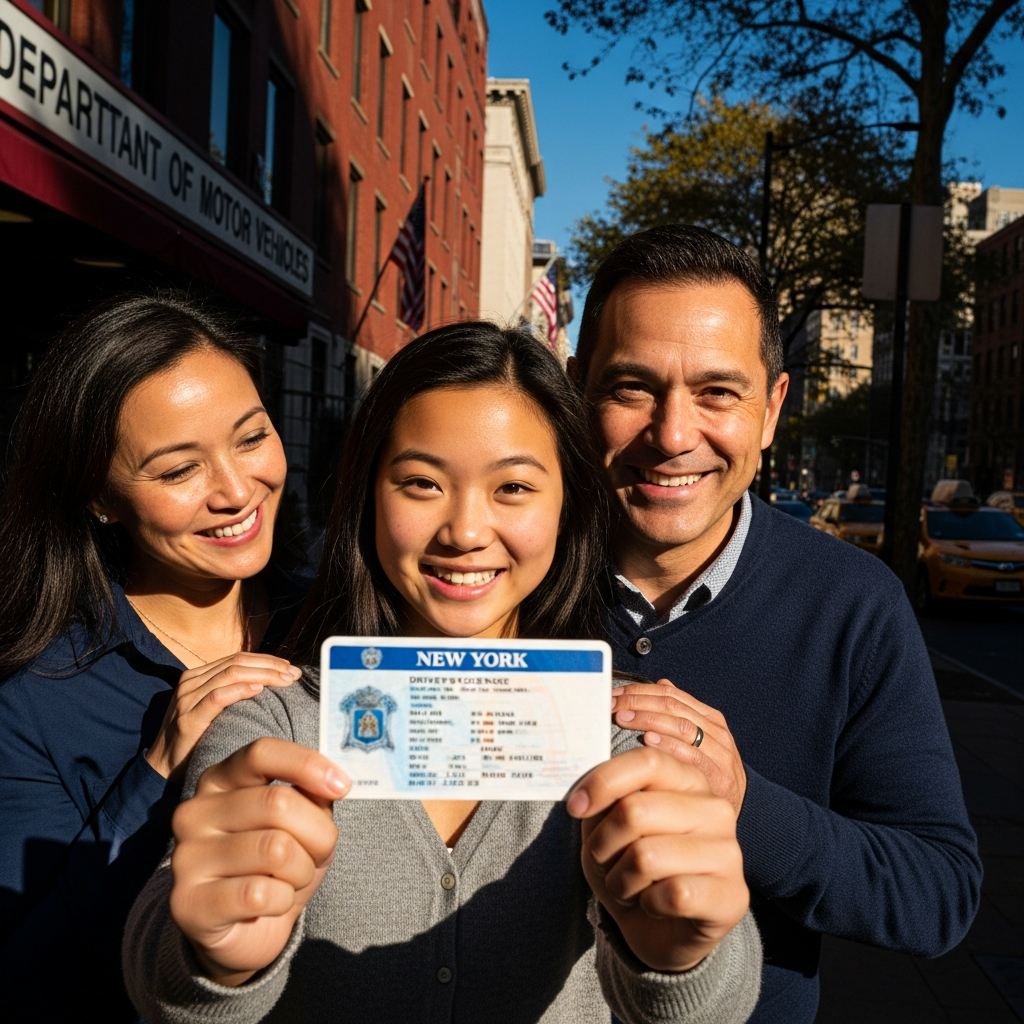
You’re sitting in your car outside the driving school, engine off, palms slightly sweaty. Maybe you’re 16 and this is your first real step toward freedom. Or perhaps you’re 35, finally getting that license you’ve been putting off for… well, let’s not count the years. Either way, you’ve got five hours ahead of you – five hours that could be the difference between becoming a confident driver or just someone who technically passed a test.
Here’s the thing about driving courses: they’re not all created equal. And more importantly? You’re not just a passive passenger in this process.
I remember talking to Sarah last month – she’d just finished her five-hour course and was practically bouncing with excitement. “I thought it would be boring,” she told me, “just sitting there listening to someone drone on about road signs. But I actually learned things that… God, I wish I’d known years ago when I was white-knuckling it through every intersection.”
Then there’s Mike. Same course, different instructor, walked out feeling like he’d wasted an entire Saturday. The difference? Sarah knew how to make those five hours work for her.
That’s what we’re talking about here – not just surviving your driving course, but actually getting something valuable out of it. Because let’s be honest… five hours is simultaneously forever and no time at all. It’s long enough to feel like you’re trapped in a classroom (especially if you’re someone who learns better by doing), but it’s also barely enough time to cover everything you really need to know about navigating the roads safely.
Think about it this way: you’re essentially downloading years of driving wisdom in one concentrated session. That’s like trying to drink from a fire hose while someone’s also teaching you how to aim it. Without the right approach, you’ll end up soaked, confused, and probably missing the most important parts.
But here’s what I’ve learned from talking to hundreds of people who’ve been through these courses – both the ones who loved it and the ones who… didn’t. The secret isn’t in the curriculum or even the instructor (though those matter). It’s in how you prepare, how you participate, and how you process everything afterward.
You see, most people walk into these courses thinking they’re just checking a box. Get the certificate, satisfy the requirement, move on with life. And sure, that’s technically what you’re doing. But you’re also getting access to someone who’s seen every possible driving mistake, every type of road hazard, every weather condition challenge you can imagine. That’s… actually pretty valuable when you think about it.
The people who get the most out of these five hours? They treat it like they’re learning a life skill – which, let’s face it, they are. They ask the weird questions (yes, even the ones that feel obvious). They connect the dots between the theory and what they’ve experienced in real life. They think beyond just passing whatever test comes next.
Because driving isn’t really about memorizing how many feet you should stay behind another car. It’s about developing instincts that keep you safe when that deer jumps out of nowhere, or when the person in front of you slams their brakes for reasons you can’t see yet, or when you’re driving in rain for the first time and suddenly understand why everyone talks about “hydroplaning” with such concern.
Your five-hour course can be the foundation for all of that… or it can be five hours you’ll barely remember next month. The choice – and it really is a choice – is yours.
So whether you’re nervous about being in a classroom setting, worried you won’t understand something, or just trying to figure out how to make the time pass faster, we’re going to walk through exactly how to transform those five hours into something genuinely useful. No fluff, no generic advice – just the practical stuff that actually makes a difference when you’re behind the wheel later.
Ready? Let’s make sure you don’t just survive your driving course – let’s make sure you actually get something out of it.
Why These Five Hours Matter More Than You Think
Look, I get it. When you first hear “5-hour driving course,” your brain probably goes straight to sitting in some stuffy classroom watching outdated videos about three-point turns. But here’s the thing – and this might surprise you – these courses aren’t really about driving at all.
They’re about rewiring your brain.
Think of your current driving habits like a well-worn path through the woods. You’ve been walking that same route for years, maybe decades. Your feet know exactly where to step, which branches to duck under, where the ground gets muddy. You could probably do it blindfolded. And that’s exactly the problem.
The Muscle Memory Trap
Here’s something that sounds backwards but stick with me: being an experienced driver can actually make you a worse student. I know, I know – it sounds crazy. But when you’ve been driving for years, your brain has essentially put most of your driving on autopilot. You’re not consciously thinking about checking your blind spots or maintaining following distance… you’re thinking about your grocery list or that conversation you had yesterday.
This is what psychologists call “automatic processing,” and while it’s great for efficiency, it’s terrible for learning new things. Your 5-hour course is basically asking you to wake up parts of your brain that have been snoozing behind the wheel for years.
What’s Actually Happening in There
Most people think defensive driving courses are just about rules and regulations – and sure, there’s some of that. But the real magic happens when you start connecting dots you never noticed before. Like how that feeling of being “cut off” might actually be your own following-too-closely problem. Or how what feels like “bad luck” with aggressive drivers might be patterns you can actually predict and avoid.
It’s a bit like… have you ever learned to identify birds? At first, they’re all just “brown bird” or “black bird.” But once someone teaches you what to look for – the wing shape, the flight pattern, the way they move – suddenly you start seeing hawks and sparrows and finches everywhere. They were always there; you just didn’t know how to see them.
That’s what happens with hazard recognition. The course teaches you a new visual vocabulary for the road.
The Attitude Adjustment Nobody Talks About
Here’s where things get a little uncomfortable, and honestly, this is the part most people resist the most. These courses don’t just change how you drive – they change how you think about other drivers.
We all have this running narrative in our heads while we’re driving. “This idiot doesn’t know how to merge.” “Where did this person learn to drive?” “Are you kidding me right now?” The course essentially asks you to rewrite that internal script, and… well, that can feel weird at first.
It’s not about becoming some zen master of the highway (though wouldn’t that be nice?). It’s more about shifting from being a victim of traffic to being someone who can actually influence what happens around them.
The Science Behind the Strategy
What makes these courses effective isn’t just the information – it’s the timing and the method. Adult learning research shows that we absorb new concepts best when we can immediately see how they apply to our real experiences. That’s why the best 5-hour courses don’t just lecture at you; they get you thinking about specific situations you’ve been in.
Remember that time you almost got sideswiped changing lanes? Or when someone ran that red light and you had to slam on your brakes? Those aren’t just random scary moments – they’re data points. The course helps you decode what actually happened and, more importantly, what you could do differently next time.
Setting Realistic Expectations
Let’s be honest about something: you’re not going to leave this course driving like a completely different person. Change doesn’t work that way, especially with habits as ingrained as driving. What you will get is a toolkit – a collection of strategies and awareness techniques that you can gradually integrate into your regular driving routine.
Think of it less like flipping a switch and more like… adjusting the lens on a camera. Same view, but suddenly everything’s in much sharper focus.
Show Up Like You Mean It (But Not Like a Robot)
Here’s something most people won’t tell you – your instructor can spot a disengaged student from a mile away. And honestly? They’re way more likely to share the good stuff with someone who actually seems to care.
Come prepared with real questions, not just “what do I need to pass?” Think about specific situations that make you nervous. Maybe it’s parallel parking in your neighborhood, or that horrifying merge onto the highway near your work. Write these down beforehand… seriously, your brain will go blank the second you get behind the wheel.
Master the Art of Strategic Note-Taking
Forget trying to write down everything your instructor says – you’ll miss half the actual driving. Instead, develop a quick shorthand system. When they mention something important, repeat it back to them while you’re driving. “So you’re saying I should check my blind spot twice before changing lanes on busy streets?”
This does two things: confirms you heard correctly, and – here’s the secret – it shows your instructor you’re actually processing their advice. They’ll remember this and give you more detailed feedback.
Pick Your Battles with Bad Habits
Look, we all have them. Maybe you rest your hand on the gear shift, or you’ve been doing that weird thing with your mirrors for years. Don’t try to fix everything at once – you’ll overwhelm yourself and probably drive like a nervous wreck.
Instead, ask your instructor to focus on your top two worst habits. Master those during your course, then work on the rest later. Your instructor will appreciate the focused approach, and you’ll actually retain what you learn instead of feeling like you’ve been hit with a fire hose of information.
Use Those Practice Scenarios Like Gold
Most driving courses include practice scenarios – emergency stops, three-point turns, backing up. Here’s what nobody tells you: these aren’t just checkbox exercises. They’re your chance to fail safely and learn from it.
Don’t just go through the motions. Ask your instructor to make them harder. “What if there was a car parked there?” “What if it was raining?” Push yourself during these controlled situations, because that’s when the real learning happens. Plus, you’ll feel way more confident when these situations pop up in real life.
Speak Up About Your Actual Driving Environment
This is huge – and most people completely miss it. Tell your instructor where you actually drive. If you live in the suburbs but work downtown, make sure you practice both. If you regularly drive in construction zones (don’t we all these days?), ask to practice navigating lane shifts and temporary signals.
Your instructor can simulate a lot of real-world conditions during your course, but only if they know what you’re dealing with. That nightmare intersection near your house? Describe it. They might know exactly what you’re talking about and have specific tips.
Turn Mistakes into Learning Goldmines
When you mess up – and you will – resist the urge to apologize and move on quickly. Instead, ask your instructor to explain what went wrong and why. “I know I took that turn too wide, but I’m not sure why it happened. Can we try it again?”
Most instructors love this question because it shows you want to understand, not just complete the task. They’ll often break down the mechanics of what happened, which helps prevent the same mistake later.
Plan Your Post-Course Practice Strategy
About halfway through your course, start planning what you’ll practice afterward. Ask your instructor which skills need the most work, and get specific recommendations. Should you focus on highway merging? Parking? Night driving?
Get them to suggest safe places to practice these skills. They know the area and can recommend quiet parking lots for parallel parking practice or less intimidating highways for building confidence. Some instructors will even draw little maps or give you specific route suggestions.
Actually, that reminds me – many instructors are happy to let you text them questions after the course ends, especially if you’ve been a engaged student. Don’t abuse this, but knowing you have that safety net can be incredibly reassuring during those first few weeks of solo driving.
The bottom line? Your driving instructor wants you to succeed. The more you engage with the process, ask thoughtful questions, and show genuine interest in improving, the more they’ll invest in your success. It’s really that simple.
When Your Brain Feels Like Mush (And Your Eyes Won’t Focus)
Let’s be real – sitting through five hours of driving instruction isn’t exactly a Netflix binge. Around hour three, your brain starts playing tricks on you. The instructor’s voice becomes background noise, road signs blur together, and you’re pretty sure you just nodded off for a second there.
This mental fatigue isn’t just annoying… it’s dangerous. You’re trying to absorb critical safety information, and your neurons are basically on strike.
The fix? Stop fighting it. Take actual breaks, even if they’re not scheduled. Step outside, do some jumping jacks, splash cold water on your face. I know it sounds silly, but your brain needs oxygen and movement to process all this new information. Think of it like rebooting your computer when it starts running slow.
Also – and this might sound counterintuitive – don’t caffeinate yourself into oblivion. That jittery, over-caffeinated feeling makes it harder to focus on the subtle skills you’re learning. Stick to water and maybe one normal coffee.
The Parking Lot Panic Attack
Here’s what nobody warns you about: that first moment behind the wheel can be absolutely terrifying. Even in an empty parking lot, even with an instructor right there, your heart rate spikes and suddenly you can’t remember which pedal does what.
You’re not broken. You’re not a bad driver. You’re having a completely normal response to controlling a 3,000-pound machine for the first time (or first time in a while).
The trick is to acknowledge the fear instead of pretending it doesn’t exist. Tell your instructor you’re nervous – they’ve seen it a thousand times before. Start ridiculously slow. Like, embarrassingly slow. Who cares if other people are doing figure-eights while you’re still getting comfortable with straight lines?
Breathing actually helps here – not the “just breathe” advice everyone gives, but specific breathing. Before you start the car, take three deep breaths that are longer on the exhale. It activates your parasympathetic nervous system and literally calms your body down.
Information Overload (AKA When Everything Feels Important)
Your instructor is throwing information at you like a fire hose, and you’re trying to catch it with a teacup. Check your mirrors every 8-12 seconds! Signal 100 feet before turning! Watch for pedestrians! Check your blind spots! Maintain proper following distance!
It’s like trying to pat your head, rub your stomach, and solve calculus problems simultaneously.
Here’s the thing: you don’t have to master everything at once. Pick one or two things to focus on during each driving session. Maybe today it’s just mirror checks and signaling. Tomorrow you can add proper lane positioning. Your brain can only build so many new neural pathways at once – trying to do everything perfectly just creates chaos.
Write down the most important points after each session. Not everything – just the stuff that felt really hard or really important. Your future self will thank you.
The Comparison Trap
Oh, look – there’s someone who picked up parallel parking on their first try. There’s another person who seems to naturally know when to merge. And here you are, still trying to figure out how much pressure to put on the brake pedal without giving everyone whiplash.
Stop it. Just… stop.
Everyone learns differently. Some people are natural feel-for-it drivers. Others (maybe you?) need to understand the mechanics and logic first. Neither approach is better – they’re just different paths to the same destination.
Focus on your own progress. Can you do something today that you couldn’t do yesterday? Great. That’s literally all that matters.
The Overthinking Spiral
This one’s sneaky. You start analyzing every tiny movement, second-guessing every decision, turning simple tasks into complicated mental gymnastics. Should I turn the wheel more? Am I too close to the curb? Was that turn signal too early or too late?
Driving is ultimately a physical skill, like riding a bike or playing piano. The more you overthink it, the more awkward and jerky your movements become. Sometimes you need to quiet that analytical voice and trust your instincts to develop.
Practice the boring stuff until it’s automatic. Adjust your mirrors, check your seat position, start the car – make these things so routine that you don’t have to think about them. That frees up mental space for the actually challenging parts.
Remember: everyone who’s ever learned to drive has felt overwhelmed at some point. The difference between people who succeed and people who don’t? The successful ones keep showing up, even when it feels impossible.
What to Expect After Your 5-Hour Course
Look, I’m going to be honest with you – walking out of your 5-hour course doesn’t mean you’re suddenly Mario Andretti behind the wheel. That’s totally normal, and honestly? Anyone who expects to feel completely confident after just five hours probably hasn’t thought this through.
Think of it like learning to cook. You can watch Gordon Ramsay demonstrations for hours, but the first time you try to make that perfect omelet… well, let’s just say it might look more like scrambled eggs. The course gives you the foundation – the rules of the road, basic safety concepts, and that all-important certificate you need for insurance discounts. But actual driving confidence? That’s going to take time.
Most people leave feeling like they understand traffic laws better (which is great!), but still pretty nervous about actually getting behind the wheel. That weird mix of “I learned so much” and “I still don’t feel ready” – that’s exactly where you should be.
The Real Timeline for Getting Comfortable
Here’s what nobody tells you: it takes most new drivers about 6 months of regular driving to start feeling genuinely comfortable. Not just “white-knuckling the steering wheel” comfortable, but actually relaxed.
In your first month, you’ll probably still feel your heart rate spike when changing lanes or parallel parking (if you’re brave enough to attempt it). By month three, basic driving starts feeling more automatic – you’re not consciously thinking about every single thing. Around the six-month mark is when most people notice they’re actually enjoying driving instead of just surviving it.
That said, some folks click with it faster, others take longer. I know someone who took almost a year to feel confident driving at night… and honestly, good for her for recognizing her limits and building up gradually.
Your Next Steps (The Practical Stuff)
First things first – schedule your road test if you haven’t already. Most DMV locations are booking weeks or even months out, so don’t wait. You can always reschedule if you need more practice time, but at least you’ll have a date on the calendar.
Before that test, you’ll want to get some actual driving experience. If you’ve got a patient family member or friend willing to sit in the passenger seat… well, brace them for some interesting conversations. Professional driving lessons are worth considering too, especially if family dynamics get a bit… tense… when teaching’s involved. (You know what I mean.)
Start in empty parking lots – seriously, this isn’t beneath you. Practice basic maneuvers without the pressure of traffic. Once you’re comfortable there, graduate to quiet residential streets, then busier roads as your confidence builds.
Managing Those Pre-Test Nerves
The road test anxiety is real, and it hits almost everyone. Your hands might shake, you might forget things you know perfectly well, and you might convince yourself you’re going to fail spectacularly. Been there – it’s awful.
Here’s what actually helps: practice the test route if your DMV allows it (many do). Drive around the area where you’ll be tested. Know where the tricky intersections are, where the parallel parking spots are set up, all of that. Familiarity breeds confidence.
The night before your test, do something relaxing instead of cramming. You either know it or you don’t at that point, and stress isn’t going to help. Get a decent night’s sleep – easier said than done, I know, but try.
When Things Don’t Go According to Plan
Maybe you don’t pass on the first try. It happens to about 40% of people, so you’d be in good company. Sure, it’s disappointing, but it doesn’t mean you’re hopeless at driving. Sometimes it’s just test-day nerves, sometimes it’s one small mistake that happened at the wrong moment.
If you need to retake the test, don’t spiral into thinking you’re terrible at this. Look at what specifically went wrong, practice those areas, and try again. Most people who fail the first time pass easily on their second attempt – they’re just more prepared and less nervous.
The important thing is being honest about your skill level. If you’re genuinely not ready, it’s better to wait and practice more than to keep taking tests you’re not prepared for. Your future self (and everyone else on the road) will thank you for taking the time to actually learn properly.
Remember, getting your license is just the beginning of becoming a good driver. Be patient with yourself… you’ve got this.
You know what? Learning to drive safely isn’t just about checking boxes or getting through required hours – it’s about building confidence behind the wheel that’ll serve you for decades to come. And honestly, that’s pretty exciting when you think about it.
Making It All Click Together
The thing is, these five hours aren’t happening in isolation. They’re part of something bigger – your ongoing relationship with driving, with safety, with taking care of yourself and others on the road. Maybe you’re a new driver feeling overwhelmed by everything from parallel parking to highway merging. Or perhaps you’re getting back behind the wheel after years away, and it feels like learning a new language all over again.
Either way, you’re not alone in this. We’ve all been there – that moment when the instructor says something that suddenly makes everything click, or when you realize you’ve been overthinking a maneuver that’s actually pretty straightforward. Those “aha” moments? They’re worth their weight in gold.
Beyond the Classroom
The strategies we’ve talked about – showing up prepared, asking questions, practicing what you’ve learned – they’re really about respecting your own learning process. Some people absorb everything the first time they hear it. Others need to hear it three different ways before it sticks. And that’s perfectly normal.
What matters most is that you’re being intentional about this time. You’re not just sitting through the hours because you have to… you’re actually invested in becoming a better, safer driver. That mindset shift makes all the difference.
The Ripple Effect
Here’s something instructors don’t always mention: the habits you build during these five hours have a way of spreading into other areas of your life. The patience you develop while learning to navigate traffic? It might help you handle stress at work. The awareness you cultivate for checking blind spots? That kind of mindfulness tends to show up in other situations too.
And let’s be real – there’s something deeply satisfying about mastering a skill that seemed intimidating at first. Whether it’s nailing that three-point turn or finally feeling comfortable merging onto busy streets, these small victories add up.
We’re Here When You Need Us
Look, driving courses are just one piece of the puzzle when it comes to taking care of yourself. At our clinic, we see people every day who are working on building healthier habits, gaining confidence, and taking control of different aspects of their lives. Sometimes it’s weight management, sometimes it’s stress reduction, sometimes it’s just figuring out how to feel more energetic throughout the day.
If you ever find yourself thinking about your overall health and wellness – maybe you’ve noticed that stress affects your driving, or you want to have more energy for those longer road trips – we’d love to chat with you. No pressure, no sales pitch. Just real conversations about what might help you feel your best.
Feel free to reach out anytime. We’re here to support you, whether that’s answering questions about healthy habits or just being a friendly voice when you need one.
Drive safely out there, and remember – every expert was once a beginner.