How Long Does the 5 Hour Driving Course Take in NY?

You’re sitting in the DMV waiting room – you know the one, with those plastic chairs that seem designed to test human endurance – clutching a crumpled printout about New York’s driving requirements. The fluorescent lights buzz overhead like angry wasps, and you’ve been here for… wait, how long has it been? Time moves differently in government buildings.
But here’s the thing that’s really eating at you: somewhere in that maze of paperwork and regulations, there’s mention of a “5-hour pre-licensing course.” Five hours. That sounds like forever when you’re already drowning in work, family obligations, and that Netflix series you promised yourself you’d finish. The question bouncing around your head isn’t just “how long does this thing actually take?” – it’s “how the heck am I going to fit this into my life?”
Trust me, I get it. You’re probably wondering if those five hours are even… well, actually five hours. Because let’s be honest, when was the last time anything government-related took exactly the time they said it would? Your last visit here took three hours just to get a photo that makes you look like you’re planning something suspicious.
Here’s what nobody tells you upfront – and what I wish someone had told me when I was navigating this whole process: the 5-hour course isn’t just some arbitrary hoop they’re making you jump through. Yeah, I know, I know… everything feels like an arbitrary hoop when you’re trying to get your license. But this one actually serves a purpose, and more importantly, understanding exactly how it works can save you from some serious headaches down the road.
The real frustration isn’t just the time commitment – it’s the uncertainty. You’re trying to plan your life around this requirement, but the information out there is… well, let’s just say it’s about as clear as mud. Some websites tell you it’s exactly five hours, no more, no less. Others hint at additional time for registration, breaks, or testing. Your friend’s cousin’s neighbor swears theirs took seven hours because of some mix-up with paperwork.
And then there’s the scheduling nightmare. You’re trying to coordinate this course around your job (good luck explaining to your boss why you need five hours off for “driving school”), your kids’ soccer practice, and that dentist appointment you’ve been putting off for six months. Meanwhile, you’re wondering: can you break this up into chunks? Do you have to do it all in one sitting? What if you need a bathroom break – does that count toward your five hours?
But here’s where it gets interesting – and why I wanted to write this for you. After helping countless people navigate New York’s licensing requirements, I’ve learned that the “5-hour course” is both simpler and more complex than most people realize. Simpler because, yes, there are some straightforward rules about timing and structure. More complex because… well, because this is New York, and nothing involving New York bureaucracy is ever completely straightforward.
The good news? Once you understand how this actually works – not just the official requirements, but the real-world logistics – you can plan for it properly. You’ll know exactly what to expect, how to schedule it efficiently, and maybe even how to make it less of a scheduling nightmare.
We’re going to walk through everything you need to know. The actual time commitment (spoiler: it’s not always exactly five hours). The different ways you can take the course. What happens if life gets in the way halfway through. And those little details that can make the difference between a smooth experience and a frustrating one – like whether you can take breaks, what you need to bring, and how to choose a course that actually fits your schedule.
Because here’s the thing: you’ve got enough stress in your life without wondering whether you’re missing some crucial detail about a required driving course. Let’s get you the straight answers so you can check this box and move on to more important things… like finally finishing that Netflix series.
What Actually IS This 5-Hour Course?
Okay, let’s clear something up right away – because the name is honestly a bit misleading. The “5-Hour Pre-Licensing Course” isn’t exactly five hours… well, it is, but it’s also not. I know, I know – that makes about as much sense as a chocolate teapot.
Here’s the deal: it’s officially five hours of instruction, but think of it more like a college course that’s supposed to be three credits but somehow always feels like six. You’re looking at classroom time, breaks, paperwork, and all those little administrative bits that somehow stretch things out. Most driving schools block out about six to seven hours of your day when you sign up.
The course covers everything from defensive driving techniques to New York’s specific traffic laws – and trust me, we’ve got some quirky ones. It’s like learning the unwritten rules of a complicated board game, except the stakes are a bit higher than losing Monopoly money.
Why New York Makes This Mandatory (And Why That’s Actually Good)
You might be wondering why you can’t just skip straight to the road test like they do in some other states. Well, New York figured out something important – and this might surprise you – most new drivers don’t actually know what they don’t know.
Think about it like cooking. You might think you can make pasta because you’ve watched people do it, but you probably don’t know that you should add salt to the water, or that you shouldn’t rinse the pasta afterward, or that the sauce goes with the pasta in the pan, not just dumped on top. Driving’s the same way. There are dozens of little things that experienced drivers do automatically that nobody ever explicitly teaches.
The state basically said, “Look, we’re tired of preventable accidents, so everyone needs to sit through this crash course” – pun intended, sorry not sorry.
Breaking Down Those Five Hours
The course isn’t just five hours of someone droning on about stop signs (though there’s definitely some of that). It’s structured more like… well, imagine if someone took all the stuff your parents forgot to teach you about driving and organized it into digestible chunks.
You’ll spend time on defensive driving strategies – which is basically learning to assume everyone else on the road might do something completely unpredictable. Because they will. Then there’s a chunk on New York’s specific laws and regulations, which can be genuinely surprising even if you’ve been driving in other states.
There’s also a section on impaired and distracted driving that’s… well, it’s not exactly fun, but it’s important. And honestly, some of the statistics might make you think twice about that quick text at a red light.
The Classroom Experience (It’s Not as Boring as You Think)
Now, I’ll level with you – sitting in a classroom for several hours isn’t exactly anyone’s idea of a good time. But here’s what’s actually kind of cool about these courses: the instructors have usually seen everything. And I mean *everything*.
They’ve got stories that range from hilarious to terrifying, and they know exactly which mistakes new drivers make most often. It’s like having a really experienced friend give you all their best driving tips, except it’s official and you get a certificate at the end.
The interactive parts are where it gets interesting. Most schools use videos, scenarios, and group discussions. You’ll find yourself debating whether you should honk at someone who’s texting at a green light (spoiler: just wait a second and then give a gentle beep), or what you’d actually do if your brakes failed on the FDR Drive.
Online vs. In-Person: The Great Debate
Here’s where things get a bit complicated. New York allows both online and in-person courses, and honestly? They both have their pros and cons.
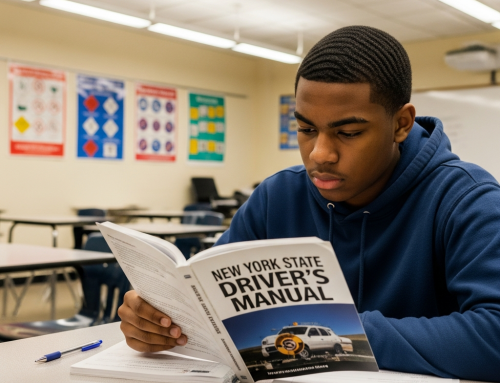
In-person classes give you that human interaction – you can ask questions, hear other people’s concerns, and get real-time feedback. Plus, there’s something to be said for being in a room where you can’t easily get distracted by your phone or that pile of laundry calling your name.
Online courses offer flexibility – you can pause for snack breaks, replay sections you didn’t quite catch, and work around your schedule. But you lose that collaborative learning experience, and let’s be honest, it’s easier to zone out when you’re staring at a screen for five hours.
The time commitment is roughly the same either way, though online courses sometimes feel longer because you’re responsible for keeping yourself engaged. It’s like the difference between a guided tour and exploring a museum with just a map.
Making the Most of Your Course Time
Here’s something most people don’t realize – you can actually complete this course faster than you think, but there’s a catch. While the state mandates five full hours of instruction, some driving schools break this down cleverly. You might find programs that offer two 2.5-hour sessions over different days, or even intensive one-day formats.
The trick? Call around and ask specifically about their scheduling options. I’ve seen students shave days off their timeline just by finding a school that offers evening or weekend intensives. Don’t just accept the first schedule they offer – ask what else is available.
Strategic Timing for Busy Lives
Let’s be honest… finding five consecutive hours isn’t exactly easy when you’re juggling work, family, and everything else life throws at you. But here’s what I’ve learned from talking to hundreds of students: timing is everything.
Book your course for a Tuesday or Wednesday if possible. Mondays are chaotic (everyone’s catching up from the weekend), and Fridays? Well, both you and your instructor are probably mentally checked out by 3 PM. Mid-week sessions tend to be more focused, and you’ll often get better attention from instructors who aren’t rushing between back-to-back weekend bookings.
Also – and this might sound counterintuitive – morning sessions typically run more smoothly than afternoon ones. Traffic is more predictable, parking is easier to find, and honestly? Your brain processes new information better when you’re not already mentally exhausted from the day.
What Actually Happens During Those Five Hours
The course breaks down into chunks that make more sense once you know what to expect. You’ll spend roughly 90 minutes on classroom-style instruction covering New York’s specific traffic laws, road signs, and safety regulations. This isn’t your typical high school classroom experience though – most instructors keep things interactive because they know you’re there by choice (or court order, but let’s stay positive).
The remaining time gets divided between behind-the-wheel instruction and observation periods where you watch other students drive. Here’s where it gets interesting… the observation time isn’t just filler. Pay attention during these segments – you’ll pick up on common mistakes and see how the instructor handles different driving scenarios. It’s like getting bonus instruction without the pressure.
Maximizing Your Learning (Without Looking Overeager)
Come prepared with specific questions, but don’t overwhelm your instructor right out of the gate. Jot down things you’re genuinely curious about – maybe you’ve always wondered about those confusing intersection rules in Manhattan, or you’re not sure about right-of-way situations.
The instructors I’ve talked to appreciate students who engage thoughtfully rather than just going through the motions. But there’s a balance… asking twenty questions in the first ten minutes will probably backfire.
The Paperwork Dance You Need to Know
Here’s something that catches people off guard: bring extra documentation. Sure, they’ll tell you to bring your license and registration, but also bring a backup form of ID and any court paperwork if that’s why you’re there.
Some schools are sticklers about having everything perfect before they’ll even start your clock ticking on those five hours. I’ve seen students lose entire days because they showed up with an expired registration or couldn’t prove they were the actual owner of their vehicle.
Smart Strategies for Different Life Situations
If you’re taking this course due to a ticket, don’t mention the specific circumstances unless asked. Just focus on learning – the instructor doesn’t need your whole story about why you were speeding that day.
For older adults returning to driving after a break… be upfront about your concerns, but don’t apologize constantly. The instructors see all skill levels, and they’d rather work with someone honest about their abilities than someone pretending to be comfortable when they’re not.
New drivers should remember that this course moves faster than typical driver’s ed. Don’t expect to master parallel parking in one session – focus on understanding the concepts and safety principles.
After the Course Ends
You’ll receive a certificate, but here’s what they don’t always mention clearly: keep multiple copies. Insurance companies lose paperwork, courts misplace files, and you don’t want to hassle with getting duplicates later.
Most certificates are valid for a specific time period, so don’t let them expire if you’re using this for insurance discounts or court requirements. Mark your calendar now – seriously, do it right now – with the expiration date.
The Time Crunch Reality Check
Let’s be honest – finding five consecutive hours in your schedule feels like searching for a unicorn sometimes. You’re juggling work, family, maybe college… and suddenly you need to block out this chunk of time that feels impossibly large.
Here’s the thing though – most people overthink this part. You don’t need to clear your entire Saturday (though you could). Many driving schools offer the course in creative chunks: two evenings after work, a Saturday morning plus one weeknight, or even – and this is pretty cool – some online portions you can knock out during lunch breaks, combined with shorter in-person sessions.
The trick? Book it like a doctor’s appointment. Put it on your calendar now, not “when things calm down” (spoiler alert: they won’t). Treat it like the non-negotiable commitment it is.
When the Online Portion Feels Like Digital Torture
Okay, so you’ve started the online modules and… wow. It’s not exactly Netflix, is it? Clicking through screen after screen of traffic laws and safety statistics can feel mind-numbing. Your eyes glaze over. You find yourself reading the same paragraph three times.
This is totally normal, by the way. The material isn’t designed to be thrilling – it’s designed to keep you alive on the road. But that doesn’t mean you have to suffer through it.
Try breaking it into 30-minute chunks instead of marathoning through. Your brain actually retains more when you give it processing breaks anyway. Set a timer, focus hard for that half hour, then walk away. Come back fresh. And here’s a weird tip that actually works: take notes by hand while you read. I know, I know – it’s 2024, who takes notes anymore? But writing engages different parts of your brain and makes those boring statistics stick.
The “Wait, I Need to Schedule What?” Moment
About halfway through your course, reality hits: you need to schedule actual road time with an instructor. And suddenly everyone else in New York had the same brilliant idea to get their license right now.
This is where a lot of people hit their first real roadblock (pun intended). Popular instructors get booked weeks out, especially during summer months when every teenager and their stressed-out parent is trying to check this box.
Start calling driving schools before you even finish the online portion. Seriously. Most schools will let you schedule your road test prep sessions in advance. Get on their calendar while spots are still available, not after you’ve completed everything else and are in panic mode.
And if your first choice is completely booked? Don’t spiral. Ask about cancellation lists, check if they have instructors at different locations, or consider schools a bit further out – sometimes a 20-minute drive opens up way more availability.
The Road Test Scheduling Nightmare
Here’s where things get… interesting. You’ve finished your course, you’re feeling confident, and then you try to schedule your actual road test with the DMV. The next available appointment? Three months away. In a location you’ve never heard of. On a Tuesday at 2 PM.
This is probably the biggest “gotcha” in the whole process, and honestly? The system could use some work. But you’re not powerless here.
First, check multiple DMV locations. Yes, you might have to drive an hour to take your test, but getting it done sooner might be worth the gas money. Second, appointments do open up as people cancel or reschedule – especially the day before. It’s worth checking back periodically (though don’t refresh obsessively… that way lies madness).
Some driving schools also have relationships with certain DMV offices and can sometimes help expedite scheduling. It doesn’t hurt to ask.
When Parallel Parking Breaks Your Brain
Let’s talk about the elephant in the room – or should I say, the car between two orange cones. Parallel parking isn’t just a skill; it’s apparently a psychological test designed to reveal your deepest fears about spatial relationships and public failure.
The good news? The parallel parking test in New York isn’t done on a busy street with impatient drivers honking behind you. It’s in a controlled environment with cones. The bad news? Those cones still feel judgmental.
Practice in an empty parking lot first – set up your own “cones” with water bottles or traffic cones if you can get them. Start with a space that’s ridiculously large and gradually make it smaller. And remember: taking your time during the test isn’t penalized. Slow and successful beats fast and disaster every single time.
The trick most people miss? It’s about reference points, not intuition. When your side mirror lines up with the back car’s bumper, that’s when you start turning. When you can see the back car’s license plate in your mirror, straighten out. It’s more like following a recipe than trusting your gut.
What to Expect After You Complete Your Course
So you’ve finished your 5-hour course – congratulations! But here’s the thing nobody really tells you upfront: completing the course is just step one in what can feel like a pretty long process. I know, I know… you probably thought you’d walk out of that classroom ready to take your road test tomorrow.
The reality? You’ll need to wait at least 30 days after getting your learner’s permit before you can even think about scheduling your road test. And honestly – this is probably a good thing, even if it doesn’t feel like it right now.
Think of it like learning to ride a bike. Sure, someone can explain how to balance and pedal in five hours, but you wouldn’t expect to nail it perfectly on your first try, right? The course gives you the foundation, but the real learning happens during those practice sessions with your supervising driver.
The Waiting Game (And Why It Actually Helps)
That mandatory 30-day waiting period isn’t just bureaucratic red tape – though I get why it feels that way. It’s designed to give you time to actually practice what you learned in the classroom. And trust me, you’ll want that practice time.
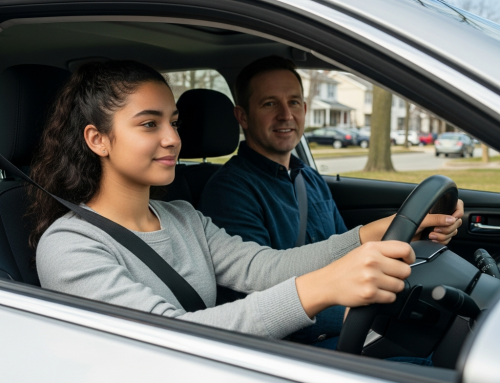
During these weeks, you’ll start to understand why that instructor spent so much time talking about following distance and checking blind spots. When you’re actually behind the wheel, trying to merge onto the highway while your dad’s gripping the door handle… well, suddenly all those scenarios from class start making a lot more sense.
Most students find they need way more than the minimum practice time anyway. We’re talking dozens of hours, not just a few quick trips around the parking lot. Some pick it up faster, others need more time – and that’s completely normal.
Scheduling Your Road Test (The Real Challenge)
Here’s where things get… interesting. Once your 30 days are up and you feel ready, you’ll need to schedule your road test through the DMV. And this is where you might hit your first real frustration.
Road test appointments can book up weeks or even months in advance, especially in busy areas like NYC. I’ve had students who completed their course in January and couldn’t get a road test until April. It’s not ideal, but it’s the reality of the system right now.
Pro tip: check the DMV website regularly for cancellations. People reschedule all the time, and you might snag an earlier slot. Some students even drive to less busy testing locations upstate if they’re really eager to get it done sooner.
What Happens If You Don’t Pass the First Time
Let’s be honest about this – not everyone passes their road test on the first attempt. Actually, it’s pretty common to need a second (or even third) try. The good news? Your 5-hour course completion certificate doesn’t expire, so you won’t need to retake the class.
If you don’t pass, you’ll need to wait at least 24 hours before trying again. Use that time wisely – practice the specific skills the examiner mentioned you need to work on. Maybe it was parallel parking (ugh, we’ve all been there), or not coming to a complete stop at stop signs.
The Big Picture Timeline
So let’s put this all together with realistic expectations. From start to finish, you’re looking at roughly 2-4 months for the entire process
– Week 1: Take your 5-hour course and get your learner’s permit – Weeks 2-5: Practice driving (and wait out that mandatory 30-day period) – Week 6-16: Schedule and take your road test (depending on availability)
That might feel longer than you hoped, but remember – you’re learning a skill that’ll serve you for decades. Those extra weeks of practice? They’re making you a safer, more confident driver.
Making the Most of Your Wait Time
Instead of just counting down the days until your road test, use this time strategically. Practice in different conditions – daytime, evening, rain (with your supervising driver, obviously). Try different types of roads and parking situations.
And here’s something that might surprise you: many students actually feel grateful for that waiting period by the end. It gives you time to build real confidence, not just test-taking skills. When you finally sit in that examiner’s car, you’ll feel prepared rather than just… hopeful.
The whole process might take longer than a Netflix series, but the payoff – that first solo drive with your brand new license – makes every minute worth it.
Making Your Next Move
So there you have it – the whole picture laid out, from those initial five hours in the classroom to getting your hands on that completion certificate. It’s really not as overwhelming as it might seem when you first start researching everything, you know?
The thing is, once you understand the timing and what to expect, it becomes just another item on your to-do list. Sure, it might mean giving up a Saturday morning or spreading it across a few evenings after work, but honestly? Those five hours will fly by faster than you think. Most people are surprised by how engaging these courses actually are – it’s not like sitting through a boring lecture where you’re watching the clock.
And here’s something I’ve noticed… the people who stress the most about fitting this course into their schedule are often the ones who benefit from it the most. You’re already thinking ahead, planning responsibly, and that mindset? That’s exactly what makes for safer, more confident drivers.
Whether you’re a new driver eager to get those insurance savings, a parent wanting to brush up before teaching your teenager, or someone who just wants to be more skilled behind the wheel – you’re making a smart choice. The convenience of online options means you can literally pause for dinner, help with homework, or handle whatever life throws at you, then pick up right where you left off.
I get it though. Sometimes the hardest part isn’t the course itself – it’s just taking that first step. Maybe you’re juggling work schedules, family obligations, or you’re simply feeling a bit overwhelmed by all the requirements and paperwork. That’s completely normal, and you’re definitely not alone in feeling that way.
The beautiful thing about these courses is that they’re designed with real people’s real lives in mind. The instructors understand that everyone comes in with different experience levels, different comfort zones, and different time constraints. Nobody’s going to judge you for asking questions or needing to review something twice.
And once it’s done? You’ll probably feel pretty good about yourself. There’s something satisfying about checking that box, knowing you’ve invested in your skills, and hey – saving money on insurance never hurts either.
If you’re still feeling uncertain about any part of this process, or if you have questions that weren’t covered in all the official literature, don’t hesitate to reach out. Sometimes it helps to talk things through with someone who understands not just the logistics, but also the real-world concerns you might have.
We’re here to help make this as straightforward as possible for you. Whether you need help choosing between online and in-person options, understanding how the certificate process works, or just want someone to walk through the details with you – that’s exactly what we’re here for. Give us a call or send a message. No pressure, no sales pitch – just honest answers and genuine support to help you move forward with confidence.