7 Reasons the DMV 5 Hour Driving Class Is Worth It

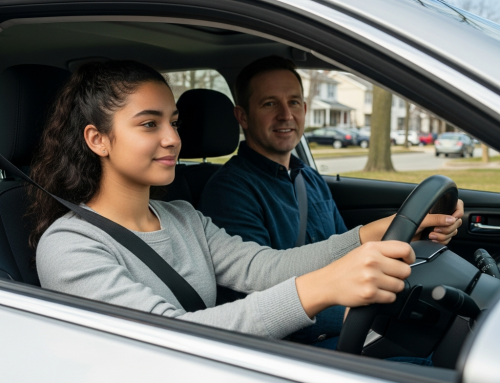
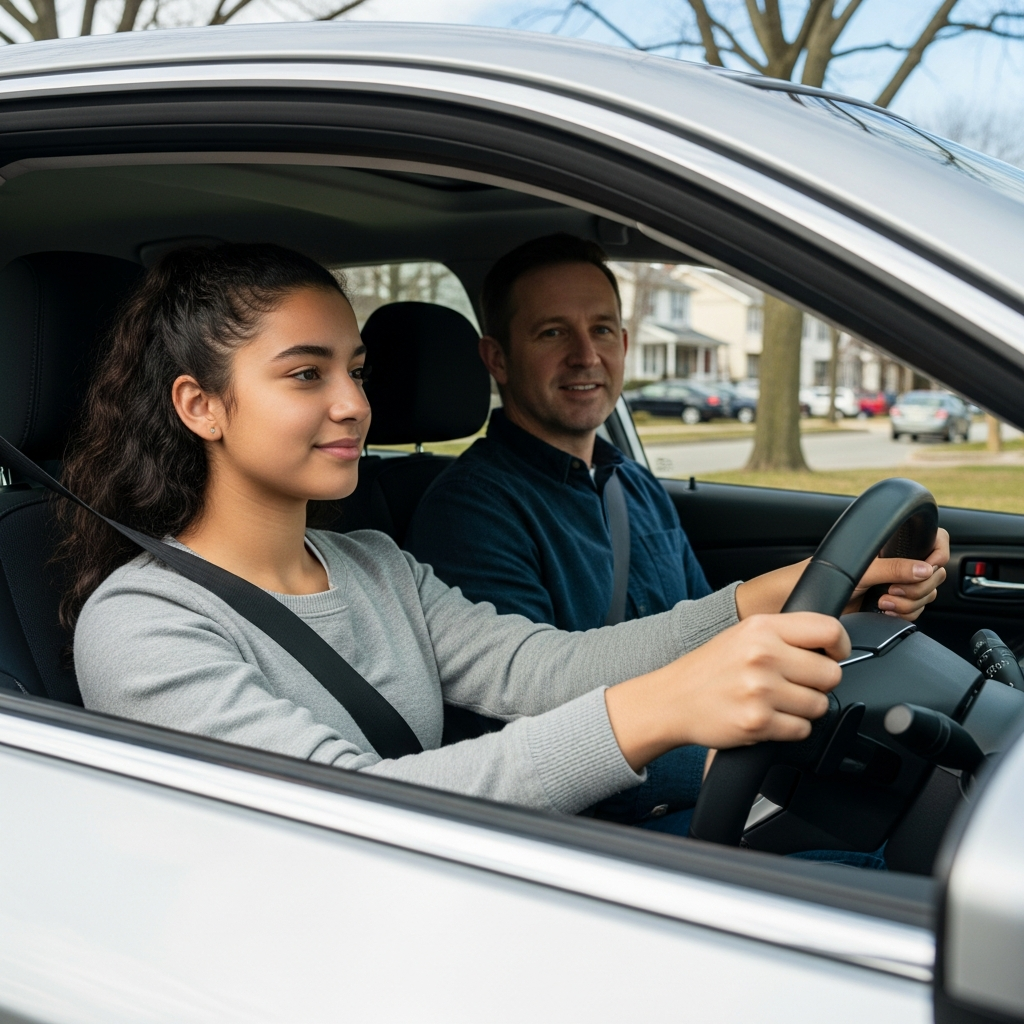
Picture this: you’re sixteen, palms sweating as you grip the steering wheel for the first time. Your dad’s in the passenger seat, white-knuckling the door handle every time you take a turn. “Slow down!” he barks as you crawl through the neighborhood at exactly 15 mph. Sound familiar?
Or maybe you’re that parent now, watching your teenager practice three-point turns in an empty parking lot, wondering how on earth they’ll ever be ready for real traffic. That mix of pride and absolute terror? Yeah, we’ve all been there.
Here’s the thing though – there’s this little secret that not everyone talks about when it comes to getting your license in many states. It’s called the DMV 5 Hour Driving Class, and honestly… most people have no idea what it actually is. They hear “five hours” and immediately think it’s some bureaucratic nightmare designed to torture new drivers and drain parents’ wallets.
But what if I told you it’s actually one of the smartest investments you could make in your driving future?
I know, I know. You’re probably thinking, “Really? A government-mandated class that costs money and takes up my weekend?” Trust me, I get the skepticism. When my own daughter was learning to drive, I had the same eye-roll reaction. Another hoop to jump through, another check to write…
But after sitting through one of these classes with her – and seeing what actually happens during those five hours – my perspective completely shifted.
See, this isn’t your typical classroom experience where some bored instructor drones on about traffic laws while everyone stares at their phones. These classes are designed around something much more valuable: real-world scenarios that could literally save your life. We’re talking about the stuff that doesn’t come up during your standard driving lessons with an instructor who’s mostly focused on making sure you can parallel park and remember to signal.
What happens when you’re driving in heavy rain for the first time and your car starts to hydroplane? How do you handle that moment when some idiot cuts you off on the highway and your first instinct is road rage? What about driving at night when visibility drops and everything feels different?
These are the moments that separate confident drivers from anxious ones. The situations that turn a routine trip to the grocery store into a white-knuckle experience because nobody ever taught you how to handle them properly.
The DMV 5 Hour Class tackles this head-on. It’s like… think of it as driver’s education’s practical older sibling. Less focused on the technical stuff you’ll forget anyway, more focused on the psychological and situational challenges that actually matter when you’re out there on your own.
And here’s what really surprised me – it’s not just beneficial for new drivers. Even if you’ve been driving for years, even if you consider yourself pretty good behind the wheel, there’s probably stuff in there that’ll make you go, “Huh, I never thought of it that way.”
Because let’s be honest – most of us learned to drive from our parents or friends, picking up their habits (good and bad) along the way. We figured out the rest through trial and error, developing our own little systems and shortcuts. But systematic, evidence-based defensive driving techniques? The kind that insurance companies actually recognize and reward? That’s not something most of us stumbled into naturally.
Over the next few minutes, we’re going to walk through seven specific reasons why this class is worth your time and money. Some of them might surprise you – I’ll bet you haven’t considered how it could impact your insurance rates or what it might mean for your teenager’s confidence level. Others are more obvious but still worth exploring in detail.
Whether you’re a new driver, a parent of a soon-to-be driver, or someone who just wants to become more skilled and confident on the road, there’s something here for you. And who knows? You might even find yourself looking forward to those five hours instead of dreading them.
What Even Is This 5-Hour Thing?
Okay, let’s be honest – when you first hear about the DMV 5 Hour Driving Class, it sounds about as appealing as watching paint dry. Five hours? Sitting in a classroom? About driving?
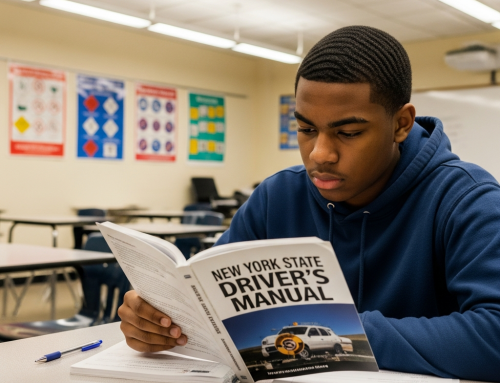
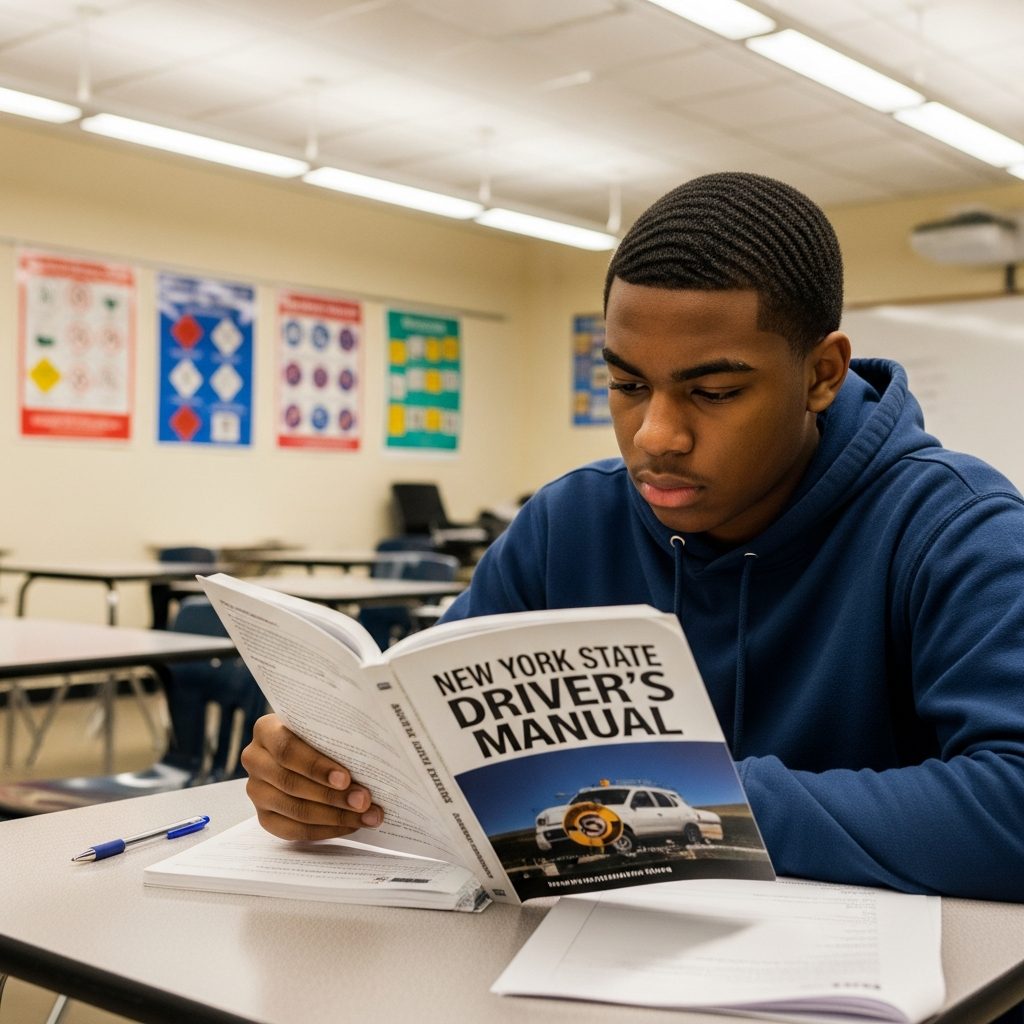
But here’s the thing – it’s not what you think it is. This isn’t your typical “here’s how to parallel park” session. The official name is actually the Pre-Licensing Course (though nobody calls it that), and it’s required in New York before you can take your road test. Think of it as… well, imagine if someone made you sit through a crash course on relationships before your first date. Sounds weird, but you’d probably learn some things that could save you from disaster later.
The class covers everything from basic vehicle operation to defensive driving techniques, plus some surprisingly practical stuff about insurance and what to do when things go wrong. And trust me, things *will* go wrong at some point – that’s just driving for you.
Breaking Down the Legal Side (Don’t Worry, It’s Not That Boring)
Here’s where it gets a bit bureaucratic, but stick with me. In New York State, you literally cannot take your road test without completing this course first. It’s like needing a ticket to enter a concert – no exceptions, no workarounds.
You need to be at least 16 years old and have held your learner’s permit for at least 30 days before you can take the class. The course has to be completed by a DMV-approved driving school, and you’ll get a completion certificate that’s valid for one year. Lose that certificate? You’re starting over… which is about as fun as it sounds.
The whole thing was implemented back in the early 2000s after the state noticed too many new drivers were getting into accidents within their first year of driving. So really, this requirement exists because – and I hate to break it to you – new drivers used to crash. A lot. More than anyone was comfortable with.
What Actually Happens During Those Five Hours
Now, you might be picturing five hours of someone droning on about turn signals and speed limits. But the reality is more like a mix of driver’s education, psychology class, and sometimes – depending on your instructor – group therapy session.
The curriculum is actually pretty comprehensive. You’ll cover basic vehicle operation (yes, even things you think you know), traffic laws and regulations, defensive driving strategies, and accident prevention. But they also dive into the psychological aspects of driving – road rage, peer pressure, how your emotions affect your driving decisions.
One section that catches people off guard is the focus on impaired driving. Not just alcohol – they talk about drowsy driving, driving while emotional, even driving while distracted by passengers. It’s eye-opening stuff, honestly.
The Classroom Dynamic (It’s… Interesting)
Picture this: you’ve got a room full of mostly teenagers, some adults who never got their license when they were younger, and maybe a few people who are retaking the class for various reasons. The energy is… unique.
Some instructors are former driving instructors who’ve seen it all. Others are DMV employees who know the rules inside and out. The best ones? They’re storytellers who can make even the most mundane traffic regulation come alive with real-world examples and horror stories that’ll make you think twice about texting while driving.
The format typically involves lectures, videos (some surprisingly not terrible), group discussions, and sometimes interactive exercises. You’ll probably watch at least one crash reconstruction video that’ll stick with you longer than you’d like.
Why This Isn’t Just Another Hoop to Jump Through
Look, I get it. When you’re eager to get your license and start driving, five hours in a classroom feels like torture. It’s natural to think, “I already know how to drive – I’ve been practicing with my parents for months!”
But here’s what’s counterintuitive about this whole thing: the class isn’t really about teaching you to operate a vehicle. You should already know that from practicing with your permit. Instead, it’s about teaching you to think like a driver in a world full of… well, other drivers who might not be thinking at all.
It’s the difference between knowing how to use a knife and knowing how to cook. Sure, you can cut things, but do you know when to use which technique? How to avoid cutting yourself? What to do when something goes wrong?
The statistics actually back this up – states with pre-licensing education requirements tend to have lower accident rates among new drivers. It’s not magic; it’s just preparation meeting opportunity… or in this case, preparation meeting traffic.
Making the Most of Your Class Time
Here’s the thing nobody tells you – you can actually influence how much you get out of those five hours. I’ve seen people zone out completely (don’t be that person), and I’ve watched others turn it into a genuine learning experience that stuck with them for years.
First off, sit near the front. I know, I know… it feels like being the teacher’s pet. But here’s why it matters – you’ll catch all those little side comments and real-world stories that the instructor shares with the engaged students. That’s where the gold is hidden. Plus, you’re way less likely to get distracted by your phone or that person next to you who won’t stop fidgeting.
Bring a small notebook – not for the obvious stuff they put on the slides, but for those “oh, that’s interesting” moments. When the instructor mentions that most accidents happen within five miles of home, jot that down. When they share which intersections in your area are accident hotspots… write it down. These details don’t make it into the official materials, but they’re incredibly practical.
Questions That Actually Help You Drive Better
Don’t just ask questions to look engaged – ask the ones that’ll make you a smarter driver. Here are some conversation starters that usually lead to fascinating discussions
“What’s the most common mistake you see new drivers make?” (Spoiler alert: it’s usually following too closely or not checking blind spots properly)
“Are there any local driving quirks we should know about?” Every area has them – maybe it’s aggressive highway merging, or specific intersections where people always run reds.
“What do insurance companies actually care about most?” This question often leads to money-saving insights about how your driving record affects your rates long-term.
The instructors have seen it all, trust me. They’ve got stories that’ll make you think twice about certain driving behaviors, and they’re usually happy to share if you show genuine interest.
Taking What You Learn Into Real Life
The real test isn’t passing the course – it’s remembering this stuff six months later when you’re running late and tempted to speed. Here’s how to make it stick…
Create what I call “driving mantras” during the class. When they cover defensive driving, maybe yours becomes “assume everyone else will do something stupid.” When they talk about weather conditions, it might be “when in doubt, slow down.” Simple phrases you can actually remember when you need them.
Practice the “what if” game they teach you, but make it specific to your actual routes. During the class, when they mention scanning for hazards, start mentally rehearsing your daily commute. What if that cyclist swerves? What if someone runs the red light at Oak Street? This kind of mental rehearsing is incredibly valuable.
The Money-Saving Secrets They Don’t Emphasize
Here’s something most people miss – the course often qualifies you for insurance discounts, but you have to ask for them. Call your insurance company within 30 days of completing the course and specifically mention the defensive driving component. Some companies offer discounts for up to three years, which can easily save you more than the course cost.
Also, keep your certificate forever. Seriously. Some states let you use defensive driving courses to dismiss tickets (even years later), and having that certificate on hand can be surprisingly useful. Scan it, save it to your cloud storage, and maybe keep a physical copy in your car’s glove compartment.
Building Habits That Actually Stick
The instructors will throw a lot of rules at you, but here’s what I’ve noticed actually changes people’s driving long-term: focus on one habit at a time. Maybe it’s checking your blind spots more thoroughly, or leaving more following distance. Pick one thing that resonated with you during the class and practice it religiously for two weeks.
Don’t try to implement everything at once – that’s how people get overwhelmed and default back to their old habits. But nail one new behavior, and it becomes automatic. Then you can layer on the next one.
The five hours might feel long while you’re sitting there, but think of it as an investment in every single day you’ll spend behind the wheel afterward. That’s potentially decades of better decision-making, fewer close calls, and yes… lower insurance premiums.
The Real Talk: What Actually Makes People Struggle
Look, I’m not going to sugarcoat this – sitting through five hours of driving instruction isn’t exactly anyone’s idea of a good time. You’re probably thinking about all the other things you could be doing with those five precious hours… and honestly? That’s completely normal.
The biggest challenge most people face isn’t the material itself – it’s the sheer mental fatigue. Around hour three, your brain starts feeling like mush. Your eyes glaze over during the defensive driving videos, and you find yourself checking your phone every few minutes (even though you know you shouldn’t).
Here’s what actually works: treat it like you’re training for a marathon, not sprinting. Bring a water bottle – dehydration makes everything harder. Pack some protein-rich snacks that won’t make you crash later. And if the instructor allows breaks, take them. Your future self will thank you.
When the Information Feels Overwhelming
The amount of information they throw at you can feel like drinking from a fire hose. Traffic laws, safety protocols, emergency procedures, insurance requirements… it’s a lot. And let’s be honest – some of it feels repetitive if you’ve been driving for years.
But here’s the thing that surprised me when I really paid attention: they’re not just teaching you rules. They’re teaching you how to think like a defensive driver. That subtle shift in perspective? That’s where the real value lives.
The solution isn’t to memorize every single detail (though taking notes helps). Instead, focus on the underlying principles. Why do they recommend a three-second following distance? What’s the real reason behind those seemingly arbitrary speed limits? When you understand the “why” behind the rules, everything else starts clicking into place.
Dealing with Resistant Instructors (Yes, They Exist)
Not every instructor is going to be your favorite person. Some are burned out, some are just going through the motions, and some… well, some seem genuinely annoyed that you exist. It happens more often than you’d think.
Here’s what I’ve learned works: ask genuine questions. Even the most jaded instructor usually perks up when someone shows real interest. “What’s the most common mistake you see new drivers make?” or “Have you noticed any changes in driving patterns since everyone got smartphones?”
And if you’re really stuck with someone who’s completely checked out? Focus on the other students. Often, the best insights come from the person sitting next to you who just had their first fender-bender or someone who’s been driving delivery trucks for twenty years.
The Afternoon Energy Crash Is Real
Around 2 PM, no matter how much coffee you’ve had, your body’s natural circadian rhythm wants you to take a nap. This isn’t your fault – it’s biology. But it’s also when you’re likely to miss some of the most important safety information.
Combat this by changing your position every 20 minutes or so. Sit up straighter, shift in your chair, or discreetly stretch your legs under the table. If you’re allowed to stand occasionally, do it. And here’s a weird trick that actually works: take notes by hand instead of on your phone or laptop. The physical act of writing engages different parts of your brain and keeps you more alert.
When You Already Think You Know Everything
The biggest challenge for experienced drivers? Ego. You’ve been driving for years without any major incidents, so why do you need some instructor telling you how to merge onto a highway?
This mindset will make those five hours feel like torture. Instead, approach it like you’re getting a software update. You’re not learning to drive – you’re updating your driving operating system. Maybe you’ll learn about new traffic laws you missed, or safety features in modern cars that weren’t around when you first learned to drive.
I’ve seen seasoned drivers discover they’ve been doing things wrong for decades. Not dangerous things, necessarily, but inefficient or technically incorrect habits that could cause problems down the road.
Making It Actually Stick
The real challenge isn’t getting through the class – it’s retaining what you learned long enough for it to matter. By next week, you’ll forget half of it if you don’t make an effort to reinforce the lessons.
Before you leave, write down three specific things you learned that you want to implement. Not vague concepts, but specific actions. Maybe it’s checking your blind spots more thoroughly, or maintaining better following distance in bad weather. Pick things you can practice on your drive home.
The goal isn’t perfection – it’s building better habits one small change at a time.
What to Actually Expect After Your 5-Hour Class
Look, I’m going to be straight with you – taking that DMV 5-hour class doesn’t magically transform you into a perfect driver overnight. It’s more like… well, think of it as getting the foundation poured for a house. You’ve got the basics down, but you’re still going to need time to build those skills into something solid.
Most people walk out of the classroom feeling pretty confident. You’ve learned about right-of-way rules, practiced scanning techniques, and maybe even had some good discussions about road rage (because honestly, who hasn’t wanted to give someone a piece of their mind in traffic?). But here’s the thing – knowing something in theory and actually doing it while merging onto I-95 during rush hour? That’s… that’s a whole different story.
The Reality Check Timeline
Here’s what typically happens in the weeks following your class, and trust me, this is completely normal
Week 1-2: You’re hyper-aware of everything you learned. You’re probably over-checking your mirrors, second-guessing every lane change, and maybe driving a little too cautiously for your passengers’ liking. That’s actually good! Better to be overly careful than… well, you know.
Week 3-4: Some of those new habits start feeling more natural, but you might catch yourself slipping back into old patterns. Don’t beat yourself up about it – changing driving habits is like trying to change any other behavior. It takes repetition.
Month 2-3: This is usually when things start clicking. The scanning techniques become more automatic, and you’re not consciously thinking through every single rule you learned.
Making the Knowledge Stick
Actually, let me pause here because I see this a lot – people think the class alone is going to solve all their driving challenges. The reality? You need to actively work on implementing what you learned.
Try picking one or two specific techniques from the class and focus on those for a week. Maybe it’s the 3-second following distance rule, or remembering to check your blind spots more consistently. Don’t try to overhaul your entire driving style at once – that’s like trying to learn every instrument in an orchestra simultaneously.
Practice with purpose. If you learned about defensive driving positioning, spend a few drives really focusing on that. Notice how it feels different, how it changes your view of the road, how other drivers respond to your positioning.
Insurance Benefits: The Patience Game
Now, about those insurance savings – this is where managing expectations becomes really important. Most insurance companies don’t process discounts instantly. You might need to call your provider, send them your completion certificate, and then wait for the next billing cycle to see the reduction.
Some companies are faster than others (and honestly, some are just… well, let’s say they move at their own pace). Don’t assume it didn’t work if you don’t see savings immediately. Follow up if you haven’t seen changes after two billing cycles.
When Things Don’t Go as Planned
Sometimes people tell me they felt like the class didn’t help much, or they’re still struggling with specific driving situations. And you know what? That’s completely understandable. The 5-hour class covers a lot of ground, but it can’t address every individual challenge.
If you’re still feeling anxious about highway driving, or parallel parking still makes you break out in a cold sweat, consider additional practice with a driving instructor. Think of the 5-hour class as your general education, and specialized lessons as your advanced training.
Building on Your Foundation
Here’s something I wish more people knew – the learning doesn’t stop when you leave that classroom. The best drivers I know are the ones who stay curious, who notice their own patterns and keep working to improve them.
Maybe you start paying attention to traffic flow differently, or you become more aware of how weather affects your driving. Some people even find themselves becoming better at reading other drivers’ behavior – like being able to spot that person who’s about to cut across three lanes because they almost missed their exit.
The real value of that 5-hour investment shows up in the small moments. When you automatically check your mirrors before changing lanes. When you naturally increase your following distance in bad weather. When you stay calm instead of getting road rage because you understand traffic patterns better.
That’s not flashy or dramatic, but it’s exactly the kind of steady improvement that keeps you – and everyone around you – safer on the road.
Taking the Next Step Forward
Look, I get it – sitting through a five-hour class when you’d rather be literally anywhere else isn’t exactly how most people want to spend their day. But here’s what I’ve learned after years of helping people navigate their health challenges: sometimes the things that feel like obstacles are actually bridges to where we want to be.
That defensive driving course? It’s not just about checking a box or getting that insurance discount (though hey, saving money never hurt anyone). It’s about giving yourself tools – real, practical skills that could genuinely make a difference when it matters most. And honestly… isn’t that worth five hours of your life?
Think about it this way: we’ll binge-watch an entire season of a show without thinking twice, but we hesitate to invest the same amount of time in something that could actually protect us and our families. The irony isn’t lost on me – and I bet it isn’t on you either.
What strikes me most about these courses is how they mirror what we do here at our clinic. Both are about creating sustainable, positive changes in your life. Both require you to show up, put in some effort, and trust the process. And both – when you really commit – can transform not just your habits, but your entire relationship with risk and responsibility.
You know what’s really beautiful about taking that class? It’s a declaration. You’re saying, “I care enough about my future – and the people I love – to do this thing that might be inconvenient right now.” That’s the same mindset shift we see in our most successful clients. They stop seeing healthy choices as punishment and start recognizing them as acts of self-love.
The defensive driving skills you’ll learn – scanning the road ahead, maintaining proper following distance, staying alert to potential hazards – these aren’t just driving techniques. They’re life skills. The patience you’ll develop, the awareness you’ll cultivate… these things have a way of spilling over into other areas of your life in the most wonderful ways.
And let’s be real about something else: if you’re here reading this, you’re probably already someone who thinks ahead, who weighs options carefully. That’s exactly the kind of person who benefits most from these classes. You’re not just going through the motions – you’re actually absorbing the information and applying it.
You Don’t Have to Figure Everything Out Alone
Whether you’re thinking about that driving course or considering other positive changes in your life, remember that support makes all the difference. Just like learning to be a safer driver is easier with expert guidance, reaching your health and wellness goals doesn’t have to be a solo journey.
If you’re feeling overwhelmed by all the changes you want to make – or even if you’re just curious about what sustainable weight loss might look like for you – we’re here. No pressure, no judgment, just real people who understand that change is hard and that everyone deserves compassionate, expert support.
Give us a call when you’re ready. We’ll be here, ready to listen and help you figure out your next best step.