How the 5 Hour Class Helps New Drivers Build Confidence
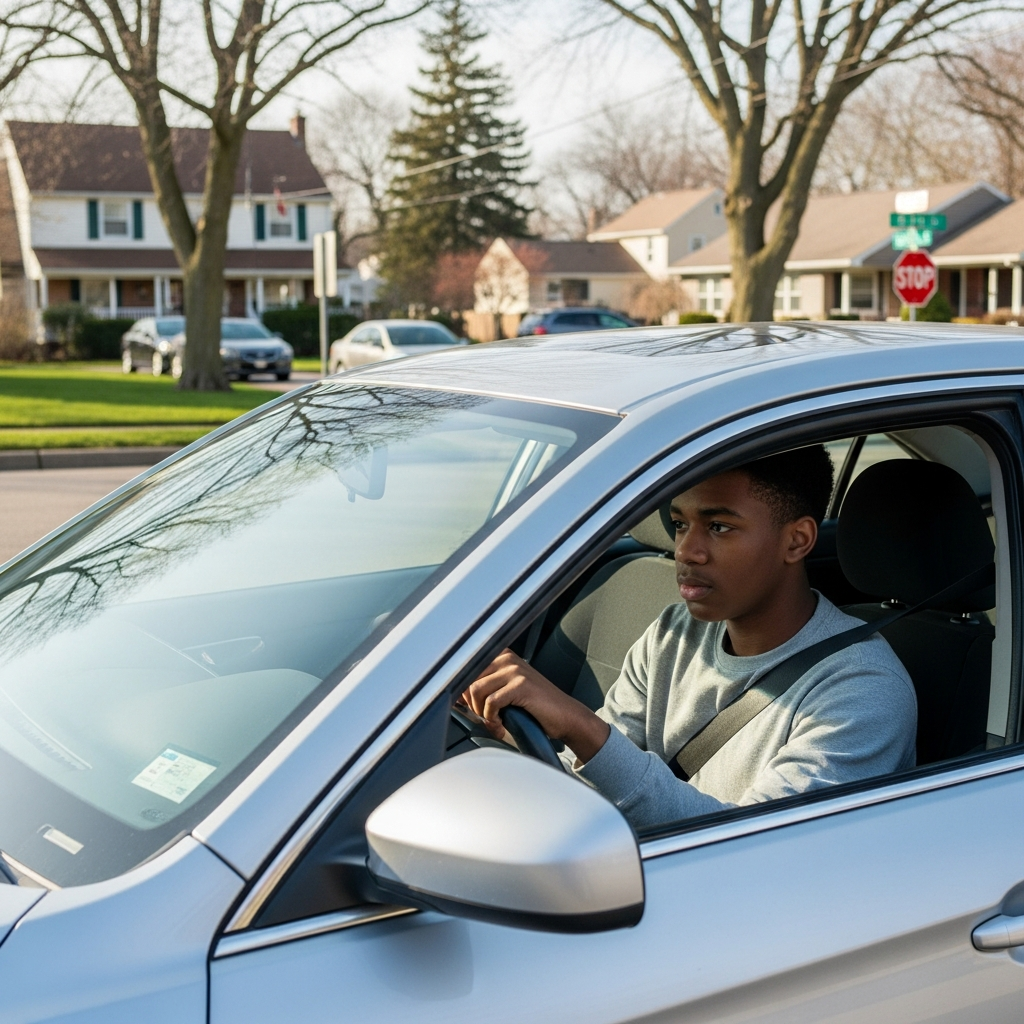
You know that feeling when you’re sixteen and you’ve been driving with your parents for months, thinking you’ve got this whole driving thing figured out? Then suddenly you’re sitting in the DMV parking lot, palms sweating, wondering if you actually know anything at all about merging onto highways or what to do when some guy in a pickup truck decides your following distance is his personal invitation to cut you off.
Yeah… we’ve all been there.
Here’s the thing about learning to drive – and honestly, this applies to pretty much everything in life – there’s a massive gap between “knowing” something and actually *knowing* it. You can recite the rules about checking your blind spots, but do you really understand why that split-second glance could save someone’s life? You might know you’re supposed to maintain a three-second following distance, but have you ever actually counted it out while some impatient driver is riding your bumper?
That gap? That’s where confidence goes to die.
And let’s be real here – driving confidence isn’t just about feeling good behind the wheel (though that’s definitely part of it). It’s about safety. It’s about making decisions quickly when that deer jumps out of nowhere, or when you’re driving in your first real downpour and can barely see five feet ahead. Confident drivers aren’t just more comfortable… they’re safer drivers.
This is where something called the “5 Hour Class” comes in – though honestly, the name makes it sound way more boring than it actually is. Think of it less like sitting through another classroom lecture about traffic signs and more like… well, like getting the inside scoop from someone who’s actually been there. Someone who knows that the real challenge isn’t memorizing the speed limit (you can Google that), but figuring out how to handle that moment when you’re merging onto I-95 during rush hour and everyone’s going twenty miles over the limit.
The 5 Hour Class isn’t just another requirement to check off your list – though yes, you do need it to get your license in many states. It’s actually designed around a pretty brilliant idea: that new drivers need more than just technical knowledge. They need to understand the psychology of driving, the real-world scenarios that textbooks don’t cover, and most importantly… they need to build genuine confidence that comes from understanding, not just memorizing.
Because here’s what nobody tells you about driving confidence – it doesn’t come from being perfect. It comes from knowing what to do when things go wrong. When you accidentally miss your exit and need to figure out how to get back on track without causing a traffic situation. When your GPS stops working in an unfamiliar area. When that person texting while driving starts drifting into your lane.
Throughout this guide, we’re going to explore exactly how the 5 Hour Class tackles these real-world challenges. We’ll look at why the traditional “here are the rules, now go practice” approach leaves so many new drivers feeling anxious and underprepared. You’ll discover the specific techniques and scenarios the class covers that you probably haven’t thought about yet… but definitely should.
We’ll also dig into the psychology behind driving confidence – because honestly, so much of safe driving happens in your head before your hands ever touch the steering wheel. How do you stay calm when unexpected situations arise? How do you make quick decisions without second-guessing yourself into dangerous hesitation?
And perhaps most importantly, we’ll show you how the 5 Hour Class connects all those individual skills – parallel parking, highway merging, navigating complex intersections – into a comprehensive understanding that actually makes you a more confident, capable driver.
Because at the end of the day, the goal isn’t just passing your road test. It’s developing the kind of driving confidence that keeps you safe for years to come… and maybe even helps you enjoy those long road trips instead of dreading them.
Ready to find out how a single class can transform your entire relationship with driving?
What Actually Happens in Those Five Hours
Look, I’ll be honest – when most people hear “5-hour pre-licensing course,” they picture sitting in a stuffy classroom watching grainy videos from the 1990s. You know the ones… where everyone’s wearing shoulder pads and the cars look like they belong in a museum.
But here’s the thing – and this might surprise you – these courses have actually evolved quite a bit. They’re designed around something called scaffolded learning, which is just a fancy way of saying they build your knowledge step by step, like constructing a house. You don’t start with the roof, right?
The course breaks down into digestible chunks that cover everything from basic traffic laws to defensive driving techniques. Think of it as your driving GPS, but instead of getting you from point A to point B, it’s getting you from “terrified beginner” to “actually, I’ve got this.”
The Psychology Behind Building Driving Confidence
Now, confidence behind the wheel isn’t just about knowing which pedal does what (though that’s… pretty important). It’s about developing what psychologists call “situational awareness” – basically, your brain’s ability to process multiple streams of information without completely freaking out.
When you’re learning to drive, your brain is essentially trying to juggle flaming torches while riding a unicycle. There’s the steering, the speed, the mirrors, other drivers doing weird things, pedestrians appearing out of nowhere… it’s a lot. And honestly? Feeling overwhelmed at first is completely normal.
The 5-hour course helps by introducing these concepts gradually in a controlled environment. It’s like learning to swim in the shallow end before jumping into the deep end – except the deep end has traffic lights and impatient commuters.
Risk Assessment and Decision Making
Here’s where things get interesting – and maybe a little counterintuitive. Good driving isn’t really about following rules perfectly (though you should definitely do that). It’s about constantly making split-second risk assessments and adjustments.
Picture this: you’re approaching an intersection with a green light, but there’s a guy on his phone walking toward the crosswalk. The rule says you have the right of way… but the smart driver slows down anyway. That’s risk assessment in action.
The course teaches you to develop this kind of thinking – to scan for potential problems before they become actual problems. It’s like having a crystal ball, except instead of predicting the future, you’re just paying really good attention to the present.
Understanding Vehicle Dynamics (Without Getting Too Nerdy)
Okay, I promise not to turn this into a physics lecture, but understanding how your car actually responds to your inputs is huge for confidence. When you know what to expect, you feel more in control.
Think about it like dancing – when you first learn, every step feels awkward and uncertain. But once you understand the rhythm and how your body responds to the music, you can actually enjoy it instead of just trying not to trip over your partner’s feet.
The course covers basics like stopping distances (spoiler alert: they’re longer than you think), how weather affects traction, and why sudden movements are generally a bad idea. This knowledge creates a foundation of predictability in what can feel like a very unpredictable environment.
The Social Dynamics of Driving
Here’s something they don’t always emphasize enough – driving is fundamentally a social activity. You’re constantly communicating with other drivers through signals, positioning, and behavior. It’s like an elaborate dance where everyone needs to know the steps.
The 5-hour course helps you understand these unwritten rules of the road. Like how merging isn’t just about finding a gap – it’s about reading other drivers’ intentions and working together to make traffic flow. Or how using your turn signal isn’t just legally required; it’s actually a courtesy that helps everyone else predict what you’re going to do.
Sometimes new drivers get so focused on the mechanical aspects – steering, braking, accelerating – that they forget about this communication piece. But once you start thinking of other drivers as partners rather than obstacles… well, that’s when things start clicking.
The beauty of structured learning is that it gives you frameworks for understanding these complex interactions. Instead of feeling like you’re surrounded by unpredictable chaos, you start recognizing patterns and developing responses that become second nature.
Setting Yourself Up for Success Before You Even Start
Here’s something most people don’t tell you – your confidence starts building the night before your class, not when you walk through the door. Get a good night’s sleep (I know, easier said than done when you’re nervous), and eat something substantial beforehand. Your brain needs fuel to absorb all that information, and trust me… you don’t want to be the person whose stomach is growling loudly during the quiet video portions.
Bring a notebook – not because you’re trying to be teacher’s pet, but because writing things down actually helps cement the concepts in your mind. Plus, you’ll have your own reference guide later when you’re behind the wheel thinking, “Wait, what was that thing about following distance again?”
Making the Most of Classroom Discussions
This is where the magic really happens – and where a lot of new drivers miss out because they’re too shy to speak up. When your instructor asks questions, don’t just sit there hoping someone else will answer. Raise your hand. Share your concerns. That weird scenario you’ve been worried about? Someone else is probably thinking the exact same thing.
I’ve seen it happen countless times… a student finally works up the courage to ask about parallel parking anxiety, and suddenly half the class is nodding and chiming in with their own fears. These discussions aren’t just educational – they’re therapeutic. You realize you’re not the only one who breaks into a sweat thinking about merging onto the highway.
Absorbing Safety Information That Actually Sticks
Let’s be honest – some of the safety videos can feel a bit… dramatic. But here’s the thing: those scenarios they show? They’re based on real situations that happen every single day. Instead of mentally checking out during these segments, try to place yourself in each situation. What would you do? How would you react?
When they’re talking about defensive driving techniques, don’t just memorize the three-second rule – actually practice counting it out in your head. “One-thousand-one, one-thousand-two…” It sounds silly in the classroom, but it becomes second nature when you need it most.
And those statistics about teen drivers and accident rates? Don’t let them scare you into paralysis. Use them as motivation. You’re taking this class precisely because you want to be part of the safer driver statistics, not the cautionary tales.
Building Real-World Awareness
Here’s something instructors might not emphasize enough – start paying attention to traffic patterns and driver behavior even before you’re behind the wheel. When you’re a passenger (and yes, this includes ride-shares and buses), watch what the driver does. Notice how they check mirrors, signal lane changes, handle intersections.
You’ll start seeing things you never noticed before. Like how experienced drivers position their cars differently at red lights, or how they adjust their speed approaching construction zones. This observational practice is like getting bonus driving experience without any of the pressure.
Turning Anxiety Into Anticipation
That nervous energy you’re feeling? It’s not your enemy – it’s actually a sign that you care about doing this right. Channel it into focused attention rather than letting it spiral into worry. When your instructor explains something that makes you nervous (looking at you, highway merging), ask follow-up questions. Break it down into smaller, manageable pieces.
Instead of thinking, “I’ll never be able to do that,” try reframing it as, “I don’t know how to do that yet, but I’m learning.” It’s a small shift, but it makes a huge difference in how your brain processes the information.
Taking Notes That Actually Help Later
Don’t try to write down everything word-for-word – you’ll miss the bigger picture while you’re frantically scribbling. Instead, focus on capturing the key concepts and any personal “aha” moments. Maybe it’s finally understanding why you need to check your blind spots, or realizing that most driving is actually predictable patterns once you know what to look for.
Leave space in your notes to add questions that come up later. You know how it is – you’ll think of the perfect question right after class ends.
The real secret? This five-hour class isn’t just about meeting a requirement. It’s your foundation for becoming the kind of driver who doesn’t just avoid accidents – but actually enjoys being on the road. And that confidence you’re building now? It’s going to serve you well beyond just passing your road test.
When Practice Doesn’t Feel Like Progress
You know that feeling when you’ve been behind the wheel for weeks, but every parking attempt still feels like you’re trying to thread a needle while wearing oven mitts? Yeah… that’s completely normal, even if it doesn’t feel like it.
The thing is, driving confidence doesn’t follow a nice, neat timeline. Some days you’ll nail that parallel park on the first try, feeling like you’ve finally “got it.” Then the next day, you’re sitting at a four-way stop wondering if everyone’s secretly judging your decision-making skills. (Spoiler alert: they’re probably not paying attention to you at all – they’re too busy with their own driving drama.)
The 5-hour class acknowledges this reality upfront. Your instructor isn’t there to pretend everything’s going to click immediately. Instead, they’re preparing you for those moments when your brain goes blank at a merge, or when you forget which pedal does what during your first real-world driving test.
The Overthinking Trap (And How to Escape It)
Here’s what nobody tells you about learning to drive: sometimes thinking too hard makes everything harder. You’ll find yourself mentally narrating every single action – “Now I’m checking my mirror, now I’m signaling, now I’m looking over my shoulder…” – until you’re so focused on the checklist that you miss the actual traffic around you.
During the classroom portion, instructors teach you to recognize when you’re spiraling into analysis paralysis. They’ll show you breathing techniques (yes, really) and help you understand which decisions need split-second responses versus which ones you can think through.
The solution isn’t to stop thinking – it’s to train your thinking to be more efficient. Like… imagine trying to make dinner while reading the recipe aloud for every single step. Eventually, you learn to trust that you know how to crack an egg without narrating the process.
Social Anxiety Behind the Wheel
Let’s talk about something that doesn’t get enough attention: driving while feeling like everyone’s watching. Maybe you’re that person who gets nervous when other drivers are waiting behind you at a parking spot. Or you freeze up when someone honks (even if it wasn’t at you).
The 5-hour class spends real time on this because – honestly – other drivers can be jerks sometimes. Your instructor will role-play scenarios where someone’s tailgating you, or rushing you, or making you feel stupid for taking your time. They’ll teach you practical responses that don’t involve either becoming aggressive or shutting down completely.
One technique that actually works? The “narrator” approach. When someone’s pressuring you, mentally narrate what you’re doing in a calm voice: “I’m checking my blind spot, I’m signaling, I’m merging when it’s safe.” It sounds silly, but it keeps your brain focused on driving instead of on whatever that impatient driver behind you is thinking.
When Your Support System Backfires
Here’s an uncomfortable truth: sometimes the people who love you most make the worst driving instructors. Your dad might have taught three kids to drive successfully, but if his teaching style involves a lot of sharp intakes of breath and sudden brake-grabbing… well, that’s not exactly confidence-building material.
The structured environment of the 5-hour class gives you permission to learn without family drama. No eye-rolling from your spouse when you take too long to back out of a parking space. No well-meaning but contradictory advice from multiple family members. Just clear, consistent instruction from someone whose job it is to stay calm while you figure things out.
This doesn’t mean your family can’t help – but it does mean you might need to set some boundaries. Maybe practice sessions with relatives happen after you’ve mastered basics in a neutral setting.
Building Real-World Confidence
The biggest challenge? Translating classroom knowledge into real-world confidence. You can ace every written quiz, but still feel your heart racing the first time you’re driving alone in the rain.
This is where the 5-hour class really shines – it bridges that gap between knowing what to do and actually doing it under pressure. You’ll practice scenarios you haven’t encountered yet, discuss what-if situations, and most importantly, learn to trust your preparation.
Think of it this way: you’re not just learning to drive. You’re learning to make decisions confidently, recover from mistakes gracefully, and trust yourself in situations you’ve never faced before. Those skills? They’re useful way beyond just getting from point A to point B.
The goal isn’t perfection – it’s competence with a side of self-compassion.
What to Expect After Your 5-Hour Course
So you’ve finished your five hours, certificate in hand, probably feeling a mix of relief and… well, maybe a tiny bit of panic? That’s completely normal. Here’s the thing – those five hours aren’t meant to turn you into a driving expert overnight. Think of it more like learning the alphabet before you write your first novel.
Most new drivers walk out thinking they should feel more confident than they actually do. But confidence isn’t something you can download in a single afternoon. It’s more like building muscle – it takes time, repetition, and yes, a few uncomfortable moments along the way.
You’ll probably notice that traffic suddenly seems faster, intersections look more complicated, and parking spaces appear to have shrunk. That’s not your imagination playing tricks on you… it’s your brain actually paying attention to all the details it used to ignore when you were just a passenger.
The Real Timeline for Building Driving Confidence
Let’s be honest about what comes next. Most new drivers need anywhere from 20 to 40 hours of actual behind-the-wheel practice before they start feeling genuinely comfortable. And that’s with a mix of professional lessons and supervised practice with family or friends.
The first few weeks? They’re going to feel a bit shaky. Your hands might grip the steering wheel like you’re hanging off a cliff, and you’ll probably check your mirrors obsessively. Actually, that’s exactly what you should be doing right now – better to be overly cautious than overconfident.
Some days you’ll feel like you’re getting the hang of it, and others… well, parallel parking might make you question all your life choices. That rollercoaster feeling is part of the process, not a sign that you’re failing.
Your Practice Game Plan
Now that you’ve got the foundation, it’s time to build on it strategically. Start small – really small. Empty parking lots are your friend for the first several practice sessions. Work on the basics: smooth acceleration, gentle braking, getting a feel for how your specific car responds.
Don’t jump straight into rush hour traffic (I know, tempting as it might be to get it over with). Gradually work up to quiet residential streets, then busier roads during off-peak hours. Think of it like learning to swim – you don’t start with the deep end.
Practice with purpose. Each session should have a focus. Maybe today it’s perfecting your three-point turns. Tomorrow? Getting comfortable with highway merging. The day after that… tackling that tricky intersection near your house that always seems to have confusing signals.
Common Bumps in the Road (Literally and Figuratively)
Here’s what nobody tells you – even after passing your road test, you’ll still have moments of doubt. Maybe you’ll stall at a traffic light, or take a turn too wide, or forget to signal once. These aren’t failures; they’re part of learning.
Most new drivers go through what instructors call the “confidence dip” about a month after getting their license. You’ve been doing well, feeling pretty good about your skills, and then something happens – maybe you have to drive in heavy rain for the first time, or navigate an unfamiliar area – and suddenly you feel like a beginner again.
This is normal. Actually, it’s healthy. It means you’re aware of your limitations and taking driving seriously.
Building Real-World Skills
Your 5-hour course gave you the rules and basic techniques, but real confidence comes from experiencing different situations. Night driving feels completely different from daytime driving. Highway speeds require different skills than neighborhood streets. Parking downtown versus parking at the suburban mall… totally different challenges.
Give yourself permission to avoid certain situations until you’re ready. There’s no shame in saying “I’m not comfortable driving in that snowstorm yet” or asking someone else to drive on that winding mountain road.
Moving Forward with Realistic Expectations
The goal isn’t to become a perfect driver immediately – it’s to become a safe, competent driver over time. Some people feel confident after a few weeks of practice, others need a few months. There’s no prize for rushing the process.
Keep that 5-hour certificate handy (you’ll need it for your road test), but more importantly, keep that mindset of continuous learning. Even experienced drivers are always picking up new skills, adapting to new traffic patterns, learning to handle their cars in different conditions.
Your driving confidence will come – not all at once, but gradually, through experience, practice, and yes, a few mistakes along the way. And that’s exactly how it should be.
You know what strikes me most about watching new drivers complete their five-hour course? It’s that moment – usually somewhere around hour three – when you can literally see their shoulders relax. The white-knuckle grip on the steering wheel loosens just a bit, and suddenly they’re not just surviving behind the wheel… they’re actually starting to feel like they belong there.
That transformation doesn’t happen by accident. Sure, the technical skills matter – parallel parking, proper following distance, all those rules of the road that seem overwhelming at first. But what really changes everything is understanding that driving isn’t some mysterious talent you either have or you don’t. It’s a learnable skill, and you’re absolutely capable of mastering it.
The Real Magic Happens After Class
Here’s something instructors don’t always tell you: the confidence you build during those five hours? It keeps growing. Every time you successfully merge onto a highway (even if your heart’s still pounding), every parking job that doesn’t require three attempts, every moment you realize you’re not consciously thinking about every single movement… that’s your confidence muscle getting stronger.
And honestly, that confidence spills over into other areas too. There’s something powerful about conquering something that initially felt impossible. It reminds you that maybe – just maybe – you’re more capable than you give yourself credit for.
When Doubt Creeps In (Because It Will)
Let’s be real for a second. Even after completing your course, you’ll probably have moments where you question everything. Maybe it’s your first solo drive in heavy rain, or navigating an unfamiliar area, or dealing with an aggressive driver. Those moments don’t mean you’re failing – they mean you’re human.
The beauty of proper driver education is that it gives you tools for those challenging moments. Not just the mechanics of what to do, but the mental framework to stay calm and think clearly when things get tricky.
You Don’t Have to Figure This Out Alone
If you’re reading this and feeling overwhelmed about getting behind the wheel – or if you’re a parent worried about your teen driver – I want you to know something. That anxiety? Completely normal. The feeling like everyone else is naturally good at this while you’re struggling? Also normal.
But here’s what’s not necessary: going through this alone. Whether you’re considering driver education for yourself or your teenager, reaching out for professional guidance isn’t admitting weakness – it’s making a smart choice. The right instructor doesn’t just teach you to pass a test; they help you build genuine, lasting confidence that’ll serve you well for decades of safe driving.
Ready to take that next step? We’re here to help make your driving education experience as supportive and confidence-building as possible. Give us a call or send a message – we’d love to chat about how we can help you (or your teen) become not just a licensed driver, but a truly confident one. Because everyone deserves to feel secure and capable behind the wheel, and we’re pretty good at helping people get there.