Is the 5 Hour Course Near Me Approved by the NY DMV?

The notification pops up on your phone at 2:47 PM on a Tuesday: “Your driver’s license expires in 30 days.” You stare at it for a moment, that familiar sinking feeling creeping in. Wait… didn’t you get a ticket a few months back? And wasn’t there something about needing to take some kind of course?
You’re not alone if you’re suddenly scrambling to figure out what the heck a “5-hour course” is and – more importantly – whether the one you found online or down the street is actually going to count when you show up at the DMV. Because let’s be honest, nobody wants to waste time (and money) on a course that turns out to be as useful as a chocolate teapot when it comes to getting your license renewed or dealing with those pesky points on your record.
Here’s the thing that makes this whole situation extra frustrating: New York has some pretty specific rules about these courses, and not every program that calls itself “DMV approved” actually… well, is. It’s like that time you bought what you thought were designer sunglasses from a street vendor, only to have them fall apart the first time you wore them. The disappointment is real.
The Stakes Are Higher Than You Think
This isn’t just about checking a box on some bureaucratic form. If you’re dealing with points on your license, the right course can actually save you money on insurance premiums – we’re talking potentially hundreds of dollars a year. And if you’re a new driver or someone who’s had their license suspended, taking an approved course might be the difference between getting back on the road quickly or… well, taking a lot more buses than you’d planned.
But here’s where it gets tricky. The internet is flooded with driving courses that promise they’re “state approved” or “DMV certified.” Some are legit. Others? Not so much. It’s like trying to find a good restaurant in Times Square – sure, there are options everywhere, but most of them will leave you feeling ripped off and slightly nauseous.
I’ve seen too many people show up at the DMV with their completion certificate, confident they’ve done everything right, only to be told their course doesn’t meet the requirements. The look on their faces… it’s the same expression you get when you realize you’ve been putting your shirt on inside-out all day and nobody told you.
What We’ll Figure Out Together
So here’s what we’re going to sort through – and trust me, it’s not as complicated as the DMV website makes it seem (though that’s not saying much). We’ll look at exactly what makes a 5-hour course “approved” by the New York DMV, because the criteria are more specific than you might expect.
You’ll learn how to spot the real deal from the imposters, including some red flags that should have you clicking away faster than you’d leave a first date who shows up wearing socks with sandals. We’ll also talk about your options – classroom courses, online programs, and those hybrid setups that seem to be everywhere these days.
Actually, that reminds me… we’ll also cover what to do if you’ve already taken a course and you’re not sure if it counts. Because life happens, and sometimes you find yourself in less-than-ideal situations that require a little creative problem-solving.
And look, I get it – this whole process can feel overwhelming, especially when you’re already stressed about other things. Maybe you’re dealing with work deadlines, family stuff, or just the general chaos of life that makes simple tasks feel like climbing Mount Everest in flip-flops.
The good news? Once you know what to look for, finding an approved course near you is actually pretty straightforward. It’s just a matter of knowing which questions to ask and where to look for the answers. Think of this as your unofficial guide to navigating the bureaucratic maze without losing your sanity – or your driving privileges.
What Exactly Is This 5-Hour Course Everyone’s Talking About?
Okay, let’s start with the basics – because honestly, New York’s driving requirements can feel like trying to solve a puzzle where someone’s hidden half the pieces.
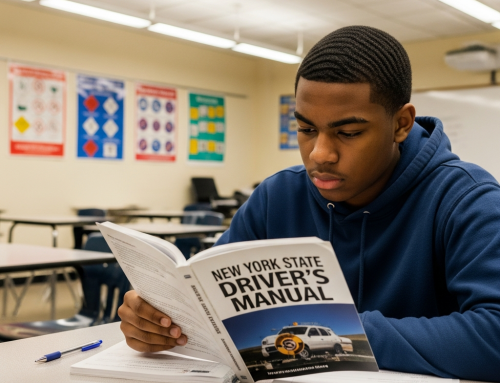
The 5-hour pre-licensing course is… well, it’s exactly what it sounds like. Five hours of classroom instruction that covers everything from road signs to defensive driving techniques. Think of it as driver’s ed’s more focused cousin – not the full semester-long course you might remember from high school, but a concentrated crash course (pun intended) in staying safe on New York roads.
Here’s where it gets a bit confusing though. You can’t just walk into any driving school and expect their 5-hour course to count. The state of New York is pretty particular about who can teach this stuff – and for good reason. They want to make sure you’re learning from instructors who actually know what they’re talking about, not someone who just watched a YouTube video about parallel parking.
The DMV Approval Process – More Complicated Than It Should Be
The New York DMV doesn’t just hand out course approval certificates like Halloween candy. Driving schools have to jump through quite a few hoops to get their 5-hour courses officially recognized.
First, the school needs to be licensed by the state. That’s the baseline – like having a business license, but specifically for teaching people how not to crash into things. Then they need to submit their curriculum for review, prove their instructors are qualified, and show they have proper facilities. It’s actually pretty thorough when you think about it.
But here’s what makes this tricky for students: just because a driving school *exists* doesn’t mean their 5-hour course is DMV-approved. I’ve seen people drive (literally) across town to take a course, only to find out later that their certificate wouldn’t be accepted at the DMV. Talk about frustrating.
Why Location Matters More Than You’d Think
You might assume that if a course is approved in one part of New York, it’s good everywhere in the state. Makes sense, right? Well… it’s not quite that simple.
While the DMV approval is statewide, individual driving schools need to be properly registered and maintain their credentials. Sometimes a school might lose their approval status and continue operating – they’re not necessarily going to put up a big sign saying “Our courses don’t count anymore!”
It’s like when your favorite restaurant’s health department rating drops from an A to a C, but they don’t exactly advertise that change. You have to know where to look to find out.
The Certificate That Actually Matters
At the end of your 5-hour course, you’ll get a certificate. But not all certificates are created equal – and this is where people sometimes run into trouble.
A legitimate, DMV-approved course will give you what’s called an MV-278 certificate. This isn’t just any piece of paper with your name on it. It’s a specific form that the DMV recognizes, with security features and everything. Think of it like the difference between a college diploma and a certificate you could print at home.
The instructor has to fill it out completely – your name, date of birth, the date you completed the course, and their license number. Missing any of this information? The DMV won’t accept it, even if you did sit through all five hours of instruction.
What Happens If You Pick the Wrong Course
Let’s say you accidentally take a course that isn’t DMV-approved. What then? Unfortunately, you’re probably looking at taking another course – the right one this time. The DMV doesn’t typically accept “close enough” when it comes to required documentation.
This isn’t them being mean, exactly. The 5-hour course requirement exists because new drivers who complete it are statistically less likely to get into accidents during their first few years of driving. So the state wants to make sure you’re actually getting quality instruction, not just sitting in a room for five hours.
The good news? Once you know what to look for, avoiding this problem is pretty straightforward. You just need to verify that the specific course you’re considering is currently approved by the DMV. And yes, I said “currently” – approval status can change, though it doesn’t happen super frequently.
What “DMV Approved” Actually Means (And Why It Matters)
Here’s the thing nobody tells you upfront – not all 5-hour courses are created equal, even if they claim to be “DMV approved.” The New York DMV maintains a specific list of approved course providers, and honestly? Some fly-by-night operations will slap that “approved” label on their website faster than you can say “learner’s permit.”
You want to look for the actual DMV course provider number. Legitimate schools will display this prominently – it’s usually a series of letters and numbers that looks something like “NYC-123-456.” If you can’t find this number on their website or they dodge the question when you call… well, that’s your first red flag.
The Secret to Finding Quality Schools in Your Area
Most people just Google “5 hour course near me” and pick the first result. Don’t be most people. The DMV actually has a searchable database on their website where you can filter by county and even zip code. It’s buried a bit deep in their site (typical government website design), but it’s worth the extra clicks.
Pro tip: Call the school directly and ask when they received their most recent DMV inspection. Quality schools get inspected regularly and they’re proud of clean inspection records. If they can’t give you a straight answer or seem surprised by the question… keep looking.
Timing Your Course Strategically
Here’s something I learned the hard way – not all course completion certificates are treated equally by the DMV. Your certificate needs to be dated within 12 months of when you take your road test. Sounds simple, right? But here’s the kicker: some testing centers get backed up for months.
Schedule your 5-hour course *after* you’ve booked your road test appointment, not before. I know it feels backwards – you want to get everything done early – but trust me on this one. You don’t want to be scrambling to retake the course because your certificate expired while you waited for a test slot.
Red Flags to Avoid (Seriously, Don’t Ignore These)
If a school offers to “fast-track” you through the course in less than 5 hours, run. The course is called the 5-hour course for a reason – there’s a mandated curriculum that takes time to cover properly. Same goes for schools that promise you’ll “definitely pass” your road test after taking their course. The 5-hour course is pre-licensing education, not a guarantee.
Another sketchy practice? Schools that won’t let you see their classroom beforehand or insist you pay the full fee upfront without any refund policy. Legitimate operations are confident in their service and transparent about their policies.
Making the Most of Your Course Time
Don’t just sit there and zone out for five hours (tempting as it might be). This course covers stuff your road test examiner expects you to know cold – proper following distances, right-of-way rules, the subtle differences between various traffic signs.
Take notes. I’m serious. The instructor will drop hints about what examiners commonly test for. When they say something like “Examiners love to ask about this,” write it down. These instructors often have connections with local DMV offices and know the testing quirks of different locations.
Questions to Ask Before You Sign Up
Call ahead and ask about their pass rates – not for the 5-hour course (everyone gets a certificate for attending), but ask how their students typically do on the actual road test. Good schools track this data and use it to improve their instruction.
Also ask about makeup policies. Life happens – maybe you get sick or your car breaks down. You want to know you can reschedule without losing your money or having to start over.
The Certificate Game Plan
Once you complete the course, treat that certificate like gold. Make copies (the DMV wants the original, but copies are good backup). Store it somewhere safe where you won’t accidentally throw it away or let your little brother use it for art projects.
Some testing centers are picky about certificate condition – torn, coffee-stained, or wrinkled certificates might cause delays. It sounds ridiculous, but I’ve seen people have to retake courses because their certificate was too damaged to accept.
The bottom line? A little extra research upfront saves you time, money, and frustration later. Don’t just pick the cheapest or most convenient option – pick the right one.
The Website Maze – Finding Legitimate Courses Online
Here’s what actually happens when you start looking: you’ll find dozens of websites claiming to offer “NY DMV approved” courses, and honestly? Half of them look sketchy at best. Some have outdated certificates, others are charging way more than they should, and a few… well, let’s just say they’re not exactly what they appear to be.
The real problem isn’t that there aren’t approved courses – it’s that the legitimate ones get buried under a pile of questionable websites with better SEO. You know how it is – the loudest voice isn’t always the most trustworthy one.
Your best bet? Start with the NY DMV’s official website and work backwards. They maintain a list of approved providers, though I’ll warn you – it’s not the most user-friendly list you’ve ever seen. It’s basically a spreadsheet that looks like it was designed in 1995, but it’s your golden ticket to avoiding scams.
The “Too Good to Be True” Problem
You’ll inevitably stumble across courses promising you can finish in 2 hours instead of 5, or complete it while multitasking. Listen – if it sounds too good to be true, it probably is. The DMV isn’t joking around with that 5-hour requirement.
I’ve seen people try to game the system by having the course running in a background tab while they do other things. Here’s the thing though… most legitimate courses have built-in monitoring. They’ll track if you’re actually paying attention, require periodic check-ins, or even use your webcam to verify you’re present. Fail these checks, and you’re back to square one – minus the money you already spent.
The solution? Just plan for the full 5 hours. I know it feels like a long time (because it is), but trying to shortcut it usually ends up taking longer when you factor in having to start over.
Technical Headaches That Nobody Warns You About
This is where things get really frustrating. You’re already annoyed about having to take the course, and then your browser crashes halfway through. Or the video keeps buffering. Or – and this is a personal favorite – the course was designed for Internet Explorer and you’re using literally any other browser because it’s 2024.
Before you start any course, do a tech check. Make sure your internet connection is stable, close other programs that might slow things down, and honestly? Use a computer rather than your phone if possible. These courses weren’t designed with mobile-first thinking, and you’ll save yourself a lot of headaches.
Also – and I cannot stress this enough – don’t wait until the last minute. If you need the certificate for a court date next week, starting the course the night before is asking for trouble. Technical problems have a way of finding you when you’re under pressure.
The Certificate Confusion
So you’ve finished the course, congratulations! But now you’re staring at your screen wondering… where’s my certificate? Some courses email it immediately, others make you wait 24-48 hours for processing. A few require you to actually log back in and download it yourself.
Here’s what trips people up: not all certificates look the same. Some are fancy PDFs with official seals, others look like they were printed on someone’s home printer. This doesn’t necessarily mean one is more legitimate than the other – it just means different approved providers have different formats.
The key thing to check is that your certificate includes your full name (spelled correctly), the course completion date, and the provider’s DMV approval number. Without these elements, you might as well have a very expensive piece of decorative paper.
When Life Gets in the Way
Let’s be real – life doesn’t pause for defensive driving courses. You might start the course on a Tuesday evening and then your kid gets sick, or work explodes, or any number of things happen. Most legitimate courses understand this and will save your progress, but the rules vary wildly.
Some give you 30 days to complete once you start, others give you 90 days. A few are more strict and expect you to finish within a week. Before you pay anything, check the completion timeframe and make sure it works with your actual life – not your idealized version of your life where you have unlimited free time.
The frustrating part? This information is often buried in the fine print, discovered only after you’ve already paid and started.
What to Expect After Completing Your Course
So you’ve finished your 5-hour pre-licensing course – congratulations! But here’s the thing… completing the course is just step one. I know, I know, you probably thought you’d walk out with your license in hand. That’s not quite how it works, and honestly? That’s probably for the best.
Your instructor should hand you a Student Certificate of Completion (Form MV-278) at the end of class. This little piece of paper is basically your golden ticket – you can’t take your road test without it. Guard it with your life because if you lose it, you’ll need to retake the entire course. Yeah, really.
The certificate is valid for one year from the date of completion, which gives you plenty of time to get your road test scheduled and passed. But here’s where things get… interesting.
The Road Test Reality Check
Let me be straight with you – getting a road test appointment isn’t exactly quick these days. Depending on where you live in New York, you might be looking at wait times anywhere from a few weeks to several months. The NYC metro area? You’ll probably wait longer than folks upstate. It’s just the reality of high demand and limited testing slots.
Some people get frustrated and think they can just drive to a less busy DMV office. Sure, you can do that… but remember you’ll need to be familiar with that area’s roads and traffic patterns for your test. Sometimes it’s worth the wait to test somewhere you know well.
Your Next Steps – The Practical Stuff
First things first: get your learner’s permit if you haven’t already. You need your completed 5-hour course certificate, but you also need to have held your learner’s permit for at least 6 months before you can take the road test. This trips up a lot of people – they finish the course thinking they can test immediately.
Here’s what your timeline might look like
– Complete 5-hour course (you’re here!) – Get/have learner’s permit for 6+ months – Schedule road test (allow several weeks to months for appointment) – Take and pass road test – Get your license
The Practice Period – Don’t Skip This
Those months between getting your course certificate and your road test? That’s not dead time – that’s your practice period. And honestly, you need it more than you think.
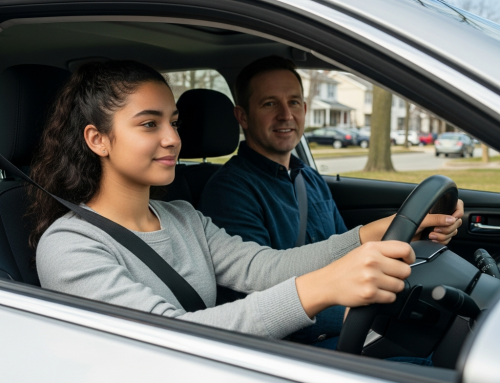
The 5-hour course teaches you the rules and theory, but driving is a skill. It’s like… you can read about riding a bike all day, but you’re still going to wobble the first few times you actually get on one. Use this time to practice with a qualified supervising driver (someone 21+ who’s had their license for at least a year).
Focus on the basics: parking (parallel parking will probably be on your test), three-point turns, proper following distance, and checking your mirrors constantly. Practice in different conditions – rain, heavy traffic, quieter streets. The more comfortable you get behind the wheel, the better you’ll do on test day.
What About Online vs. In-Person Courses?
If you took an online course, your certificate is just as valid as someone who sat through five hours in a classroom. The DMV doesn’t distinguish between the two on your paperwork. But – and this is important – make sure you actually learned something, regardless of format.
I’ve seen people rush through online courses just to get the certificate, then struggle on their road test because they didn’t absorb the material. The course isn’t just a bureaucratic hurdle; it’s actually trying to teach you things that’ll keep you (and everyone else) safe on the road.
Managing the Wait Time
While you’re waiting for your road test appointment, stay engaged with driving. Keep reviewing the driver’s manual – yes, even after your course. Traffic laws don’t disappear from your brain just because you passed a test.
Consider taking a few lessons with a professional driving instructor, especially if you’re feeling nervous. They can spot bad habits before they become ingrained and give you specific tips for your local DMV’s road test route.
The Bottom Line
Your 5-hour course completion is a real accomplishment, but it’s the beginning of your licensing process, not the end. Be patient with the timeline – rushing never helps when you’re dealing with the DMV. Use this time wisely to become a genuinely confident driver, not just someone who can pass a test.
Remember, getting your license isn’t just about checking boxes… it’s about joining a community of drivers who look out for each other on the road.
Finding Your Path Forward
Look, I get it – navigating the whole DMV approval maze can feel overwhelming. You’re probably sitting there wondering if you’re making the right choice, maybe second-guessing yourself about which course to pick. That’s completely normal, and honestly? It shows you’re being thoughtful about this whole process.
The truth is, getting your driving privileges back isn’t just about checking boxes or jumping through hoops (though, let’s be real, there are definitely some hoops to jump through). It’s about getting back to the freedom you’ve been missing – those grocery runs without asking for rides, picking up your kids without coordinating schedules with three other people, or just… being able to go where you need to go when you need to go there.
You’ve already taken the hardest step by acknowledging you need to complete this requirement. That takes courage, and don’t let anyone tell you otherwise. Now you’re doing your homework, making sure you choose a course that’s actually going to count – which is smart. The last thing you want is to spend your time and money on something that won’t get you where you need to be.
Remember, every approved course in New York has to meet the same state standards, but that doesn’t mean they’re all created equal when it comes to convenience, quality, or how they treat you as a person. Some feel like you’re just another number… others actually seem to understand that you’re a real person dealing with real challenges.
The key is finding one that works with your schedule, your budget, and honestly – your comfort level. Maybe you’re more comfortable with an online format, or perhaps you prefer that face-to-face interaction. Maybe you need evening classes because of work, or weekend options because of family obligations. There’s no wrong choice here – just what works best for you.
And here’s something I want you to remember: completing this course doesn’t define you. It’s just one step in moving forward. You’re not the first person to find themselves in this situation, and you certainly won’t be the last. The people who run quality programs understand this – they’ve seen it all, and they’re there to help, not judge.
Getting the Support You Deserve
If you’re still feeling uncertain about which direction to go, or if you have questions that Google just can’t answer… don’t struggle through this alone. Sometimes talking to a real person who understands the ins and outs of these requirements can save you hours of stress and confusion.
Whether you’re wondering about scheduling flexibility, payment options, or just want to know what to expect from the course itself – reaching out for guidance isn’t a sign of weakness. It’s actually pretty wise. Why make this harder on yourself than it needs to be?
We’re here to help you figure out the best path forward for your specific situation. No pressure, no sales pitch – just honest answers to help you make an informed decision. Because at the end of the day, we want the same thing you do: to get you back on the road as smoothly and quickly as possible.
Feel free to give us a call or drop us a message. We’re on your side.