What to Expect on the Day of Your 5 Hour Driving Class

You’re sitting in your car, hands gripping the steering wheel a little too tightly, staring at the DMV building through your windshield. Your heart’s doing that annoying flutter thing it does before big moments – you know, like job interviews or first dates or… apparently, driving classes. The clock on your dashboard reads 7:58 AM, and you’re wondering if you should’ve grabbed that extra cup of coffee. Or maybe skipped it entirely to avoid the inevitable bathroom situation.
Sound familiar?
Here’s the thing about mandatory driving classes – they feel like punishment even when they’re not. Whether you’re here because of a traffic violation, trying to lower your insurance rates, or fulfilling a court requirement, there’s this underlying anxiety that comes with not knowing what you’re walking into. It’s like being the new kid at school, except instead of wondering where the cafeteria is, you’re wondering if the instructor is going to be that guy who makes everyone feel stupid for asking questions.
And let’s be honest… five hours feels like forever when you don’t know what’s coming.
I get it. You’ve probably got a million other things you’d rather be doing on your Saturday morning. Maybe you had to rearrange your whole weekend around this class, or perhaps you’re missing your kid’s soccer game, or that brunch with friends you’ve been looking forward to all week. The frustration is real, and it’s totally valid.
But here’s what I wish someone had told me before my first driving class (yes, even health and wellness writers have driving mishaps – shocking, I know): these classes aren’t designed to torture you. They’re actually… dare I say it… pretty manageable once you know what to expect. The anticipation is almost always worse than the reality.
Think of it like going to the dentist. You spend weeks dreading the appointment, imagining all sorts of uncomfortable scenarios, and then you walk out thirty minutes later thinking, “That wasn’t nearly as bad as I thought it would be.” Driving classes have that same energy – except instead of a dental cleaning, you’re getting a refresher course on staying safe on the road.
The truth is, most people walk into these classes feeling defensive, embarrassed, or just plain annoyed. You’re not alone in that. But the instructors? They’ve seen it all. They know you don’t want to be there, and surprisingly, most of them are pretty decent humans who understand that life happens to good people.
What really matters here isn’t just surviving the next five hours – though we’ll definitely make sure you do that comfortably. What matters is walking out of there feeling like you actually gained something valuable, instead of just checking a box on your legal requirements. Because whether you’re 17 or 70, whether this is your first time behind the wheel or you’ve been driving since before GPS existed, there’s always something new to learn about sharing the road safely.
Over the next few minutes, we’re going to walk through exactly what your day will look like, from the moment you park your car until you walk out with your completion certificate in hand. We’ll talk about what to bring (spoiler alert: it’s less than you think), what the classroom environment is actually like (hint: not as intimidating as you’re imagining), and how to make the whole experience as painless as possible.
You’ll learn about the typical class structure, what kinds of topics get covered, and yes – we’ll address the bathroom situation and whether you can sneak a snack. We’ll also tackle some of the common anxieties people have, like what happens if you disagree with something the instructor says, or whether you need to take notes like you’re back in college.
Because here’s the thing – you’re already doing the hard part by showing up. Everything else? That’s just logistics.
So take a deep breath, grab that coffee (you’ll want it), and let’s demystify this whole driving class experience. By the time we’re done, you’ll know exactly what to expect, and hopefully, you’ll feel a little less like you’re walking into the unknown and a little more like you’ve got this handled.
After all, it’s just five hours. You’ve survived longer meetings, I’m sure.
What Exactly Is a 5 Hour Course Anyway?
Look, the name itself is pretty confusing – and honestly, whoever came up with “5 hour driving class” wasn’t exactly going for clarity. It’s not like you’re learning to drive for five straight hours (thank goodness), and it’s definitely not your typical behind-the-wheel lesson.
Think of it more like driver’s ed boot camp. You’re getting a concentrated dose of everything they wish they could’ve taught you before handing over those car keys. The course covers the serious stuff – defensive driving techniques, accident prevention, and all those scenarios your regular driving instructor might’ve glossed over because, well, they’re kind of intense to think about.
The Real Purpose Behind All This
Here’s where it gets a bit counterintuitive. You’d think a 5 hour course would be mostly about improving your actual driving skills, right? Like parallel parking or mastering three-point turns?
Not exactly. It’s more about rewiring how you think about driving. The course is designed around something called “risk reduction” – basically teaching your brain to spot trouble before it spots you. You know that split second when you see a car swerving in your rearview mirror and you just *know* something’s about to happen? That’s the kind of awareness they’re trying to develop.
Most of us learn to drive by… well, just driving. We pick up habits (good and bad), develop our own little systems, and somehow muddle through. But this course is like having someone point out all the things you never noticed you were doing – or should’ve been doing.
Who Actually Takes These Classes?
The mix of people in your class might surprise you. Sure, there are folks who got tickets and need to complete the course for insurance discounts or court requirements. But you’ll also find new drivers looking to lower their premiums, older drivers wanting a refresher, and people who’ve had a close call that made them think, “Maybe I should actually learn how to do this better.”
I’ve seen classes with everyone from 18-year-olds fresh out of driver’s ed to retirees who decided they wanted to brush up after decades of driving. It’s actually kind of refreshing – like a cross-section of people who all decided to take driving more seriously.
The Psychology Behind the Learning
Now, here’s something that might feel a bit weird at first. Much of the course focuses on changing your mindset rather than your mechanics. They’re not necessarily going to teach you a better way to grip the steering wheel (though they might). Instead, they’re working on the mental side of things.
Think of it like this – if regular driving lessons are like learning to play piano, the 5 hour course is more like learning music theory. You’re studying the why behind the what. Why do most accidents happen within five miles of home? Why does tailgating actually make your commute longer, not shorter? Why do experienced drivers sometimes make more dangerous mistakes than beginners?
What Makes This Different from Regular Driver’s Ed
Remember driver’s ed from high school? The grainy videos, the instructor who seemed perpetually caffeinated, the general feeling that everyone was just trying to get through it? This is… different.
For one thing, everyone in the room actually wants to be there – or at least has a compelling reason to pay attention. There’s less eye-rolling and more genuine engagement. The instructors know they’re working with people who’ve already been driving, so they can skip the “this is a turn signal” basics and get into the meatier stuff.
The content is also more, well, real. Instead of talking about hypothetical scenarios, you’re discussing situations you’ve probably encountered. That moment when someone cuts you off and your heart rate spikes? They’ll break down what actually happened in your brain and body during those few seconds.
Setting Realistic Expectations
Here’s the thing – you’re not going to leave this class as some sort of driving superhero. It’s more subtle than that. You might find yourself checking your mirrors more often, or leaving a bit more space between you and the car ahead. You might actually start noticing those yellow “suggested speed” signs on highway curves… and maybe even following them.
The changes often happen gradually, almost without you realizing it. Kind of like how you don’t notice you’re getting stronger when you start working out, but one day you realize carrying groceries isn’t quite as exhausting as it used to be.
What to Pack – Your Survival Kit for Success
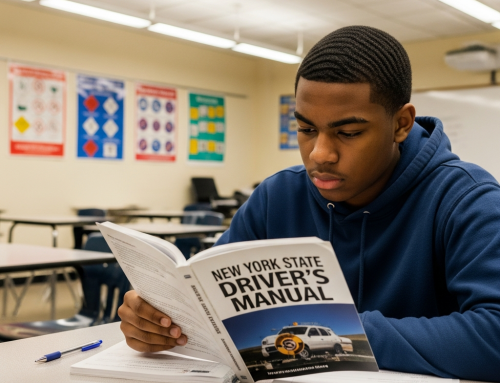
You’re probably wondering what to bring besides yourself and maybe a good attitude, right? Well, let me share what I’ve learned works best. First off – and this might sound obvious but trust me – bring a notepad and at least two pens. Not because you’re back in school, but because when your instructor drops those golden nuggets of wisdom about parallel parking or highway merging… you’ll want to remember them when you’re practicing later.
Pack some water and light snacks. Think granola bars, not a full meal. Your brain needs fuel during those five hours, but you don’t want to feel sluggish from overeating. I always tell people to avoid anything too sugary – that energy crash hits right when you need to focus on three-point turns.
Oh, and comfortable shoes! You’ll be getting in and out of cars, adjusting pedals, and you definitely don’t want your feet cramping up during the practical portions.
The First Hour – Setting Yourself Up for Success
Here’s what most people don’t expect: the first hour usually feels a bit overwhelming. You’re meeting new people, getting oriented, and your instructor is probably covering a lot of ground quickly. Don’t panic if you feel like you’re drinking from a fire hose.
Take a seat toward the front if possible – not because you’re trying to be teacher’s pet, but because you’ll hear better and see any demonstrations more clearly. Plus, it’s harder to zone out when you’re right there.
Your instructor will likely start with introductions and an overview of what the day will cover. This is when you want to speak up if you have specific concerns or areas where you feel less confident. Maybe highway driving makes you nervous, or you’ve been struggling with parking. Mention it! Good instructors will make sure to address your particular worries throughout the day.
Making the Most of Break Times
Those 10-15 minute breaks aren’t just for stretching your legs – though definitely do that. Use this time strategically. If something from the previous section confused you, now’s your chance to ask questions without feeling like you’re holding up the whole class.
I’ve noticed that some of the best learning happens during these informal moments. Other students might share tips that work for them, or you might realize you’re not the only one who finds roundabouts intimidating. There’s something reassuring about discovering your struggles are pretty universal.
Also… this might sound silly, but use the bathroom even if you don’t think you need to. Five-hour classes have a way of making nature call at the most inconvenient moments.
When It’s Your Turn Behind the Wheel
This is where things get real, and honestly, where most people feel their nerves kick in. Here’s the thing though – your instructor has seen it all. The student who couldn’t figure out the windshield wipers, the one who forgot which pedal was the brake… you’re not going to surprise them.
Start by adjusting everything before you even think about turning on the engine. Seat position, mirrors, steering wheel height if it adjusts. Take your time with this. A lot of driving anxiety comes from feeling physically uncomfortable or unable to see properly.
When you first start driving, resist the urge to grip the steering wheel like you’re holding on for dear life. I know it’s tempting, but relaxed hands actually give you better control. Think of holding a bird – firm enough that it won’t fly away, gentle enough that you won’t hurt it.
Handling Mistakes and Building Confidence
You’re going to make mistakes. Everyone does, even experienced drivers learning new techniques. The key is how you handle them. When you mess up – and you will – take a breath, acknowledge it briefly, and move on. Don’t let one imperfect parallel parking attempt ruin your confidence for the rest of the day.
Your instructor might have you repeat certain maneuvers until you get comfortable with them. This isn’t punishment; it’s practice. Each repetition builds muscle memory, and muscle memory is what keeps you safe when you’re driving independently.
By the end of those five hours, you’ll probably feel a mix of exhaustion and accomplishment. That’s completely normal. You’ve absorbed a lot of information and practiced skills that felt foreign just hours earlier. Give yourself credit for showing up and pushing through – that’s actually the hardest part.
When Your Brain Hits Information Overload
Let’s be honest – five hours is a marathon for your attention span. Around hour three, you’ll probably feel like your brain is trying to drink from a fire hose while riding a unicycle. It’s completely normal, and frankly, anyone who says they stayed laser-focused for the entire session is either lying or has superhuman concentration powers.
The trick isn’t fighting the mental fatigue… it’s working with it. Bring a small notebook – not for extensive notes, but for jotting down key phrases or drawing silly diagrams that’ll help you remember later. When your instructor talks about following distance, maybe you sketch a car with exaggerated space behind it. Sounds ridiculous? Maybe. Does it help your tired brain hang onto information? Absolutely.
Also – and this might sound counterintuitive – don’t try to absorb everything perfectly the first time. Give yourself permission to zone out occasionally. The important stuff gets repeated, and honestly, some of what you’ll hear is review anyway.
The Fidget Factor (And Why Sitting Still is Torture)
Five hours in a classroom chair when you’re used to moving around? Your body’s going to rebel. Your leg will start bouncing, your back will ache, and you’ll probably shift positions approximately 847 times. This isn’t a character flaw – it’s biology.
Most instructors understand this and build in breaks, but here’s what they won’t tell you: you can help yourself between official breaks. Subtle foot flexing under the desk works wonders. So does the occasional shoulder roll or neck stretch. If you need to stand up during a video segment, most instructors won’t mind – just do it quietly.
Pack some comfortable layers too. Classroom temperatures are unpredictable, and being too hot or too cold will make that chair feel even more uncomfortable than it already does.
The Participation Pressure Cooker
Some people thrive on group discussions and eagerly raise their hands. Others… well, others would rather hide under the desk than speak up in front of strangers. If you’re in the second camp, here’s something that might help: most driving instructors aren’t looking for brilliant insights or perfect answers.
They want to see engagement, sure, but nodding along and making eye contact counts as participation too. You don’t need to be the star student who answers every question. Actually, that person usually annoys everyone else anyway.
If the instructor does call on you directly and your mind goes blank, try this magic phrase: “Could you repeat the question?” It buys you thinking time and shows you’re trying to engage. Works like a charm.
Technology Tantrums and Other Technical Difficulties
Modern driving courses often include videos, interactive presentations, or online components. Murphy’s Law practically guarantees that something will glitch, freeze, or refuse to load properly. When this happens – and it will – resist the urge to check your phone or tune out completely.
Technical delays actually create perfect opportunities for informal Q&A sessions. These unscripted moments often yield the most practical advice because instructors drop their formal presentation mode and just… talk. You might learn more about real-world driving situations during a five-minute tech delay than in a perfectly polished video segment.
The Information Retention Reality Check
Here’s something nobody wants to admit: you’re going to forget a lot of what you hear today. Not because you’re not smart enough or paying attention, but because that’s how human memory works. We’re not USB drives.
The secret isn’t trying to memorize everything – it’s identifying what actually matters for your specific situation. New driver? Focus on the basics like right-of-way rules and following distances. Refresher course after a ticket? Pay extra attention to whatever behavior got you in trouble in the first place.
Take a photo of any handouts with your phone (most instructors are fine with this). You’ll thank yourself later when you’re trying to remember whether it was three seconds or four seconds of following distance.
Making Peace with the Clock
That final hour is going to feel like it’s moving backward. Your phone will become magnetically attractive, your stomach will start making demands, and every minute will stretch like taffy. This is when most people mentally check out – right when some of the most important information gets covered.
Combat this by setting tiny goals. “I’ll pay attention until the next break.” “I’ll focus for this one video segment.” Small wins that get you to the finish line without feeling like you’re climbing Mount Everest in flip-flops.
Setting Realistic Expectations for Your Learning Experience
Let’s be honest here – you’re not going to walk out of this class ready to parallel park like a pro or navigate a busy highway interchange with the confidence of a seasoned trucker. That’s perfectly normal, and anyone who tells you otherwise is probably selling something.
Most students leave their 5-hour class with a solid foundation… think of it like learning the alphabet before you write a novel. You’ll understand the rules, recognize the signs, and have a clearer picture of what safe driving actually looks like. But turning that knowledge into muscle memory? That’s going to take practice behind the wheel.
Some students feel overwhelmed by all the information – and honestly, that’s a good sign. It means you’re taking it seriously. Others worry they didn’t absorb everything perfectly. Here’s the thing: you’re not expected to memorize every single detail. The goal is understanding the big picture and knowing where to find specific information when you need it.
Your Certificate and What Happens Next
You’ll walk out with your certificate of completion – don’t lose this thing! Seriously, put it somewhere safe the moment you get home. Some students have had to retake the entire class because they misplaced their certificate, and trust me… nobody wants to sit through those intersection videos twice.
This certificate is your ticket to the next phase, whether that’s scheduling your road test or simply proving to your insurance company that you’ve completed the required education. Different states have different rules about how long this certificate stays valid, so check with your local DMV if you’re not planning to take your road test right away.
The Reality Check About Actual Driving
Here’s where I need to manage expectations a bit. The classroom portion teaches you what to do, but actually doing it? That’s a whole different challenge. It’s like the difference between reading about riding a bike and actually getting on one without training wheels.
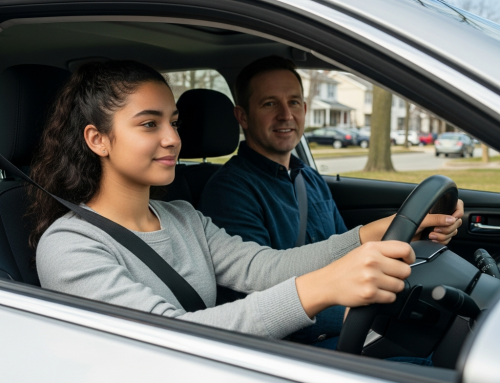
Your first few times behind the wheel might feel… well, terrifying. That’s completely normal. You’ll probably grip the steering wheel too tightly, brake a little too hard, and question every single decision you make. Your instructor (or whoever’s brave enough to sit in the passenger seat) will likely have their own moments of panic too.
Most new drivers need anywhere from 20 to 40 hours of actual driving practice before they feel somewhat comfortable, and even then, certain situations – like merging onto highways or driving in heavy rain – might make your palms sweaty for months.
Building on What You’ve Learned
Think of today’s class as laying the foundation of a house. You wouldn’t try to put up the walls without it, but you also can’t live in just a foundation. The real learning happens when you start applying these concepts in real-world situations.
Consider keeping your class materials handy for the first few weeks of driving practice. Actually, scratch that – keep them for the first few months. There’s no shame in reviewing the right-of-way rules or refreshing yourself on what different road signs mean. Even experienced drivers forget things sometimes (don’t tell them I said that).
Moving Forward Strategically
If you’re planning to take your road test soon, most driving instructors recommend getting some practice time with a qualified instructor before the big day. Yes, it costs extra money, but think of it as insurance against having to retake the test… which also costs money and definitely bruises the ego.
For those who aren’t quite ready for the road test yet, take your time. There’s no prize for rushing into something you’re not prepared for. Practice in empty parking lots, quiet residential streets, and gradually work your way up to busier roads when you feel more confident.
Remember, everyone learns at their own pace. Some people are natural drivers who seem to just “get it” quickly. Others need more time and practice to feel comfortable. Both approaches are perfectly fine – what matters is that you end up as a safe, confident driver, not how long it took you to get there.
The road ahead (pun intended) is going to have its challenges, but you’ve taken an important first step today. Give yourself credit for that.
You’re More Ready Than You Think
Here’s the thing about that five-hour class – it’s going to feel like a lot before you walk in, but honestly? Most people leave feeling pretty good about the whole experience. Not because it was easy necessarily, but because they realize they actually absorbed more than they expected.
You’ll probably surprise yourself with how much you already know. Those road signs you’ve been seeing from the passenger seat your whole life? They’ll start making real sense. The parallel parking demo that seemed impossible at first… well, it might still seem tricky, but at least you’ll understand the steps. And that’s really what this is all about – breaking down driving into manageable pieces instead of this overwhelming “thing” you have to master all at once.
Don’t worry if you feel a bit scattered when you leave. That’s completely normal. Your brain will have processed a ton of new information, and sometimes it takes a day or two for everything to settle. You might find yourself noticing things differently when you’re riding in cars – checking mirrors more, paying attention to following distances, actually reading those road signs instead of just zoning out.
The permit test? You’re going to be so much more prepared than you realize. Sure, you’ll still want to study (and please do), but that foundation from your five-hour class will make everything click together better. It’s like… you know when you’re putting together a puzzle and suddenly you find the corner pieces? That’s what this class does for driving knowledge.
And listen, if you’re feeling nervous about the actual driving part that comes next – that’s totally understandable. Learning to drive is honestly one of the bigger life skills we tackle, and it’s okay to feel a mix of excitement and anxiety about it. The good news is that everything you learned in class will start making real-world sense once you’re behind the wheel with an instructor.
Actually, that reminds me – a lot of students tell us they wish they’d started their actual driving lessons sooner after the classroom portion. While everything’s still fresh, you know? But there’s no pressure there… everyone moves at their own pace.
We’re Here When You’re Ready
If you’re thinking about taking that next step into actual driving lessons, we’d love to help you figure out what makes sense for your situation. Maybe you’re ready to jump right in, or maybe you want to wait a few weeks – either way is perfectly fine.
Our instructors get it. They remember what it felt like to be new to all this, and they’re really good at meeting you exactly where you are. No judgment, no rushing, just solid guidance to help you become the confident driver you want to be.
Feel like chatting about what your next steps might look like? Give us a call or shoot us a message. We’re here to answer questions, ease any worries, and help you plan out a learning approach that actually works for your schedule and comfort level. You’ve already taken the first big step by completing that five-hour class – and honestly, we’re excited to see where you go from here.