7 Reasons New York Drivers Choose an Online 5 Hour Course

You’re sitting in bumper-to-bumper traffic on the Cross Bronx Expressway at 8 AM on a Tuesday, watching the minutes tick by on your phone. That defensive driving course you’ve been putting off? The one that could save you 10% on your car insurance and knock points off your license? Yeah, it’s still sitting there on your mental to-do list, right between “organize the closet” and “finally call Mom back.”
Here’s the thing – you’re not alone. Thousands of New York drivers are in exactly the same boat, staring down that mandatory 5-hour pre-licensing course or that defensive driving requirement, wondering how on earth they’re supposed to squeeze six hours (because let’s be honest, nothing ever runs exactly on time) out of their already packed schedule.
Maybe you’ve driven past one of those brick-and-mortar driving schools, the ones with the faded signs and fluorescent lighting that screams “this is going to be painful.” Or perhaps you’ve called a few places, only to discover their weekend classes are booked solid for the next month and a half. If you’re like most New Yorkers, the idea of spending your precious Saturday sitting in a stuffy classroom while someone drones on about right-of-way rules… well, it’s about as appealing as a root canal.
But here’s where things get interesting – and honestly, a lot more convenient than you might think.
The world has changed pretty dramatically in the past few years (understatement of the century, right?), and driver education has changed right along with it. That online 5-hour course option that maybe seemed sketchy or somehow “less official” a few years ago? It’s not only legitimate – it’s become the go-to choice for drivers across New York who’ve figured out there’s actually a smarter way to handle this requirement.
I’m talking about real, state-approved courses that satisfy all the same requirements as those in-person classes, but without the commute, without the rigid scheduling, and definitely without having to make small talk with strangers at 9 AM on a weekend. You know what I mean – that awkward classroom energy where everyone’s clearly wishing they were anywhere else.
The truth is, online defensive driving courses have evolved way beyond those early, clunky programs that felt like digital punishment. Today’s options are actually… dare I say it… pretty engaging. Some even manage to be genuinely helpful instead of just something to endure. And the benefits? They go far beyond just checking a box for the DMV.
We’re talking about real money back in your pocket through insurance discounts that can add up to hundreds of dollars over time. We’re talking about flexibility that actually works with your life instead of against it. And if you’re someone who’s been dreading this whole process because traditional classroom settings aren’t your thing – maybe you’re an introvert, maybe you learn better at your own pace, maybe you just really hate sitting still for hours – well, the online route might just be exactly what you didn’t know you were looking for.
Over the next few minutes, we’re going to walk through seven solid reasons why so many New York drivers are choosing to tackle their 5-hour course online. And I’m not talking about vague benefits or marketing fluff – these are practical, real-world advantages that could genuinely make your life easier and your wallet a little heavier.
From the obvious perks like doing it in your pajamas (hey, no judgment here) to some surprising advantages you might not have considered – like better retention rates and more personalized learning – we’ll cover what actually matters when you’re trying to figure out the smartest way to handle this requirement.
Because let’s face it: you’ve got better things to do than worry about driving courses. The sooner you knock this out efficiently, the sooner you can get back to… well, whatever it is you’d rather be doing. Probably not sitting in traffic on the Cross Bronx, but we can’t solve everything.
What Exactly Is This 5-Hour Course Anyway?
You know how everyone talks about “the 5-hour course” like it’s this universally understood thing? Well, if you’re scratching your head wondering what the heck everyone’s referring to – you’re not alone. It’s one of those New York quirks that sounds way more mysterious than it actually is.
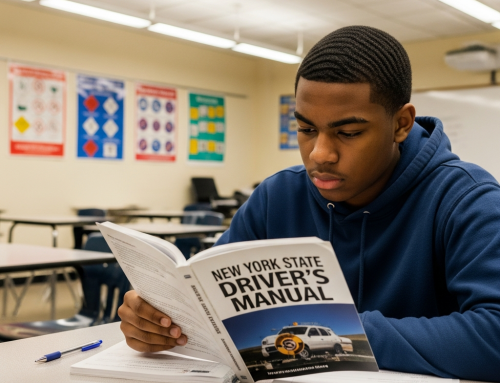
The Pre-Licensing Course (that’s the official name, though nobody calls it that) is basically New York’s way of making sure you understand the rules before they hand you the keys to a two-ton metal projectile. Think of it as driver’s ed for adults – except instead of sitting in a classroom with teenagers talking about their weekend plans, you’re learning alongside people who’ve been putting off getting their license for… well, sometimes decades.
Here’s the thing though – and this is where it gets a bit weird – you don’t actually drive during this course. Not even once. It’s purely classroom-style learning about traffic laws, safety, and all those important-but-not-exactly-thrilling topics like right-of-way rules and blood alcohol limits.
The Traditional Route vs. The Digital Alternative
For years, taking this course meant one thing: showing up to a brick-and-mortar location, sitting in an uncomfortable plastic chair, and hoping the instructor didn’t have the personality of dry toast. You’d block out an entire day (because let’s be honest, between travel time and the actual course, that’s what it became), pray for decent parking, and cross your fingers that life wouldn’t throw you any curveballs that day.
But here’s where things get interesting – and frankly, a lot more convenient. Online versions started popping up, and suddenly you didn’t need to rearrange your entire existence around someone else’s schedule.
The online format covers the exact same material. Same learning objectives, same state requirements, same certificate at the end. It’s like choosing between going to a movie theater or streaming at home – you’re getting the same story, just in a format that might work better for your life.
Breaking Down the Requirements
Let’s talk nuts and bolts for a second, because the requirements can feel… well, kind of arbitrary. You need this course if you’re applying for your first New York driver’s license and you’re 18 or older. Doesn’t matter if you’ve been driving in other states for twenty years – New York wants you to take their course. It’s like that friend who insists on explaining the rules to Monopoly even though everyone already knows how to play.
The course itself covers six main areas: traffic laws (obviously), defensive driving techniques, the effects of alcohol and drugs on driving, road signs and markings, safe driving practices, and – this one’s important – sharing the road with pedestrians and cyclists. That last part? Super relevant if you’ve ever tried to navigate Manhattan during rush hour.
Why the Resistance to Online Learning?
Here’s something that might surprise you – a lot of people are still hesitant about online driver education. There’s this lingering feeling that “real” learning happens in person, face-to-face. I get it, honestly. There’s something about sitting in a room with an instructor that feels more… official? More serious?
But think about it this way – when was the last time you learned something complex purely through lecture-style teaching? Most of us learn better when we can pause, rewind, take notes at our own pace. Online courses let you do exactly that.
The state of New York has pretty strict standards for these online programs too. They’re not just thrown together by some random company – they have to meet specific educational requirements and be approved by the Department of Motor Vehicles.
What You’re Actually Getting Yourself Into
The content itself isn’t exactly riveting – let’s be real here. You’re learning about traffic violations, insurance requirements, and the proper way to merge onto the BQE (good luck with that one in real life). But here’s the thing that makes it bearable: you can take breaks.
Feeling your eyes glaze over during the section on commercial vehicle regulations? Take a coffee break. Need to actually pay attention to your job for a few hours? Close the browser and come back later. Most online courses save your progress automatically – which is honestly pretty great when you consider that traditional courses expect you to sit through all five hours in one shot.
The certificate you get at the end? It’s valid for exactly one year from completion, so don’t drag your feet on that road test…
Making the Most of Your Virtual Learning Environment
Look, I get it – sitting in front of a computer for five hours sounds about as exciting as watching paint dry. But here’s the thing most people don’t realize: you’ve got way more control over your learning experience than you think.
First off, ditch the kitchen table. I mean it. Find a spot where you won’t be tempted to fold laundry or grab snacks every ten minutes. Your brain needs to know this is “school time,” not “Netflix and chill time.” Set up near a window if you can – natural light keeps you more alert than those harsh overhead fluorescents.
And here’s a pro tip that’ll save your sanity: have a backup plan for your internet. Nothing’s worse than being three hours in and having your WiFi decide to take a vacation. Know where the nearest coffee shop with reliable internet is, or better yet, test your phone’s hotspot capability beforehand.
Timing Your Course Like a Pro
The state says you can break this course up however you want – within reason. But not all hours are created equal, trust me on this.
Your best bet? Start early in the day when your brain’s still fresh. I’ve seen too many people try to power through all five hours after a full day at work, only to find themselves zoning out during the most important sections. That’s not doing anyone any favors.
Try the 2-1-2 approach: knock out two hours in the morning, take a proper lunch break (and I mean step away from the screen entirely), then finish with one hour, another break, and wrap up with the final two. Your attention span will thank you.
Actually, that reminds me – some courses let you pause and resume, but others require you to complete sections in one sitting. Check this before you start. Nothing’s more frustrating than losing progress because you had to answer the door for a delivery.
Gaming the System (Legally, Of Course)
Here’s something the course providers won’t tell you: most online platforms track your engagement differently. Some require you to click through every slide, others just need you to stay logged in for the full time.
But – and this is important – don’t try to cheat the system. These courses actually contain useful information that could keep you alive on New York roads. That said, you can be strategic. Keep a notebook handy and jot down key points as you go. It keeps your hands busy and helps the information stick better.
Many platforms also have practice quizzes scattered throughout. Don’t skip these thinking they’re optional busy work. They’re usually pulling from the same question bank as your final exam.
Technical Troubleshooting Before You Need It
Nothing derails your momentum like technical hiccups, so let’s head them off at the pass.
Clear your browser cache before starting – I know it sounds nerdy, but old data can slow things down. Close other tabs and applications you’re not using. Your computer’s working hard enough without trying to stream music and run seventeen Chrome tabs simultaneously.
If you’re using an older computer or tablet, check the system requirements first. Some courses need newer browsers or specific plugins. Finding this out two hours into your course is… well, it’s not fun.
And please, for the love of all that’s holy, make sure your device is plugged in or fully charged. I’ve heard horror stories of people losing progress because their laptop died at hour four.
Getting the Most Value From Required Content
I know, I know – you just want to get through this requirement and move on with your life. But since you’re stuck here anyway, you might as well make it count.
Pay special attention to the New York-specific traffic laws. Every state’s different, and if you’re new to driving here (or just rusty), this stuff actually matters. The section on aggressive driving and road rage? Yeah, that’s basically a survival guide for the FDR Drive during rush hour.
Take mental notes about the penalty points system too. Understanding how violations stack up could save you from losing your license down the road – literally.
The defensive driving techniques might seem obvious, but they’re designed around real accident data. That three-second following distance rule? It’s not arbitrary. It’s based on actual stopping distances and reaction times.
Most importantly, don’t just click through to get it over with. This information becomes part of your permanent driving record, and honestly, New York roads don’t forgive ignorance.
When Life Gets in the Way
Let’s be real – taking any course, even online ones, comes with its share of headaches. You’re already juggling work, family, maybe school, and now you’ve got this 5-hour requirement hanging over your head. The good news? Most of the obstacles people face are totally fixable once you know what you’re dealing with.
The biggest complaint we hear? Time management. You sign up thinking you’ll knock it out in one evening, then reality hits. Your boss needs that report tomorrow. The kids are sick. Your internet decides to take a vacation right when you’re halfway through module three.
Here’s what actually works: treat it like binge-watching a series, not cramming for finals. Most online courses let you pause whenever you need to. So instead of blocking out five straight hours (which, let’s face it, rarely happens), break it into chunks. Twenty minutes while your coffee brews. Another thirty during lunch. Maybe an hour after dinner when the house finally quiets down.
The Technology Trap
“I’m not good with computers” – we hear this one a lot, especially from folks who’ve been driving since before smartphones existed. And honestly? Some course platforms are genuinely confusing. They’re designed by people who think everyone’s a tech wizard.
But here’s the thing – most online driving courses are actually simpler than ordering takeout on your phone. The companies know their audience isn’t necessarily tech-savvy, so they’ve streamlined things. Still feeling nervous? Do a quick test run. Log in, click around for a few minutes, see how the navigation works. Most platforms offer practice demos or tech support that’s actually helpful (not the kind that makes you feel stupid for asking).
Fighting the Focus Battle
Staying focused for hours while staring at a screen is tough. Your brain starts wandering. You realize you’ve been thinking about your grocery list for the past ten minutes while some instructor drones on about right-of-way rules.
The solution isn’t willpower – it’s working with your brain, not against it. Take notes by hand (yes, old school, but it works). Pause the video and repeat key points out loud. Some people find that doing light stretches or walking in place helps them stay alert. And that 20-20-20 rule? Every 20 minutes, look at something 20 feet away for 20 seconds. Your eyes will thank you.
The Motivation Slump
Around hour three, the excitement of “finally getting this done” usually wears off. The material starts feeling repetitive. You begin questioning whether you really need to know the exact stopping distance at 35 mph (spoiler: you do, for the test at least).
This is where having a clear “why” helps. Maybe it’s getting cheaper insurance. Maybe it’s that job that requires a clean driving record. Maybe you just want to stop feeling guilty about that ticket from two years ago. Write it down and stick it where you can see it. When motivation dips, remind yourself what’s waiting on the other side.
The Perfectionist Problem
Some people get stuck trying to achieve 100% on every quiz or module. They’ll retake sections repeatedly, worried they’re not absorbing enough information. Meanwhile, the clock keeps ticking and frustration builds.
Here’s a reality check – the goal is completion and basic competency, not becoming a traffic law scholar. Most courses require around 70% to pass. Focus on understanding the main concepts rather than memorizing every detail. You can always review specific topics later if needed.
Technical Glitches and Platform Issues
Nothing’s more frustrating than losing progress because the website crashed or your internet hiccupped. Unfortunately, this stuff happens – usually at the worst possible moment.
The fix? Take screenshots of your progress regularly. Most platforms automatically save your spot, but having backup proof never hurts. If something goes wrong, contact customer support immediately with specifics about what happened and when. Most reputable course providers will restore your progress or offer extensions when technical issues occur.
The bottom line? These challenges are normal, not personal failings. Every single person who’s completed an online 5-hour course has faced at least a few of these hurdles. The ones who finish are simply the ones who expected obstacles and had a plan for dealing with them.
What to Expect When You Sign Up
Look, I’m going to be straight with you about timelines here. Most people think they’ll knock out their 5-hour course in one sitting – maybe Sunday afternoon with a cup of coffee and some good intentions. And you know what? Some of you actually will.
But here’s the reality check… life happens. You’ll start strong, get through the first hour about traffic laws (riveting stuff, truly), then your kid needs help with homework. Or your boss calls. Or you realize you’ve been staring at the screen for 20 minutes thinking about what to make for dinner.
The average person takes 2-3 sessions to complete their course. That’s totally normal. The system saves your progress automatically, so you can jump back in exactly where you left off – even if that’s three days later when you remember you were supposed to be doing this thing.
Your First 48 Hours After Enrolling
Once you’ve signed up, you’ll get immediate access to the course platform. Don’t feel pressured to start right away, though. I’ve seen people stress themselves out thinking they need to finish everything immediately.
Take a few minutes to explore the interface first. Click around, see how the navigation works, maybe watch the first few minutes to get a feel for the instructor’s pace. Some courses let you adjust playback speed – honestly, this can be a game-changer if you’re someone who processes information quickly.
Pro tip from someone who’s helped thousands of students: bookmark the login page. Sounds obvious, but you’d be surprised how many people spend 10 minutes trying to find their way back to the course three days later.
The Learning Curve (And Why It’s Actually Helpful)
Here’s something interesting – the people who struggle a bit with the online format initially often end up retaining the information better. Maybe it’s because they’re more engaged, or maybe the extra time helps things sink in.
Don’t worry if you need to rewind sections or take notes. Actually, that’s smart. The goal isn’t to race through this thing; it’s to actually learn what you need to know to be a safer driver.
Some topics will click immediately – like right-of-way rules that just make logical sense. Others might take a couple of passes. The section on New York’s specific regulations? Yeah, that one trips up a lot of people, even locals.
Getting Your Certificate
This part is usually smoother than people expect. Most reputable online courses generate your certificate immediately after you complete the final quiz. You’ll typically get it via email as a PDF – make sure to save it somewhere you’ll remember.
Important timing note: If you need this certificate for a court appearance or DMV appointment, don’t cut it too close. Give yourself at least a week of buffer time. Technology glitches happen (rare, but they do), and you don’t want to be frantically calling customer service the night before your court date.
Following Up With the Right Agencies
Your certificate is just the first step. Depending on why you’re taking the course, you might need to submit it to different places
– Court-ordered courses: Usually need to be filed with the court clerk within a specific timeframe – Insurance discounts: Contact your insurance company – they’ll tell you exactly how to submit it – Point reduction: The course provider typically reports directly to the DMV, but keep your certificate as backup
Don’t assume everyone talks to everyone else. Government agencies… well, let’s just say coordination isn’t always their strong suit.
What Happens Next
Once you’ve submitted your certificate where it needs to go, there’s usually a waiting period. Insurance discounts might take 1-2 billing cycles to show up. Point reductions can take several weeks to appear on your driving record.
This waiting period is actually perfect for putting what you learned into practice. Those defensive driving techniques you just studied? Try them out. You might be surprised how much more aware you become of other drivers’ bad habits – and your own.
The truth is, most people finish their 5-hour course feeling pretty good about the experience. It’s not exactly thrilling entertainment, but it’s manageable, and you usually learn something useful. Plus, there’s that satisfying feeling of checking something important off your to-do list.
Just remember – this isn’t a race. Take your time, absorb the information, and don’t stress if it takes you longer than expected. You’ve got this.
Here’s the thing – when you’re juggling everything life throws at you in New York, the last thing you need is another complicated hoop to jump through. But that defensive driving requirement? It doesn’t have to be the nightmare you’re imagining.
Think about it… you’re already managing work deadlines, family obligations, maybe even a side hustle. Your schedule looks like a game of Tetris where none of the pieces fit quite right. The beauty of choosing an online course is that it actually works *with* your life instead of against it.
We’ve talked about flexibility, sure – but it’s more than just convenience. It’s about taking control of a situation that probably felt pretty out of your control to begin with. Whether you got a ticket during rush hour on the BQE (ugh, we’ve all been there) or you’re just looking to save some money on insurance, you deserve options that make sense for your actual life.
The money you’ll save – both on the course itself and your insurance premiums – that’s real money back in your pocket. In a city where a decent sandwich costs fifteen bucks, every bit helps. And honestly? The stress you’ll avoid by not having to find parking near some classroom in Queens on a Tuesday night… that’s priceless.
Your time is valuable. Your peace of mind matters. The fact that you can pause the course when your kid needs help with homework, or when your boss calls with “just one quick thing” (it’s never quick, is it?), means you’re not sacrificing what’s important to tick this box.
Look, nobody *wants* to take a defensive driving course. But if you have to do it anyway, why not make it as painless as possible? The roads in New York are challenging enough – from taxi drivers who think turn signals are optional to delivery trucks double-parked in bike lanes. At least your course completion process doesn’t have to add to the chaos.
The best part? You’re not just getting through a requirement. You’re actually picking up tips that might keep you safer out there. And given how unpredictable New York traffic can be on any given day, that knowledge could genuinely come in handy.
Whatever brought you to this point – a moment of distraction, bad timing, or just the reality of driving in one of the busiest cities in the world – you’re handling it. You’re researching your options, making informed choices, and taking care of business. That’s something to feel good about.
If you’re feeling overwhelmed by the whole process, remember that you don’t have to figure this out alone. Whether you have questions about which course provider to choose, how the point reduction works, or just need someone to walk you through the steps… we’re here for that.
Sometimes it helps to talk through your options with someone who understands both the requirements and the reality of New York life. We get it, and we’re happy to help you find the path that makes the most sense for your situation. Give us a call when you’re ready – no pressure, just honest guidance from people who want to see you succeed.