How Soon Can You Take the Road Test After the 5 Hour Course?
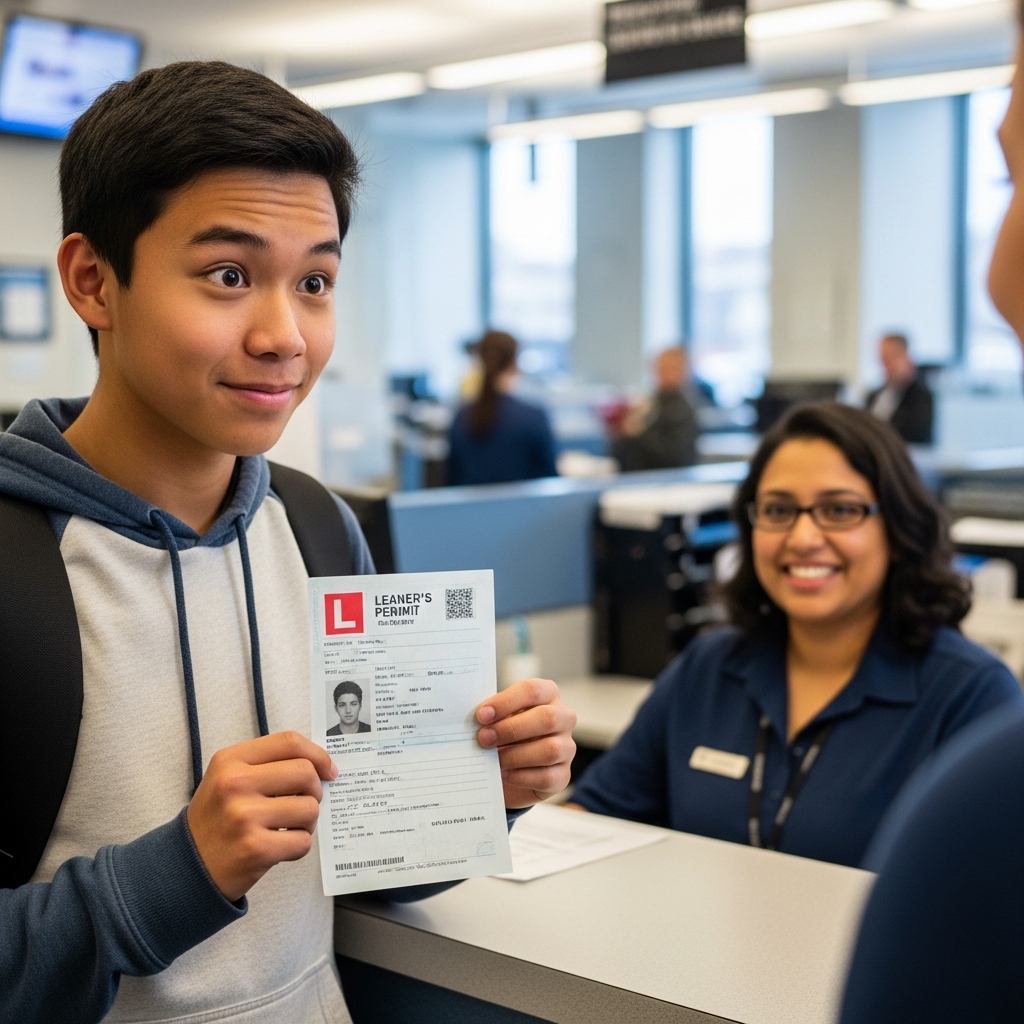
You’re sitting in your car outside the DMV, palms sweating despite the air conditioning running full blast. Your 5-hour pre-licensing course certificate is folded neatly in your wallet – you’ve checked it three times already – and you’ve been practicing parallel parking until your mom threatens to hide the car keys if you make her ride shotgun through one more cone drill.
But here’s the thing that’s eating at you: can you actually take your road test today? Tomorrow? Or do you have to wait some mysterious amount of time that nobody seems to agree on?
If you’ve found yourself frantically googling this question at 2 AM (we’ve all been there), you’re definitely not alone. It’s one of those surprisingly tricky pieces of the licensing puzzle that can turn what should be a straightforward process into… well, a bit of a headache.
The whole thing gets even more confusing when your friend swears they took their test the same day they finished their 5-hour course, but your cousin insists there’s a mandatory waiting period. Your driving instructor gives you one answer, the DMV website seems to suggest something different, and that guy at work who “knows everything about driving laws” throws out yet another timeline entirely.
Here’s what makes this particularly frustrating – and why getting the right answer matters so much more than you might think. You’ve already invested time and money in that 5-hour course (and let’s be honest, sitting through five hours of driving theory isn’t exactly anyone’s idea of a good time). You’ve been practicing, building up your confidence, getting comfortable behind the wheel. The last thing you want is to show up for your road test appointment only to be turned away because of some timing requirement you didn’t know about.
Or worse… you wait longer than necessary, letting your newfound skills get rusty while you could have been a licensed driver already. Every day you delay means another day of having to coordinate rides, missing out on job opportunities that require reliable transportation, or – if you’re a teenager – enduring the particular torture of having your parents drop you off at school while your friends cruise past in their own cars.
The stakes feel pretty high, don’t they? Especially when you consider that road test appointments can be surprisingly hard to come by in some areas. We’re talking weeks or even months of waiting in busy DMV locations. So if you miss your window because of a timing mixup, you might find yourself back at square one, watching that calendar stretch endlessly ahead of you.
But here’s where it gets interesting – and why this whole question isn’t quite as straightforward as it should be. Different states have different rules. Some locations are stricter about enforcement than others. And there are actually some legitimate reasons behind these timing requirements that have to do with making sure you’re genuinely prepared for the responsibility of driving.
You know that feeling when you learn something new and it feels exciting for about five minutes… then you realize you need to actually retain and apply that information? That’s essentially what these waiting periods are designed to address. The idea is that you need time to process what you learned in your 5-hour course and actually practice those concepts behind the wheel.
Which brings us to another layer of this whole thing – just because you *can* take your road test immediately doesn’t necessarily mean you *should*. I’ve seen plenty of eager new drivers rush into their test only to fail because they didn’t give themselves enough time to really internalize what they’d learned.
In this article, we’re going to sort through all the confusion and give you the real deal about timing your road test after completing your 5-hour course. We’ll break down the actual requirements by state (because yes, they vary more than you’d expect), help you figure out when you’re truly ready versus when you’re technically eligible, and share some insider tips about scheduling that could save you weeks of waiting.
Most importantly, we’ll help you create a realistic timeline that sets you up for success – not just compliance. Because ultimately, this isn’t just about checking boxes… it’s about becoming a confident, capable driver who’s ready to handle whatever the road throws at you.
What’s This 5-Hour Course All About, Anyway?
Look, I get it – when you hear “5-hour course,” your brain probably conjures up images of sitting in a stuffy classroom watching grainy videos about parallel parking. And honestly? You’re not entirely wrong. But here’s the thing – this course is actually your golden ticket to getting behind the wheel legally.
The 5-hour pre-licensing course (officially called the Pre-Licensing Course, if we’re being fancy) is New York State’s way of making sure you know the basics before you’re let loose on the roads. Think of it like… well, like learning to cook. You wouldn’t jump straight into making beef wellington without understanding what sautéing means, right? Same principle here.
During those five hours, you’ll cover everything from traffic signs to defensive driving techniques. Some of it’s common sense – red means stop, green means go. But other parts? They might surprise you. Did you know there are specific rules about how to handle a tire blowout that could literally save your life? Neither did I, until I took the course years ago.
The Paperwork Trail (Because There’s Always Paperwork)
Here’s where things get a bit bureaucratic – and I know, I know, nobody likes bureaucracy. But stick with me.
Once you complete your 5-hour course, your instructor will hand you a certificate. This isn’t just any piece of paper – it’s basically your permission slip for the road test. Without it, the DMV won’t even let you schedule your test. It’s like trying to board a plane without a boarding pass… just not happening.
Now, here’s something that trips people up constantly – and honestly, it used to confuse me too. That certificate has an expiration date. You’ve got one year from the date you completed the course to take your road test. After that? You’re back to square one, my friend. I’ve seen too many people find this out the hard way, showing up to their road test with an expired certificate and having to reschedule everything.
The Learning Permit Puzzle
Okay, this is where it gets a little tricky, and frankly, the DMV could do a better job explaining this part. You need your learner’s permit before you can even think about taking the road test. But – and here’s the kicker – you don’t need the 5-hour course to get your permit.
It’s like having all the ingredients for a recipe but needing to prep them in a specific order. You can get your permit first, then take the 5-hour course. Or you can take the course first, then get your permit. Either way works, but you need both before that road test happens.
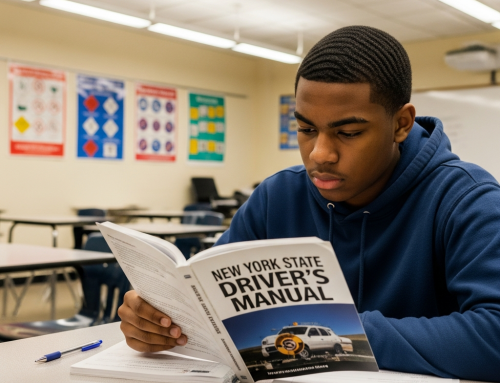
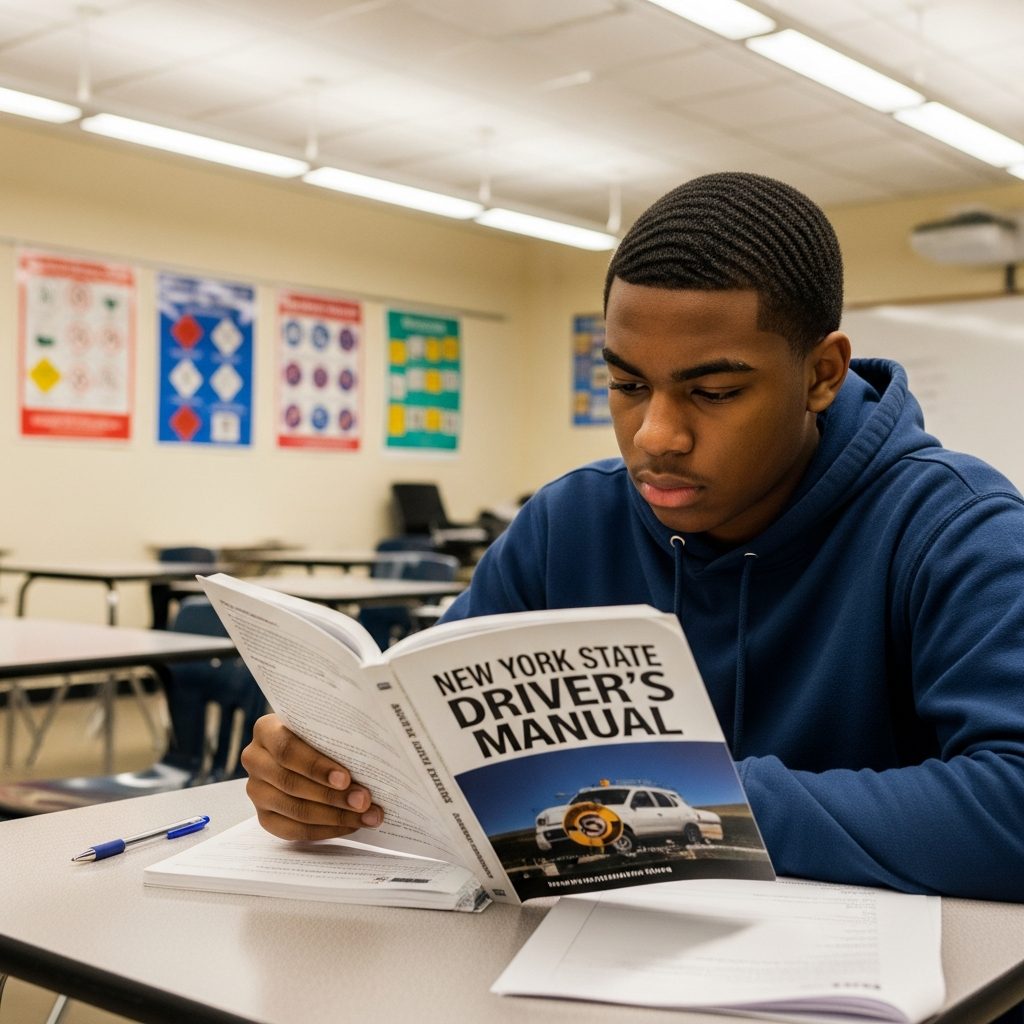
The permit itself requires passing a written test about traffic laws and signs. Most people find it pretty straightforward if they’ve studied the driver’s manual. Though between you and me, some of those questions about exact stopping distances feel a bit like memorizing random trivia…
Practice Makes… Well, Less Terrifying
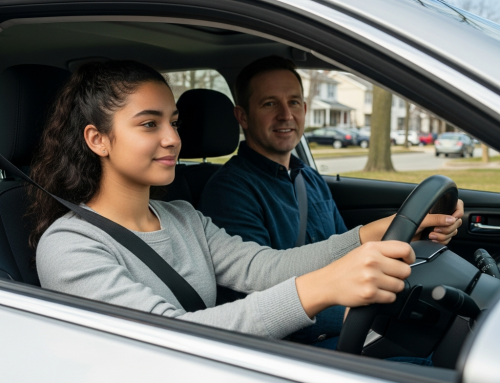
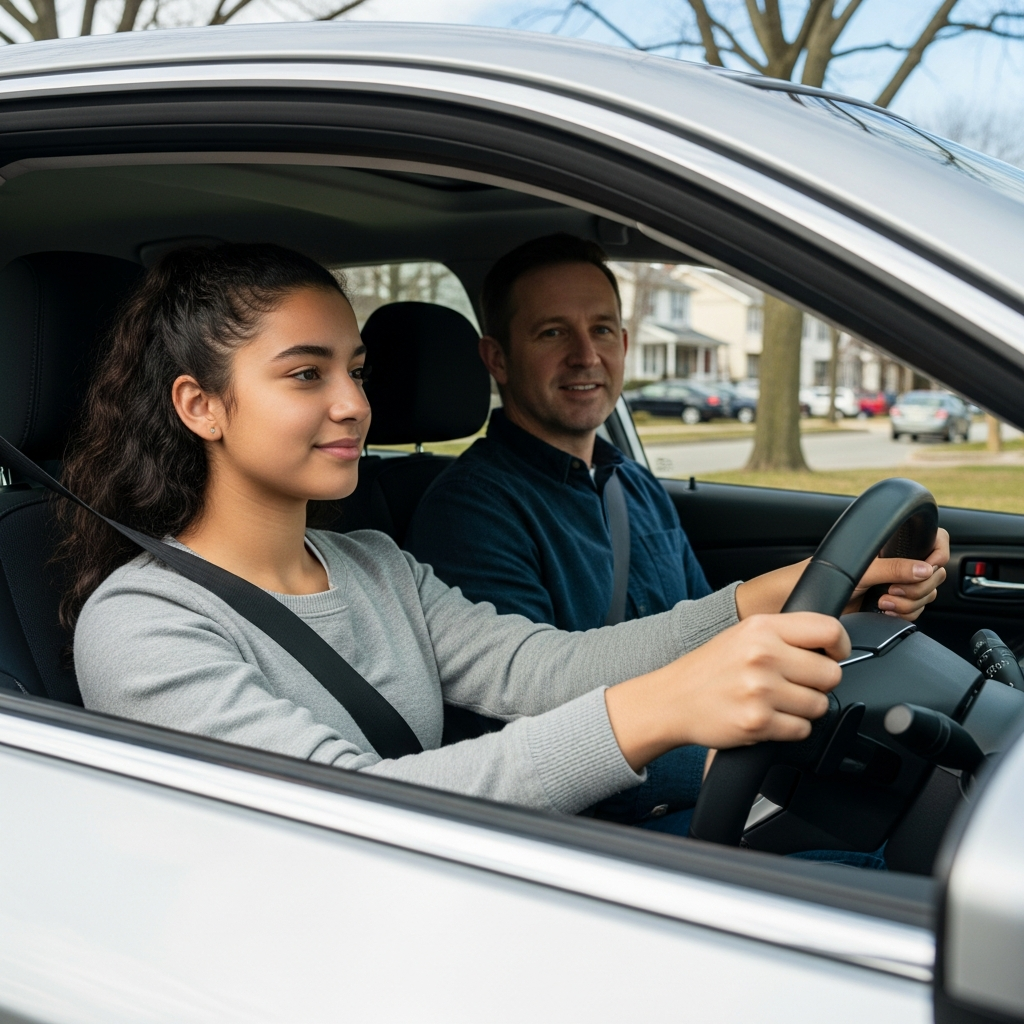
Here’s something nobody really talks about enough – you’re going to need practice time behind the wheel. Like, actual practice. Not just that one time your cousin let you drive around the mall parking lot.
New York requires you to have your permit for at least six months before taking the road test if you’re under 18. If you’re 18 or older, technically there’s no mandatory waiting period, but… and this is important… you still need to be comfortable driving. The road test isn’t just about following rules – it’s about showing you can handle a car safely in real-world conditions.
Think of it like learning to ride a bike. Someone can explain the physics of balance and momentum all day long, but until you’ve actually felt what it’s like to wobble and correct yourself, you’re not really ready to cruise down the street.
The Real Timeline Reality Check
So when can you actually take that road test? The technical answer is: as soon as you have both your permit and that 5-hour course certificate. But the practical answer? When you’re genuinely ready to pass.
I’ve seen people rush through everything and fail their road test three or four times. Others take their time, practice consistently, and nail it on the first try. Guess which approach is less stressful – and less expensive – in the long run?
Getting Your Paperwork in Order First
Here’s something they don’t always tell you upfront – you can’t just waltz into the DMV with your 5-hour course certificate and expect to take the road test that same day. Trust me, I learned this the hard way when I accompanied my nephew to what we thought would be his big moment.
You’ll need to schedule your road test appointment first, and depending on where you live, that could mean waiting anywhere from a few days to several weeks. The certificate from your 5-hour course is valid for one year, so you’ve got breathing room… but don’t let that fool you into procrastinating.
Make sure you’ve got your learner’s permit, the 5-hour course completion certificate (keep it pristine – no coffee stains!), and proof you’ve held your permit for at least six months. Some DMV offices are sticklers about this timing requirement.
The Sweet Spot for Scheduling
Most driving instructors I’ve chatted with suggest waiting about a week after completing your 5-hour course before taking the road test. Not because there’s a legal waiting period – there isn’t one in most states – but because you need time to digest what you learned.
Think of it like this: the 5-hour course is like cramming for a test, but actual driving? That’s the real exam. You want those defensive driving techniques and hazard recognition skills to marinate a bit in your brain before you’re behind the wheel with a stranger holding a clipboard.
That said, if you’ve been practicing consistently with a parent or driving instructor and you feel genuinely confident (not just “I think I’m ready” confident, but “I could parallel park in my sleep” confident), you might be ready sooner.
Practice Makes… Well, Not Perfect, But Passable
Between your 5-hour course and road test, get in as much real-world practice as possible. And I mean *real* practice – not just cruising around empty parking lots.
Hit up the actual roads where you’ll likely take your test. Every DMV has its quirks… some love to test three-point turns on busy streets, others are obsessed with making you navigate school zones. Call the DMV office and ask (nicely) if they can give you any hints about the typical test route. You’d be surprised how helpful they can be.
Practice parallel parking until you can do it without breaking a sweat. Seriously, this one skill has probably failed more road tests than any other maneuver. Find two orange cones (or borrow your neighbor’s trash cans – just ask first) and set them up 25 feet apart. Practice until you can slide between them smoothly.
What Really Happens on Test Day
Here’s the inside scoop: road test examiners aren’t trying to trick you or make you fail. They’re mostly looking for safe, confident driving. But they do have specific things they *must* check off their list.
The automatic failures? Rolling through stop signs, not checking blind spots before changing lanes, going significantly over or under the speed limit, and – this one catches people off guard – not coming to a complete stop before turning right on red.
They’re also watching how you handle your nerves. Take a few deep breaths before starting the car. Adjust your mirrors (even if they don’t need adjusting) – it shows you’re methodical. And for the love of all that’s holy, put your phone in airplane mode. Nothing says “I’m not ready” like getting a text notification mid-three-point-turn.
Last-Minute Prep That Actually Works
The night before your test, don’t cram or practice new skills. Instead, get a good night’s sleep and review the basics. Go through the hand signals (yes, they still test these sometimes), brush up on right-of-way rules, and maybe flip through your 5-hour course materials one more time.
On test day, arrive early but not *too* early – sitting in the DMV parking lot for 45 minutes will just amp up your anxiety. Bring a licensed driver over 21 to drive you there and potentially drive your car home if… well, let’s think positive thoughts.
Wear comfortable shoes you can actually feel the pedals in. I’ve seen people show up in flip-flops or brand new boots and struggle with basic gas-and-brake coordination.
One final tip that sounds silly but works: practice your pre-drive routine at home. Seat adjustment, mirror check, seatbelt, parking brake off – make it muscle memory. When you’re nervous, having a routine to fall back on can be surprisingly calming.
The road test isn’t about being perfect; it’s about proving you can drive safely. You’ve got this.
The Reality Check: What Actually Goes Wrong
Let’s be honest – you’re probably not going to nail your road test just because you sat through five hours of classroom instruction. I know, I know… that’s not what anyone wants to hear after investing time and money in the course. But here’s the thing: knowing the rules and actually executing them under pressure? That’s like the difference between reading a recipe and cooking a perfect soufflé while your in-laws watch.
The pre-licensing course covers the basics – traffic laws, sign recognition, safe following distances. What it doesn’t prepare you for is the sweaty palms when the examiner climbs into your passenger seat, or that moment when you completely blank on whether you’re supposed to signal before or after checking your mirrors (it’s before, by the way).
The Parallel Parking Panic
Oh, parallel parking. The nemesis of new drivers everywhere. You can practice this maneuver a hundred times in an empty parking lot, but when you’re asked to squeeze between two cars on test day… well, that’s when things get interesting.
Here’s what actually helps: find a residential street with legal parking spots and practice there. Not in a parking lot with cones – those don’t fight back when you bump them. Real cars do. Start with generous spaces, then gradually work your way down to tighter spots. And honestly? If you can parallel park a slightly larger vehicle than what you’ll test in, the actual test car will feel like driving a toy.
The examiner isn’t looking for perfection here – they want to see that you can get the car safely into the space without causing property damage or holding up traffic for twenty minutes.
Intersection Anxiety and the Four-Way Stop Shuffle
Four-way stops seem simple in theory. First to arrive goes first, right turns have right-of-way, all that good stuff. But in practice? It’s like an awkward dance where everyone’s trying to figure out who leads.
The course teaches you the rules, but it doesn’t prepare you for real-world scenarios… like when two cars arrive simultaneously, or when someone waves you through even though it’s technically their turn. During your test, stick to the actual rules – don’t follow the “polite” driver who’s gesturing for you to go when you shouldn’t. The examiner wants to see that you know proper right-of-way, not that you’re good at reading social cues.
Practice at actual four-way stops during off-peak hours. Notice I said practice, not just observe. There’s something about being behind the wheel that makes your brain work differently than when you’re a passenger.
The Highway Merge Meltdown
Merging onto highways terrifies a lot of new drivers, and rightfully so. You’re trying to match the speed of traffic that might be going 70+ mph while finding a gap that seems impossibly small. The pre-licensing course explains the concept, but experiencing it? That’s entirely different.
Start small. Practice on highway on-ramps during lighter traffic times – early morning or mid-afternoon work well. Don’t jump straight into rush hour chaos. Work your way up gradually, like training for a marathon instead of sprinting a 5K on day one.
The key is commitment. Once you start your merge, follow through. Hesitation in the acceleration lane is more dangerous than being slightly aggressive. And remember – other drivers expect you to merge; they’re not personally offended by your presence on their highway.
Managing Test Day Nerves
Here’s something the course definitely doesn’t cover: how to function when your nervous system is in full revolt. Some people get test anxiety so badly that they forget basic things like… how to start the car. (It happens more than you’d think.)
The best solution isn’t meditation or breathing exercises – though those don’t hurt. It’s overpreparing until the basic maneuvers become automatic. When you’re nervous, you fall back on muscle memory. If you haven’t built that memory through repetition, you’re relying on conscious thought… which tends to abandon ship right when you need it most.
Schedule your test for a time when you typically feel most alert. If you’re not a morning person, don’t book the 8 AM slot thinking you’ll just power through. Set yourself up to succeed.
And here’s a practical tip: do a practice run of the actual test route if possible. Many DMV locations use similar routes repeatedly. Local driving instructors often know these routes well – it might be worth a lesson or two just to familiarize yourself with the area.
What Actually Happens Next – The Real Timeline
Here’s the thing about expectations – most people think they’ll breeze through everything once that 5-hour course certificate is in their hands. And honestly? That’s… not usually how it works.
The reality is that while you *can* technically schedule your road test right after completing the pre-licensing course, whether you *should* is a completely different question. Think of it like this: just because you can jump into the deep end of a pool doesn’t mean you’re ready to swim laps, you know?
Most driving instructors – the ones who’ve seen hundreds of nervous teenagers and anxious adults fumble through three-point turns – will tell you the same thing. Give yourself at least 2-3 weeks of actual behind-the-wheel practice before booking that road test. Some people need more time. Some (the lucky few) might be ready sooner. But that 2-3 week window? That’s where most successful test-takers land.
The Practice Phase Everyone Underestimates
This is where things get real. You’ve got your learner’s permit, you’ve survived the 5-hour course (congratulations, by the way), and now comes the part that actually determines whether you’ll pass or fail… the practice driving.
And here’s what nobody tells you – those first few times behind the wheel are going to feel overwhelming. Your instructor probably mentioned this, but experiencing it yourself is different. Suddenly you’re trying to remember which pedal is which while also checking mirrors, signaling, and not hitting anything. It’s like trying to pat your head and rub your stomach while juggling… except the stakes are higher.
Most people need anywhere from 10-20 hours of supervised practice driving. Some need more – especially if you’re an adult learner who’s been a passenger for decades. Your brain has to rewire itself, and that takes time. There’s no shame in needing extra practice. Actually, the people who rush through this phase? They’re usually the ones retaking their road test.
Scheduling Your Road Test – The Strategic Approach
Once you feel genuinely comfortable behind the wheel (not just “I think I can do this” but actually comfortable), then it’s time to think about scheduling. And here’s a pro tip that might save you some stress – don’t schedule for the earliest available slot unless you’re absolutely certain you’re ready.
Most DMV offices are booking road tests 2-4 weeks out anyway, which actually works in your favor. It gives you a target date and enough time to really nail down those parallel parking skills… because yes, they probably will test you on that.
When you do schedule, consider the time of day. Mid-morning appointments (around 10 AM) tend to work well – traffic isn’t too crazy, you’re not rushing to get there before work, and you’ve had time to wake up and shake off any morning grogginess.
The Week Before Your Test – Final Preparations
This is when things get interesting. Some people go into overdrive, practicing constantly and psyching themselves out. Others barely touch the steering wheel, figuring they’re “good enough.” Neither approach is ideal.
The sweet spot? Practice a few times that week, but focus on the specific skills that’ll be tested. Review the route around your testing location if possible – not to memorize it, but to get comfortable with the area. Some DMV locations have tricky intersections or confusing lane markings that can throw you off if you’ve never seen them before.
And here’s something that might sound counterintuitive – take the day before your test off from practicing. Seriously. You either know how to drive by then or you don’t, and cramming won’t help. What will help is getting a good night’s sleep and showing up calm.
Managing the “What If I Fail?” Worry
Let’s address the elephant in the room – failing happens. Even to good drivers. Sometimes you’ll get an examiner having a rough day, sometimes you’ll make a silly mistake because you’re nervous, and sometimes… well, sometimes you just aren’t quite ready yet.
If you do need to retake the test, it’s not the end of the world. Most states let you reschedule pretty quickly (usually within a week or two), and honestly? The second time around is often easier because you know what to expect.
The key is being honest with yourself about your readiness. If you’re still stalling at stop signs or your parallel parking looks like abstract art, maybe give yourself another week or two. Your future self will thank you.
Ready to Hit the Road? You’ve Got This
Look, I know this whole process can feel overwhelming at times. One minute you’re sitting through those five hours of pre-licensing education, wondering if you’ll ever actually get behind the wheel… and the next, you’re trying to figure out when you can schedule that road test that’s been keeping you up at night.
Here’s what I want you to remember – and this is important – you’re already doing something incredible. You’ve committed to learning, to following the process, to becoming a safer driver. That matters more than you might realize right now.
The timeline we’ve talked about isn’t set in stone just to make your life complicated (though I know it sometimes feels that way). Whether it’s the immediate scheduling option in some states or that 30-day waiting period in others, these requirements exist because driving safely takes time to develop. It’s like learning to cook… you can memorize every recipe in the world, but you need practice to know when the onions are perfectly caramelized or how to adjust when something’s not quite right.
And honestly? Most people benefit from that waiting period, even when they don’t think they will. I’ve seen so many students who felt “ready” right after their course, only to realize during their practice sessions that there were gaps they hadn’t noticed. Maybe it was parallel parking (ugh, we’ve all been there), or getting comfortable with highway merging, or just building the confidence that comes with repetition.
But here’s the thing – you don’t have to figure this all out alone. Whether you’re dealing with conflicting information online, feeling anxious about the actual test, or just want someone to walk you through your state’s specific requirements… that’s exactly what we’re here for.
Actually, that reminds me of something one of our students told me last week. She said the most helpful part of working with us wasn’t just the driving instruction – it was having someone who understood the whole process, someone who could answer those random questions that pop up at 11 PM when you’re lying in bed thinking about everything that could go wrong during your test.
We get it. We’ve helped hundreds of people navigate these exact same concerns, these same timelines, these same moments of “Wait, what do I do next?” And you know what? Every single one of them figured it out. Some took the test right away, others needed more practice time, and that’s completely normal.
The bottom line is this: your timeline is your timeline. Don’t let anyone rush you, but don’t let fear hold you back either. When you feel ready – truly ready – that’s when you’ll know it’s time.
If you’re feeling stuck, confused, or just want to talk through your specific situation with someone who actually knows what they’re talking about… we’re here. No pressure, no sales pitch – just real guidance from people who genuinely want to see you succeed. Sometimes a quick conversation can clear up weeks of worry and uncertainty.
You’re closer than you think to having that license in your hand. And when that moment comes? It’s going to feel amazing.